Category: Healthcare

  • How to Choose the Best Trans Friendly Therapist (Compared)

    How to Choose the Best Trans Friendly Therapist (Compared)

    Let’s be real: finding a therapist is hard enough. Finding a trans friendly therapist? That can feel like searching for a needle in a haystack while also hoping that needle won’t accidentally misgender you.

    Your mental health matters, and you deserve a therapist who actually gets it, someone who won’t make you spend your precious therapy time educating them about what it means to be trans. You’re there to heal, grow, and work through life’s challenges, not to be someone’s learning experience.

    So how do you find a therapist who’s genuinely affirming? We’re breaking down the different ways to search, what credentials actually matter, and the exact questions you should ask before committing. Let’s dive in.

    Why Finding the Right Therapist Matters Even More for Trans Folks

    Here’s the thing: therapy is deeply personal for everyone. But for trans and gender non-conforming individuals, there’s an extra layer of vulnerability involved. You need someone who understands gender dysphoria, respects your identity without question, and creates a space where you can focus on your stuff, not constantly explaining Trans 101.

    A therapist who isn’t educated on trans issues can unintentionally cause harm. Even well-meaning therapists might use outdated language, make assumptions, or simply not understand the specific challenges you face. And honestly? You shouldn’t have to gamble with your mental health.

    The good news is that trans-competent therapists are out there. You just need to know where to look and what to look for.

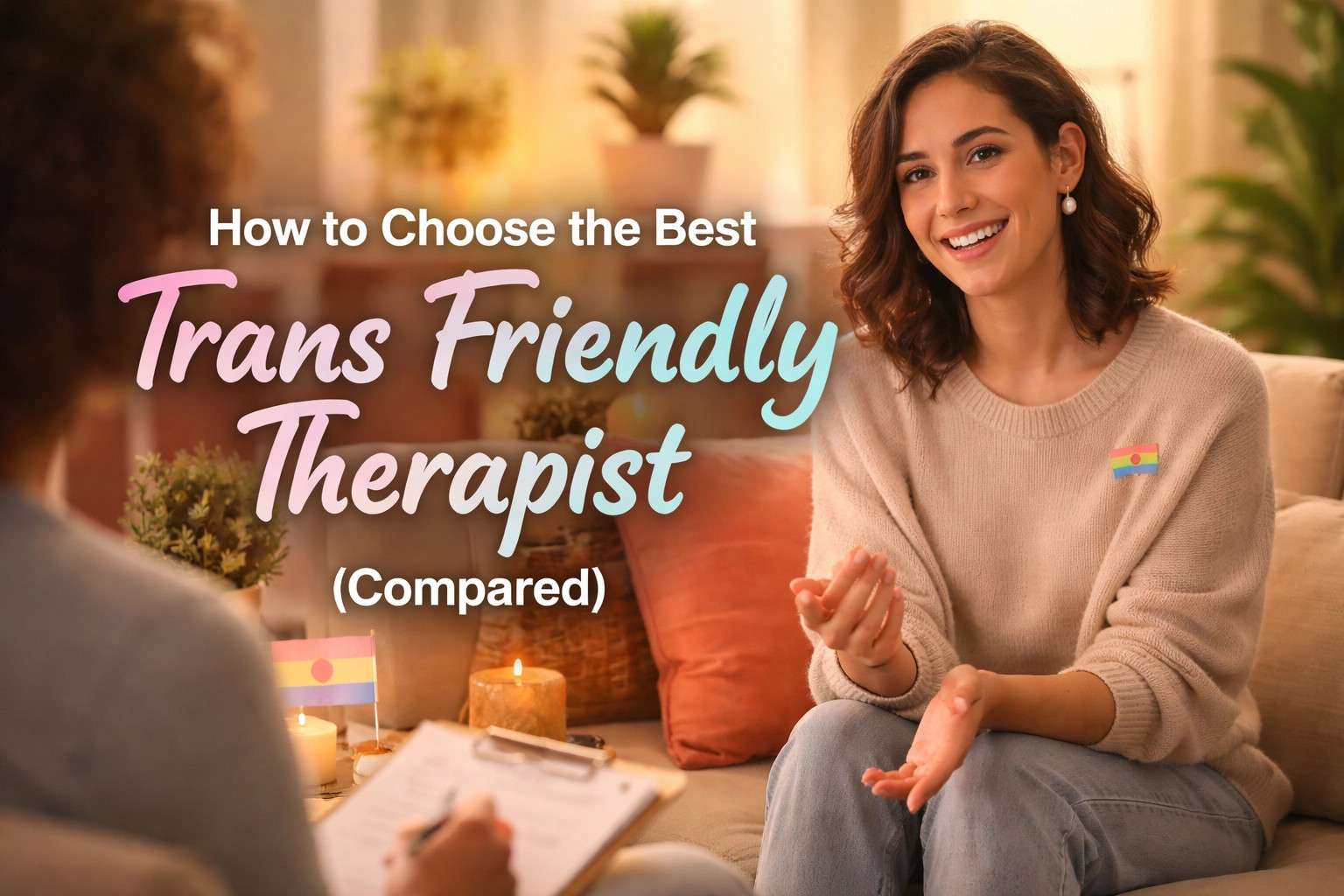
    A cozy therapy office with warm lighting and comfortable seating, highlighting a safe trans friendly therapist environment.

    Comparing Your Options: How to Actually Find a Trans Friendly Therapist

    Not all search methods are created equal. Let’s compare the three main ways people typically find therapists and weigh the pros and cons of each.

    Option 1: Word of Mouth

    How it works: You ask friends, community members, or online groups for recommendations.

    Pros:

    • Personal recommendations from people who share similar experiences
    • You get honest feedback about what the therapist is actually like
    • Built-in trust factor, if someone you know had a good experience, that’s reassuring

    Cons:

    • Limited to your existing network
    • What works for one person might not work for you
    • Not everyone is comfortable asking around about their mental health needs
    • Geographic limitations if your community is small

    Word of mouth can be golden, especially within trans communities. If you’re part of local LGBTQ+ groups or online spaces, don’t be afraid to ask. People are usually happy to share their experiences.

    Option 2: General Therapy Directories

    How it works: Websites like Psychology Today let you filter by location, insurance, and issues like “Transgender.”

    Pros:

    • Large database of therapists
    • Filter options help narrow down results
    • You can read bios and see photos before reaching out

    Cons:

    • Anyone can check a box saying they work with trans clients, but that doesn’t mean they’re actually competent
    • You still have to do significant vetting
    • Listings can be outdated or vague about actual experience
    • The sheer number of options can be overwhelming

    General directories are a starting point, but they require extra homework. A therapist listing “transgender” as an issue they treat doesn’t guarantee they’ve had proper training or even worked with trans clients before.

    Option 3: Specialized LGBTQ+ Directories

    How it works: You use an inclusive business directory specifically designed to connect you with LGBTQ+-affirming providers.

    Pros:

    • Curated listings focused on affirming care
    • Higher likelihood of finding genuinely competent providers
    • Often includes reviews from community members
    • Saves time by filtering out non-affirming options from the start

    Cons:

    • Smaller pool of listings (though this is growing!)
    • May not have as many options in rural areas yet

    Using an inclusive business directory like Trans Friendly Shops takes a lot of the guesswork out of the equation. When a directory is specifically built to highlight lgbtq friendly businesses, you’re starting from a much better foundation.

    A person browsing a therapist directory on a smartphone at a sunny café, searching for trans friendly therapists.

    What Credentials and Qualifications Actually Matter

    Okay, so you’ve found some potential therapists. Now what? Here’s what to look for in their profiles and bios:

    WPATH Certification

    The World Professional Association for Transgender Health (WPATH) provides training and certification specifically for providers working with trans clients. If a therapist has this credential, it’s a strong signal they’ve invested in understanding transgender health.

    Pronouns Listed

    It might seem small, but a therapist who lists their pronouns in their bio is signaling awareness and intentionality. It shows they’re thinking about these things.

    Specific Specializations

    Look for therapists who explicitly mention working with:

    • Transgender and gender non-conforming (TGNC) individuals
    • Gender identity exploration
    • Gender dysphoria
    • LGBTQ+ communities

    Training Beyond the Basics

    General mental health training doesn’t cover trans-specific issues in depth. Ask about or look for mention of additional training in transgender health and gender-affirming care.

    Questions to Ask During Your First Consultation

    Most therapists offer a free consultation call: use it! This is your chance to interview them and see if they’re actually a good fit. Here are the questions that matter:

    About their experience:

    • “What’s your experience working with trans clients specifically?”
    • “Do you currently have other trans clients?”
    • “What training have you completed related to transgender health?”

    About their approach:

    • “How do you approach gender dysphoria in your practice?”
    • “What would you do if I shared something about my identity or experience that you weren’t familiar with?”

    About their support system:

    • “Are you in supervision, and does your supervisor understand trans identity?”

    Two people in a welcoming therapy consultation room, emphasizing affirming care with a trans friendly therapist.

    A competent therapist will answer these questions openly and without getting defensive. If someone seems uncomfortable or gives vague answers, that’s useful information.

    Green Flags and Red Flags to Watch For

    Green Flags 🟢

    • They use your correct name and pronouns immediately and consistently
    • They ask thoughtful questions without making you feel like a teaching tool
    • They demonstrate understanding of intersectionality (how race, culture, disability, etc. intersect with gender identity)
    • They validate your gender without requiring “proof” or extensive explanation
    • They’re actively doing work to support trans clients outside of sessions (community involvement, ongoing education)
    • They might be LGBTQ+ themselves (though this isn’t required: plenty of cis allies are excellent)

    Red Flags 🔴

    • They misgender you and don’t correct themselves
    • They seem to need education on basic trans concepts
    • They focus excessively on your gender when you’re there for other issues
    • They express outdated views or use clinical language that feels pathologizing
    • They’re defensive when you ask about their experience
    • You feel like you’re educating them during your session

    It’s Okay to “Therapist Shop”

    Here’s something important: the first therapist you try doesn’t have to be the therapist. Most mental health professionals agree that the first few sessions are an evaluation period: and you should treat them that way too.

    If something feels off, if the fit isn’t right, or if you just don’t click, it’s completely okay to move on. There’s no shame in therapist shopping. Your mental health journey is too important to settle for someone who isn’t right for you.

    Finding Your Person

    Choosing a trans friendly therapist takes a little extra effort, but it’s worth it. You deserve someone who sees you fully, respects your identity without question, and helps you focus on what you actually came to therapy for.

    Start with trusted resources: whether that’s community recommendations, specialized directories like Trans Friendly Shops, or a combination of approaches. Vet your options carefully. Ask the hard questions upfront. And trust your gut.

    The right therapist is out there. And when you find them? It makes all the difference.
  • Looking For Gender Affirming Healthcare Near Me? Here Are 10 Things You Should Know

    Looking For Gender Affirming Healthcare Near Me? Here Are 10 Things You Should Know

    Searching for “gender affirming healthcare near me” can feel overwhelming. Maybe you’ve typed those words into Google a dozen times, scrolled through generic results, and still walked away unsure of where to start. You’re not alone, and honestly, you deserve better than that.

    Finding healthcare providers who truly understand and affirm your identity shouldn’t feel like searching for a needle in a haystack. Whether you’re just starting to explore your options or you’ve been on this journey for a while, there are some important things worth knowing before you book that first appointment.

    So let’s break it down together. Here are 10 things you should know when looking for gender affirming healthcare.

    1. Gender Affirming Care Is About Way More Than Hormones

    When people hear “gender affirming healthcare,” they often think it’s just about hormone replacement therapy (HRT). And while HRT is definitely a big part of it for many folks, gender affirming care is actually a whole umbrella of services.

    We’re talking mental health support, reproductive counseling, period management, preventive screenings, surgical referrals, and even help with documentation like legal name and gender marker changes. A good provider will meet you where you are, not push you toward any specific path.

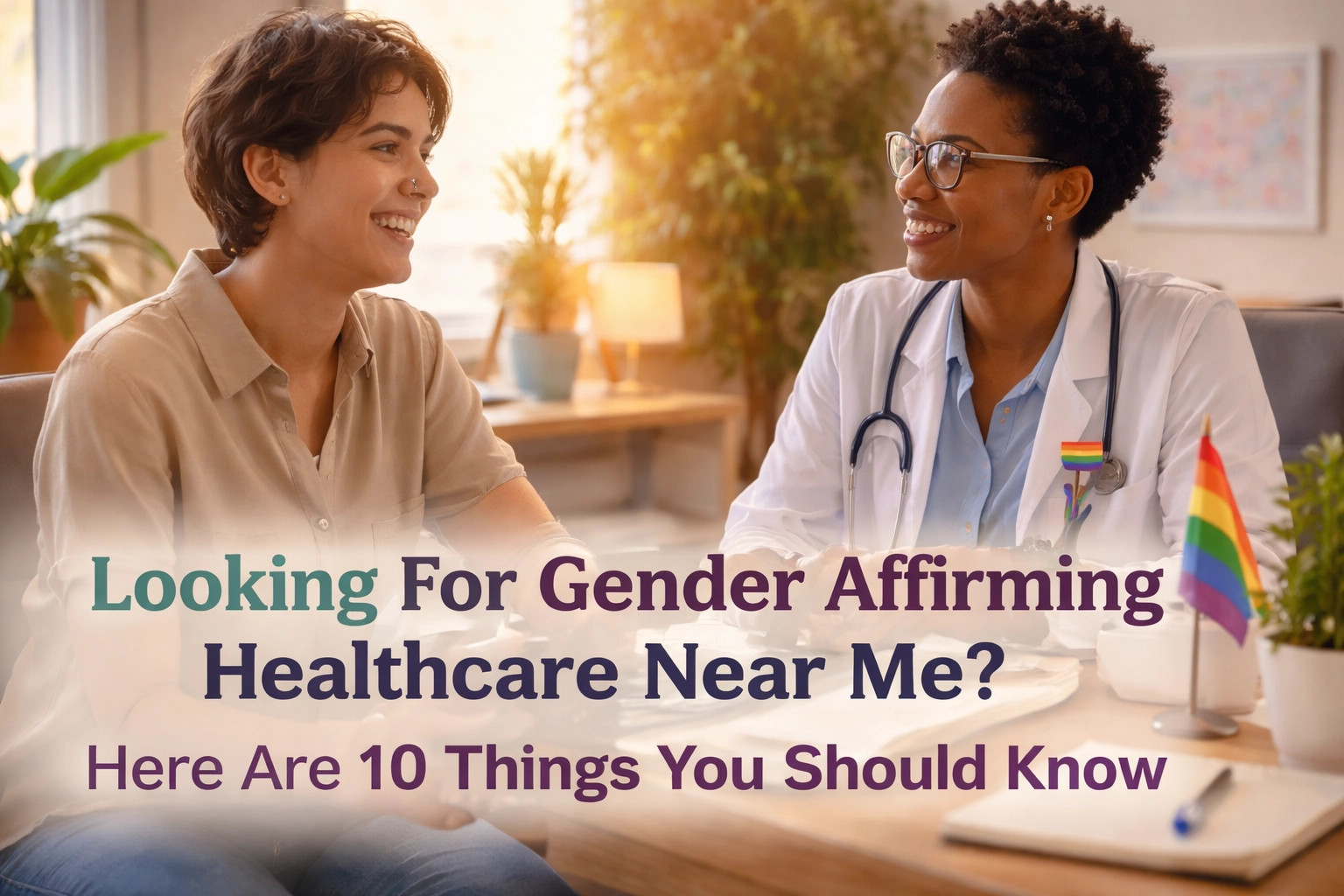
    Inclusive medical consultation room with a transgender patient and supportive doctor, representing gender affirming healthcare near me.

    2. Not Every “LGBTQ-Friendly” Provider Is Actually Trans-Competent

    Here’s the thing: a rainbow flag in the window doesn’t automatically mean a provider knows how to care for trans patients. Some clinics may be well-meaning but lack the training or experience to offer truly affirming care.

    Look for providers who specifically mention experience with transgender healthcare, follow established guidelines (like WPATH standards), and have staff trained in gender-inclusive practices. It’s okay to ask questions before committing, your comfort matters.

    3. Use LGBTQ Business Directories to Find Verified Providers

    One of the easiest ways to find trans friendly businesses and healthcare providers is through a dedicated LGBTQ business directory. These directories vet listings and allow you to filter by location, services, and specialties.

    At Trans Friendly Shops, we’re building a growing list of affirming businesses across different categories, including healthcare, services, and more. It takes the guesswork out of finding providers who actually get it.

    4. Many Providers Require a Therapist Letter Before Starting HRT

    If you’re looking to start hormone therapy, heads up: many providers still require a letter of support from a therapist experienced in transgender care before prescribing hormones. This isn’t meant to gatekeep, it’s typically part of following evidence-based guidelines and ensuring you have mental health support in place.

    Some clinics use an informed consent model, which can be faster and involves fewer steps. It’s worth researching which approach a provider uses so you know what to expect going in.

    Close-up of a therapist handing a support letter to a trans patient in a friendly office, crucial for starting gender affirming care.

    5. Telehealth Has Made Access Easier (But It’s Not Perfect)

    The rise of telehealth has been a game-changer for trans folks in rural areas or places with limited affirming providers. You can now connect with specialists who might be hundreds of miles away, right from your couch.

    That said, telehealth isn’t a perfect solution. Some services (like certain exams or lab work) still require in-person visits. And depending on your state’s laws, there may be restrictions on prescribing across state lines. It’s worth asking about telehealth options, but also planning for what can’t be done remotely.

    6. A Truly Affirming Clinic Will Respect Your Name and Pronouns

    This one sounds basic, but it’s huge. An affirming healthcare environment should document and use your preferred name and pronouns, period. From the front desk to the exam room, you deserve to be seen and addressed correctly.

    If a clinic consistently misgenders you or makes you feel like you have to explain yourself every visit, that’s a red flag. Your healthcare experience should feel safe, not exhausting.

    7. Ask About Additional Support Services

    Great gender affirming care goes beyond medical treatment. Some clinics offer wraparound services like transportation assistance, financial aid resources, food assistance connections, and community support groups.

    When you’re researching providers, it doesn’t hurt to ask: “What other resources do you offer?” You might be surprised at the additional support available, and these extras can make a real difference during your transition.

    Diverse community support group meeting in a welcoming center, highlighting resources offered by trans friendly healthcare businesses.

    8. Privacy and Discretion Matter

    Let’s be real, not everyone is out, and that’s totally valid. When searching for gender affirming healthcare near me, consider how a clinic handles privacy. Do they have private waiting areas? Are they careful about what shows up on insurance statements or in patient portals?

    A good provider will understand the importance of discretion and have policies in place to protect your information. Don’t be afraid to ask about this upfront.

    9. It’s Okay to Shop Around

    Finding the right healthcare provider is kind of like dating, sometimes you don’t click with the first one, and that’s okay. You’re allowed to schedule consultations with multiple providers, ask questions, and see who feels like the best fit.

    Trust your gut. If something feels off or a provider seems dismissive, you don’t owe them your business. Your health and wellbeing are too important to settle for less-than-great care.

    10. Community Recommendations Are Gold

    Honestly, some of the best referrals come from other trans folks who’ve been through the process. Online forums, local support groups, and LGBTQ community centers can be incredible resources for finding providers who are the real deal.

    And that’s exactly why directories like Trans Friendly Shops exist, to collect and share that community knowledge so you don’t have to start from scratch. If you’ve found an amazing provider, consider adding them to our directory to help others in the community.

    The Bottom Line

    Searching for gender affirming healthcare near me doesn’t have to feel like an impossible task. Yes, there are hoops to jump through and questions to ask: but with the right resources and a little patience, you can find providers who truly see you.

    Remember: you deserve healthcare that affirms who you are. You deserve providers who respect your name, your pronouns, and your journey. And you deserve to walk into an appointment without bracing yourself for awkward explanations or microaggressions.

    We’re here to help make that search a little easier. Browse our directory of trans friendly businesses to find affirming providers, shops, and services in your area. And if you know of a business that belongs on our list, we’d love for you to share it with the community.

    You’ve got this; and we’ve got your back. 💜