Category: Beauty

  • Trans-Friendly Financial Planning: Banks and Services That Get It

    Trans-Friendly Financial Planning: Banks and Services That Get It

    Let's be real: managing money is stressful enough without having to explain your identity every time you walk into a bank. For trans folks, something as simple as depositing a check or applying for a loan can turn into an exhausting: and sometimes humiliating: experience.

    Here's the thing: transgender individuals are more than twice as likely to experience discrimination in the financial system compared to other LGBTQ+ people. That's not just frustrating: it's a barrier to building the financial stability everyone deserves.

    The good news? There are banks, credit unions, and financial services out there that actually get it. And we're here to help you find them.

    Why Trans-Friendly Financial Services Matter

    You might be thinking, "It's just a bank account. How hard can it be?" But for many trans people, interacting with financial institutions means navigating a minefield of deadnames, misgendering, and policies that weren't built with us in mind.

    Picture this: You're at the bank trying to cash a check, but your ID still has your old name on it. Or maybe you're applying for a credit card and there's no option that reflects who you actually are. These moments aren't just inconvenient: they can be genuinely distressing and, in some cases, prevent people from accessing essential financial services altogether.

    That's why finding trans friendly services isn't a luxury. It's a necessity.

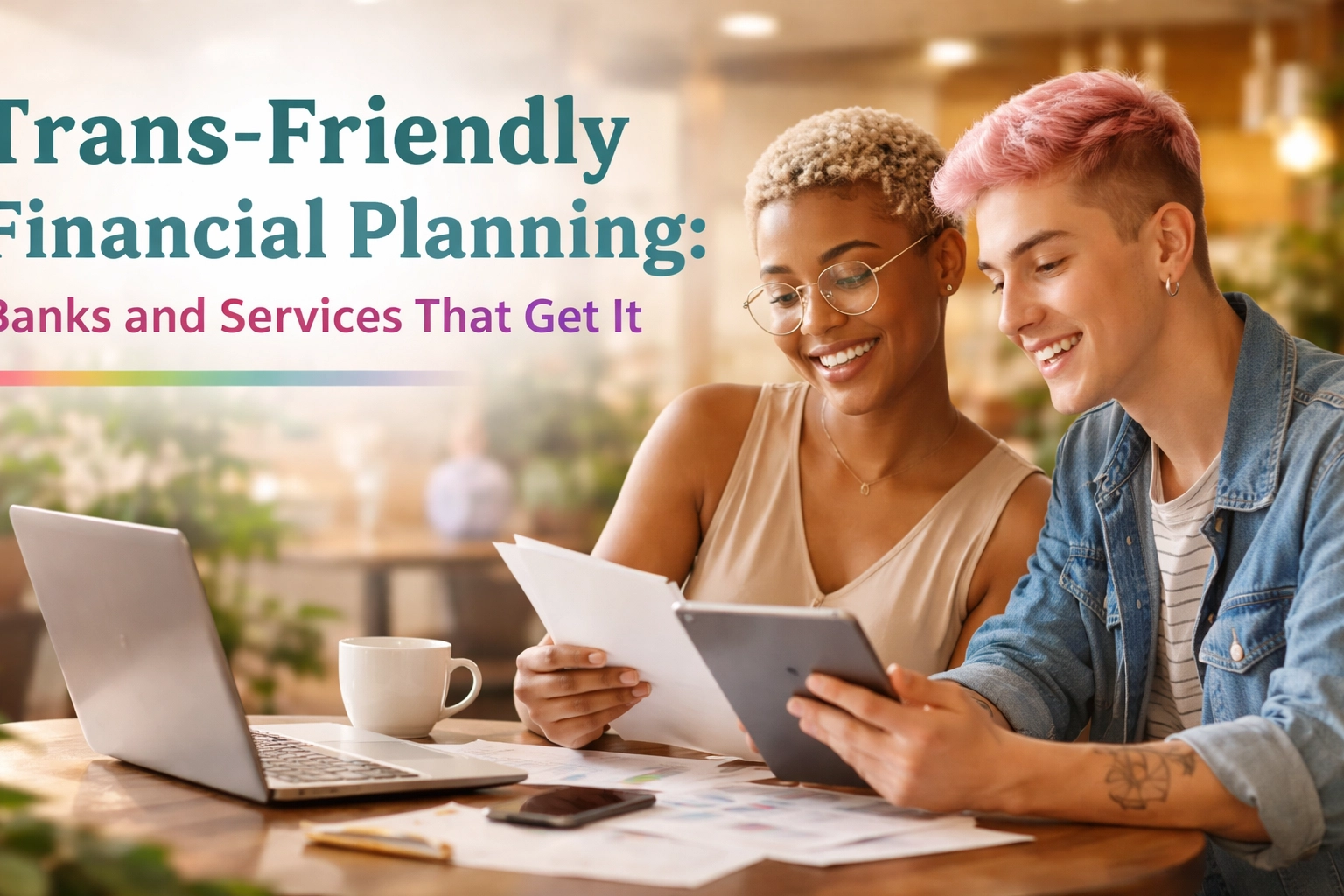
    Trans person facing paperwork challenges with financial documents at a welcoming cafe, highlighting trans friendly services.

    The Challenges Trans People Face with Financial Services

    Before we dive into solutions, let's acknowledge the real obstacles many in our community encounter:

    The Name Game

    Legal name changes are expensive, time-consuming, and not always accessible depending on where you live. But most banks tie everything: your account, your cards, your loan applications: to your legal name. This means constantly seeing (and being called by) a name that doesn't represent who you are.

    Documentation Headaches

    Updating your name and gender marker across all your financial accounts is a marathon, not a sprint. Each institution has different requirements, different forms, and different levels of understanding. Some make it easy. Others? Not so much.

    Finding Knowledgeable Advisors

    Financial planning for trans people often involves unique considerations: budgeting for hormone therapy, saving for surgeries, navigating insurance gaps, and planning for chosen family structures. Many traditional financial advisors simply aren't equipped to understand or address these needs.

    Discrimination in Lending

    Studies show that LGBTQ+ individuals, and trans people in particular, face higher rates of discrimination when applying for loans or mortgages. This can affect everything from buying a car to purchasing a home.

    What to Look for in Trans-Friendly Financial Institutions

    Not all banks are created equal. Here's what to look for when evaluating whether a financial institution truly supports the trans community:

    Chosen Name on Cards and Accounts

    This is huge. The ability to use your preferred name on debit and credit cards: without requiring a legal name change: means you can go about your daily life without being outed every time you swipe your card. Some banks now offer this as a standard feature, so it's worth asking about.

    Explicit Non-Discrimination Policies

    Look for institutions that have clear, written policies prohibiting discrimination based on gender identity. These policies should apply across the board: account opening, lending, customer service, and employment.

    Gender Affirmation Support

    Some forward-thinking banks and credit unions actually offer specialized loans designed for gender-affirming procedures and related expenses. If transition-related costs are part of your financial planning, this can be a game-changer.

    Close-up of hands exchanging a new debit card in a friendly bank setting, representing trans-friendly banking.

    Workplace Inclusivity

    Here's a good indicator: if a bank treats its trans employees well, they're more likely to treat trans customers well too. Look for institutions with LGBTQ+ employee resource groups and cultural competency training programs.

    Community Investment

    Banks that donate to LGBTQ+ causes, sponsor Pride events, and actively engage with the community are putting their money where their mouth is. This isn't just performative: it signals a genuine commitment to inclusion.

    Banks and Credit Unions That Are Leading the Way

    Ready for some good news? Here are financial institutions that have earned recognition for their trans-inclusive practices:

    For Chosen Name on Cards

    • BMO Harris was actually the first bank to offer debit cards allowing customers to use their chosen name without a legal name change. Pioneers!
    • Citibank offers straightforward services to change the name on your debit or credit cards to your preferred name.
    • Republic Bank provides the True Name feature for its debit cards.

    For Comprehensive Trans Support

    • Alternatives Federal Credit Union offers specialized gender affirmation loans alongside standard banking services and respects your chosen name and pronouns.
    • Element Federal Credit Union (based in West Virginia) allows you to bank with your correct name and pronouns and actively supports local LGBTQ+ organizations.
    • Superbia Credit Union is specifically designed for LGBTQ+ individuals. Even better? Ten percent of their revenue goes directly to community initiatives through their foundation.
    • Climate First Bank offers Pride Banking: a checking account with preferred name and pronoun options: and donates to local LGBTQ+ charities.

    Major Banks with Strong Policies

    • Chase maintains Pride Business Resource Groups and offers domestic partner benefits.
    • Capital One sponsors numerous LGBTQ+ community events and organizations.
    • Ally was named to Forbes' 10 LGBTQ-Friendly Banks of 2025 and offers benefits including fertility and adoption assistance.

    Trans professional planning finances confidently in a bright home office, illustrating inclusive financial empowerment.

    Financial Planning Tips for Trans Folks

    Finding the right bank is just one piece of the puzzle. Here are some additional tips to help you build financial security:

    Create a Transition Budget

    If medical transition is part of your journey, start planning early. Research costs for therapy, hormones, surgeries, and related expenses. Factor in what insurance might cover (and what it won't). Having a dedicated savings fund can reduce stress and help you reach your goals on your own timeline.

    Build an Emergency Fund

    Unfortunately, employment discrimination is still a reality for many trans people. Having three to six months of living expenses saved up provides a safety net if you face job loss or need to leave an unsafe work environment.

    Consider Working with an LGBTQ+ Financial Advisor

    A financial advisor who understands trans-specific needs can help you navigate everything from insurance options to estate planning for chosen family structures. They can also help you strategize around timing major expenses with career changes or relocations.

    Review Your Estate Planning

    Traditional estate planning often assumes traditional family structures. If you have a chosen family, make sure your will, power of attorney, and beneficiary designations reflect your actual wishes.

    Finding Trans Friendly Services in Your Area

    We know that searching for affirming services can feel overwhelming. That's exactly why we built Trans Friendly Shops: an inclusive business directory designed to connect you with businesses that genuinely welcome and respect our community.

    Whether you're looking for financial services, business services, or other essential services, our directory can help you find options where you'll be treated with dignity.

    The Bottom Line

    Managing your finances shouldn't require you to compromise your identity or endure discrimination. Trans-friendly banks and financial services do exist, and you deserve to work with institutions that see you, respect you, and support your financial goals.

    As more banks adopt inclusive policies and more community members share their experiences, the landscape is slowly improving. But we don't have to wait for change to find the services that work for us right now.

    Your money matters. Your identity matters. And finding financial partners who understand both? That's just smart planning.

  • Finding Your Home: Why a Trans-Friendly Real Estate Agent is a Game Changer

    Finding Your Home: Why a Trans-Friendly Real Estate Agent is a Game Changer

    Finding a place to call home is one of life's biggest milestones. It's exciting, nerve-wracking, and deeply personal. But let's be real, for trans folks, the home buying or renting process comes with an extra layer of complexity that most people never have to think about.

    From paperwork that doesn't match your identity to worrying about whether a neighborhood will actually be safe, the journey to finding your home can feel like an uphill climb. That's exactly why working with a trans-friendly real estate agent isn't just a nice-to-have, it's a game changer.

    The Reality: Why Real Estate Can Be Tricky for Trans Individuals

    Here's the thing about buying or renting a home: it's an incredibly invasive process for anyone. You're handing over financial documents, employment history, personal references, and a whole lot of trust. Now imagine doing all of that while navigating a world that doesn't always understand: or respect: your identity.

    For many trans individuals, real estate transactions come with unique obstacles:

    Name and document discrepancies. If you've legally changed your name or are in the process of doing so, you might encounter situations where your current name doesn't match older financial records, previous employment history, or credit reports. Explaining these discrepancies to an uninformed agent can be exhausting at best and humiliating at worst.

    Deadnaming and misgendering. There's nothing quite like the sting of an agent repeatedly using the wrong name or pronouns during what should be an exciting house tour. It's not just uncomfortable: it's a constant reminder that you're not being seen for who you are.

    Safety concerns about neighborhoods. According to research, approximately 43% of potential LGBTQIA+ home buyers in the United States feel anxious about how welcoming their future community and neighbors might be. For trans individuals, this concern is amplified. Will you face harassment? Are there local protections in place? Is this somewhere you can truly feel at home?

    Finding affirming professionals. Real estate transactions involve a whole team of people: lenders, inspectors, title companies, and more. If your agent isn't plugged into an inclusive network, you might find yourself dealing with professionals who don't treat you with the respect you deserve.

    Transgender person stressed over home-buying paperwork, highlighting need for trans friendly real estate support

    What Does "Trans-Friendly" Actually Mean?

    Let's break it down. A trans-friendly real estate agent is someone who:

    • Respects your name and pronouns. This sounds basic, but it's foundational. A good agent will ask how you'd like to be addressed and use your correct name consistently: even when dealing with paperwork that might list something different.

    • Understands the paperwork puzzle. They know that name changes, updated documents, and identity verification can be complicated for trans clients. Instead of making you explain everything, they come prepared with solutions and patience.

    • Prioritizes your safety. They actively research neighborhoods to help you find communities where you'll feel genuinely safe and welcome. This includes understanding local anti-discrimination laws, the presence of LGBTQ+ community resources, and the general vibe of an area.

    • Has an inclusive network. A trans-friendly agent doesn't just stop at their own behavior: they connect you with lenders, inspectors, and other professionals who will also treat you with dignity and respect.

    • Advocates for you. When sticky situations arise (and they sometimes do), your agent has your back. They're willing to educate other parties involved in the transaction and ensure you're protected throughout the process.

    The Benefits of Working With an Affirming Agent

    So why does this matter so much? Here's what you gain when you work with someone who truly gets it:

    Peace of Mind

    When you're not constantly bracing yourself for awkward conversations or potential discrimination, you can actually focus on the fun parts of house hunting. You deserve to walk into open houses and imagine your future without worrying about how you'll be treated.

    Community Expertise

    Trans-friendly agents often have deep knowledge about which neighborhoods are genuinely inclusive. They can point you toward areas with supportive local businesses, affirming healthcare providers, schools with established LGBTQ+ support programs, and active community organizations. This kind of insider knowledge is invaluable.

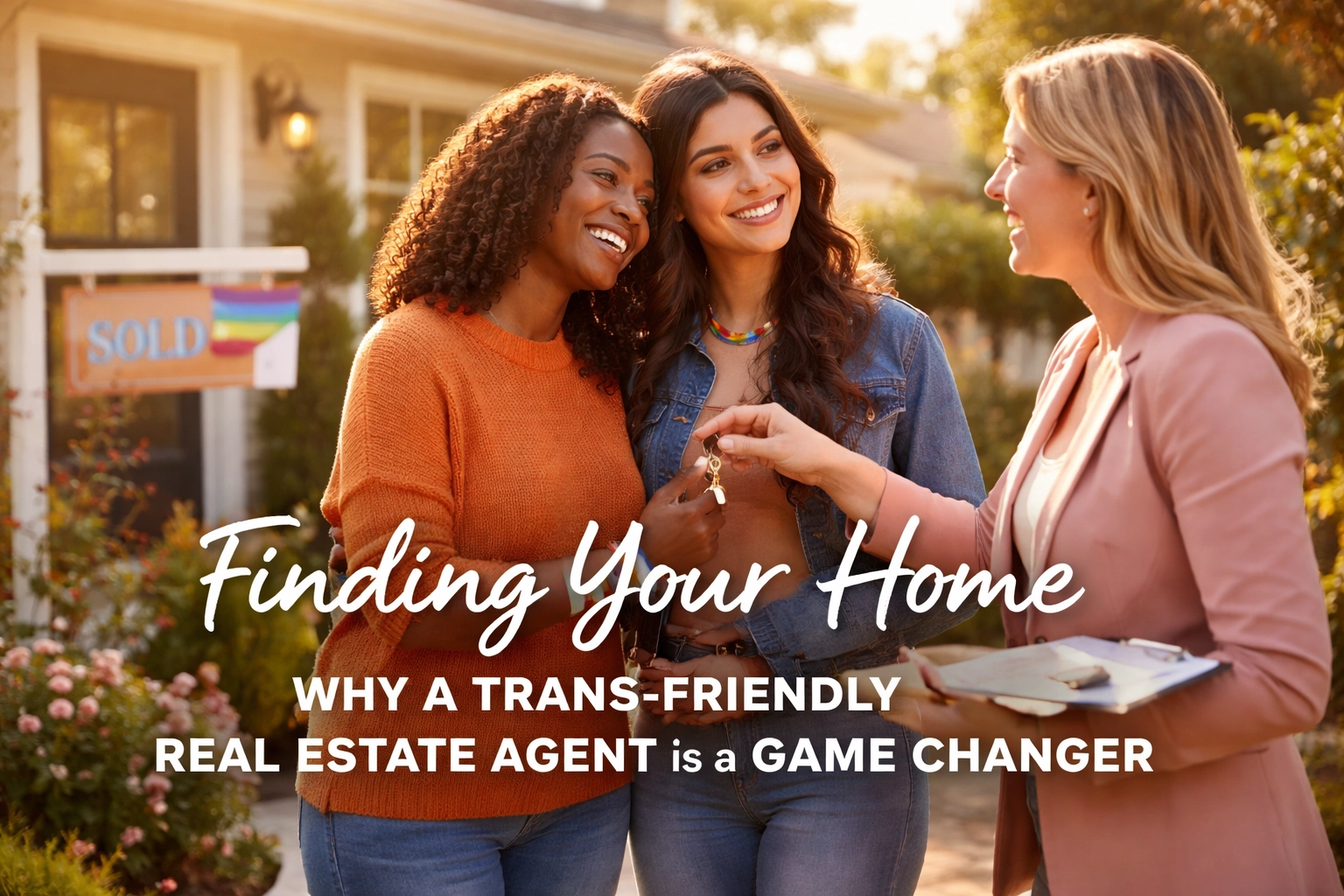
    Transgender couple receiving keys to a new home from a real estate agent in a welcoming neighborhood

    Smoother Transactions

    An agent who understands the potential complications of name discrepancies and identity documentation can proactively address issues before they become roadblocks. They'll know how to communicate with title companies, lenders, and other parties to keep things moving smoothly.

    Emotional Support

    Let's not underestimate this one. Buying or renting a home is emotionally charged. Having an agent who sees you, respects you, and advocates for you makes the entire experience feel less isolating. You're not just a transaction to them: you're a person finding their home.

    Access to Trans Friendly Services

    A connected agent can open doors (literally and figuratively) to an entire network of inclusive professionals. Need a mortgage lender who won't bat an eye at your documentation situation? A home inspector who respects your privacy? Your agent can point you in the right direction.

    How to Find the Right Agent

    Ready to start your search? Here are some practical tips for finding a trans-friendly real estate agent:

    Use an inclusive business directory. This is exactly why resources like Trans Friendly Shops exist. Our directory connects you with professionals who have been vetted for their commitment to serving the trans community with respect and expertise.

    Look for LGBTQ+ certifications and affiliations. Organizations like NAGLREP (National Association of Gay and Lesbian Real Estate Professionals) train agents to better serve LGBTQ+ clients. Agents who are members of these networks have actively chosen to educate themselves.

    Ask around in the community. Word of mouth is powerful. Check local LGBTQ+ Facebook groups, Reddit communities, or ask friends for recommendations. Personal experiences can tell you a lot about whether an agent is truly affirming.

    Interview potential agents. Don't be afraid to ask questions before committing. A good agent will welcome the opportunity to show they understand your needs.

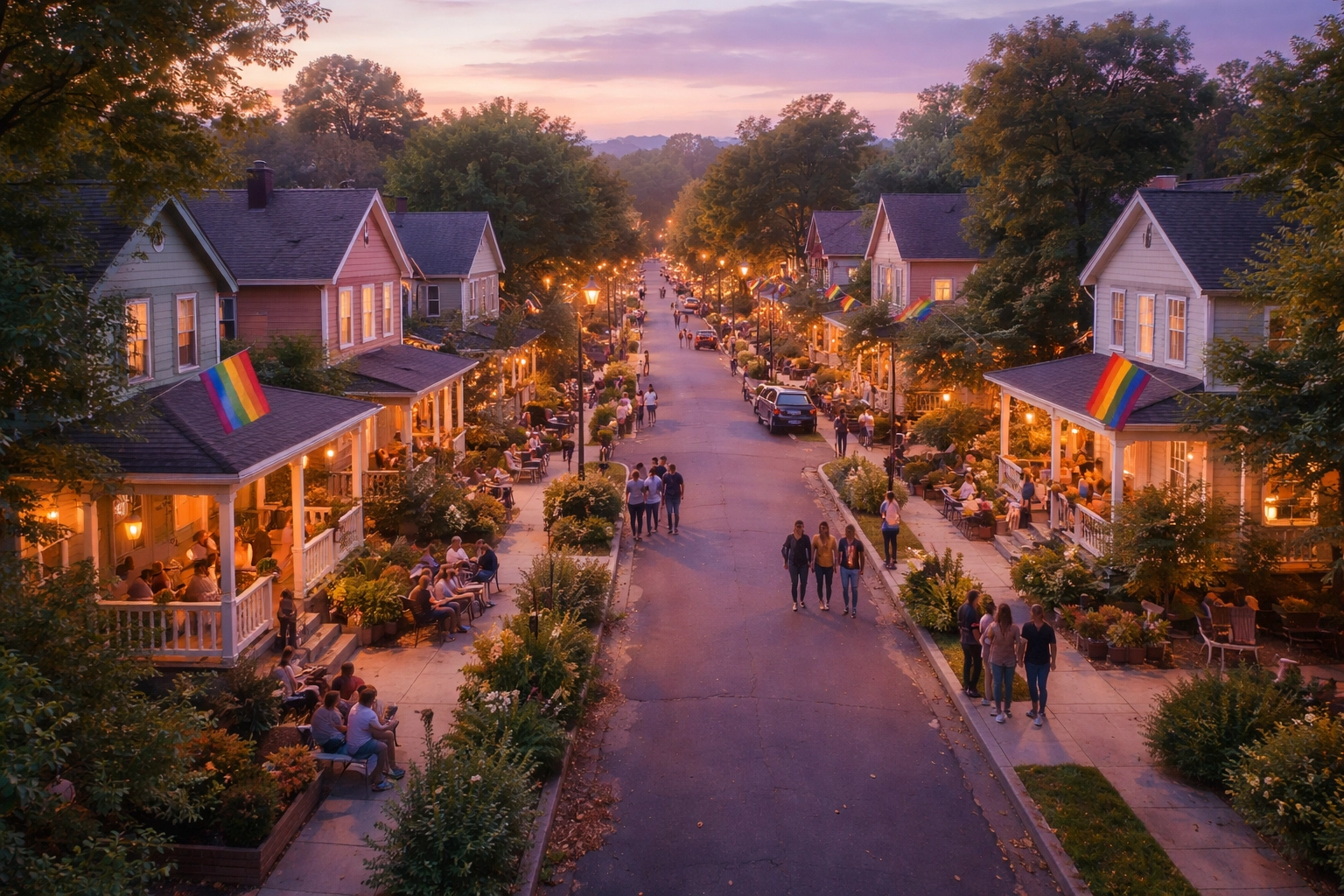
    Inclusive LGBTQ+ neighborhood at dusk with pride flags and friendly neighbors, representing safe communities

    Questions to Ask a Potential Agent

    Not sure where to start the conversation? Here are some questions that can help you gauge whether an agent is the right fit:

    1. "Have you worked with transgender clients before?" Experience matters. An agent who has navigated these transactions before will be better equipped to handle any challenges.

    2. "How do you handle name discrepancies on documents?" This question reveals whether they understand the practical realities of working with trans clients.

    3. "Can you tell me about the neighborhoods you'd recommend for LGBTQ+ individuals?" Their answer will show how much they know about local communities and safety considerations.

    4. "Do you have connections with LGBTQ+-friendly lenders and other professionals?" A well-connected agent can make your entire experience smoother.

    5. "How do you ensure client confidentiality?" Privacy is crucial. You want to know that your personal information: including anything related to your transition: is handled with discretion.

    You Deserve a Home Where You Belong

    At the end of the day, finding a home is about so much more than square footage and mortgage rates. It's about finding a place where you can be yourself, feel safe, and build your life.

    Working with a trans-friendly real estate agent means having someone in your corner who understands that. Someone who will fight for your best interests, respect your identity every step of the way, and help you find not just a house: but a home.

    Ready to find your perfect match? Browse our inclusive business directory to discover trans friendly services, including real estate professionals who are ready to help you on your journey home.

    Because everyone deserves an agent who sees them for who they are. 🏠🏳️‍⚧️

  • The Affirming Office: How to Vet Potential Employers for Trans-Inclusivity

    The Affirming Office: How to Vet Potential Employers for Trans-Inclusivity

    Job hunting is stressful enough without the added weight of wondering whether your potential new workplace will actually see you, respect you, and have your back. For trans folks navigating the employment landscape, it's not just about finding a job that pays the bills, it's about finding somewhere you can show up as your full, authentic self without the constant mental gymnastics of assessing safety.

    Here's the good news: you absolutely deserve an LGBTQ workplace that affirms your identity, and there are concrete ways to figure out which companies walk the walk before you even accept an offer. Consider this your practical playbook for vetting potential employers and spotting those transgender friendly businesses that are actually worth your time and talent.

    Start Before the Application: Green Flags in Job Postings

    Before you even hit "apply," there's a lot you can learn from how a company presents itself. Job postings are basically a company's first impression, and if you know what to look for, they can reveal a lot about workplace culture.

    Explicit mention of gender identity in equal opportunity statements. Generic "we don't discriminate" language is… fine. But the companies that specifically list gender identity and gender expression as protected characteristics? That's a signal they've thought about it. It's the difference between passive acceptance and active inclusion.

    Pronoun fields in the application. If the application asks for your pronouns (and makes it optional, not forced), that's a green flag. It shows the company is aware that not everyone fits into a binary and that they've updated their systems to reflect that.

    Gender-neutral language throughout. Notice how the posting is written. Does it say "salesman" or "sales representative"? Does it reference "he or she" or use "they"? Small linguistic choices can hint at whether inclusion is baked into the company culture or an afterthought.

    A diverse person searches for transgender friendly jobs at a sunlit café, representing inclusive job hunting.

    Benefits that mention transition-related care. Some companies are upfront about offering inclusive healthcare in their job postings. If you see phrases like "comprehensive transgender healthcare coverage" or "gender-affirming care included," that's a company that wants you to know they've got you covered, literally.

    Employee Resource Groups (ERGs) mentioned. If the posting or company careers page highlights an LGBTQ+ employee resource group, that's a strong indicator that there's community within the organization and that leadership supports it.

    Decoding DEI Statements: Substance vs. Fluff

    Ah, the DEI statement. Every company has one these days, but let's be real, not all of them mean much. Here's how to tell the difference between genuine commitment and corporate rainbow-washing.

    What to Look For

    Specific actions, not just values. A meaningful DEI statement will outline actual initiatives: training programs, partnerships with LGBTQ+ organizations, measurable goals for representation, or specific policies they've implemented. Vague statements like "we value diversity" without any follow-up? That's fluff.

    Leadership accountability. Who's responsible for DEI at the company? Is there a dedicated team or officer? Do executives publicly champion inclusion? When leadership has skin in the game, it tends to trickle down.

    Transparency about where they're at. The best companies acknowledge they're still learning and growing. If a DEI statement admits to gaps and outlines plans to address them, that's more trustworthy than a statement that claims perfection.

    Third-party recognition. Has the company been recognized by organizations like the Human Rights Campaign's Corporate Equality Index? External validation can help confirm that their claims hold water.

    Red Flags in DEI Speak

    • Statements that only mention "diversity" without specifying what that means
    • No mention of gender identity or LGBTQ+ inclusion specifically
    • DEI pages that haven't been updated in years
    • All talk about "culture fit" with no explanation of what that means

    The Interview: Questions That Actually Matter

    Here's where you take the reins. The interview isn't just about them evaluating you, it's your chance to evaluate them. And yes, it's absolutely appropriate to ask about inclusion. Any company worth working for will welcome these questions.

    Two professionals engage in a friendly job interview, highlighting LGBTQ workplace inclusivity and open dialogue.

    Healthcare Coverage

    This is a big one. You have every right to ask:

    • "Does your health insurance cover gender-affirming care, including hormone therapy and surgical procedures?"
    • "Are there any exclusions in the plan related to transgender healthcare?"

    Pro tip: If HR can't answer this directly, ask if you can speak with someone from benefits or request a copy of the plan summary. A company that's truly inclusive will have clear answers ready.

    Restroom and Facility Policies

    You shouldn't have to stress about something as basic as using the bathroom. Questions to consider:

    • "What is your policy on restroom access for transgender employees?"
    • "Are there gender-neutral restroom options available?"

    A trans-inclusive employer will confirm that employees can use facilities that match their gender identity: full stop. If they hesitate, that tells you something.

    Name and Pronoun Updates

    • "What's the process for updating my name and pronouns in company systems, email, and directories?"
    • "Can this be done before a legal name change is complete?"

    Companies with solid policies will have a streamlined process that doesn't require you to jump through hoops or out yourself repeatedly.

    Dress Code

    • "Is the dress code gender-neutral, or are there different expectations based on gender?"

    You want to hear that the dress code focuses on professionalism rather than gendered requirements. "Business casual" should mean business casual for everyone, not "suits for men, skirts for women."

    Transition Support

    If you're currently transitioning or plan to in the future, it's worth asking:

    • "Does the company have experience supporting employees through gender transitions?"
    • "Is there a process or point of contact for employees who are transitioning?"

    Companies that have thought about this will have individualized transition plans, communication strategies, and management support already in place.

    A welcoming office space with diverse coworkers, illustrating an affirming and transgender inclusive workplace.

    Training and Culture

    • "Does the company provide training on transgender inclusion or LGBTQ+ awareness?"
    • "Are there any LGBTQ+ employee resource groups or affinity networks?"

    Training signals that the company is actively working to educate employees, which can make your day-to-day experience much smoother. ERGs mean you'll have community and advocates within the organization.

    Red Flags to Watch For

    Trust your gut. If something feels off during the hiring process, it probably is. Here are some warning signs:

    • Vague or evasive answers. If they can't clearly articulate their policies on any of the above topics, that's a problem.
    • No explicit gender identity protections. If their non-discrimination policy doesn't specifically mention gender identity or expression, you may not be protected.
    • Discomfort with your questions. A company that gets defensive or awkward when you ask about inclusion isn't ready to support you.
    • Lack of visible LGBTQ+ representation. If you can't find any evidence of LGBTQ+ employees, leadership, or initiatives, that silence speaks volumes.
    • Outdated policies. If their handbook or website looks like it hasn't been updated since 2010, their approach to inclusion probably hasn't either.

    You Deserve Better Than "Tolerant"

    Here's the thing: you're not asking for special treatment. You're asking for basic respect and the ability to do your job without your identity being a constant obstacle. That's not a big ask: it's the bare minimum.

    The right employer won't just "tolerate" you. They'll actively create an environment where you can thrive, contribute, and grow. Those transgender friendly businesses exist, and you deserve to find them.

    Let Us Help You Find Your People

    At Trans Friendly Shops, we're building a directory of businesses that genuinely support the trans community: not just with words, but with actions. While our focus is on helping you find affirming services and shops, the same principles apply: you deserve to spend your time and energy with organizations that see you.

    Looking for inclusive businesses in your area? Search our directory to find verified transgender friendly businesses that have earned the trust of our community.

    Know a business that should be listed? Add them to our directory and help other trans folks find their way to affirming spaces.

    You've got this. And we've got you. 💜

  • The Wellness Reset: Finding Trans-Affirming Spas and Self-Care Spaces

    The Wellness Reset: Finding Trans-Affirming Spas and Self-Care Spaces

    Picture this: soft lighting, calming music, the scent of lavender in the air. You're about to unwind, let go of the week's stress, and just… breathe. Self-care spaces are supposed to be sanctuaries. Places where you leave the outside world at the door and focus entirely on yourself.

    But here's the thing, for many trans folks, the idea of walking into a spa or booking a massage can feel less like relaxation and more like a stress test. Will they use my correct name? Will I have to explain myself? Will I feel safe?

    You deserve better than that. You deserve spaces where wellness actually feels like wellness. Let's talk about how to find them.

    Why Wellness Spaces Can Feel So Vulnerable

    Let's be real for a moment. Spas, salons, and self-care services require a level of vulnerability that most other businesses don't. You're often in various states of undress. Someone might be touching your body. You're asked personal questions about your skin, your hair, your health.

    For trans individuals, this vulnerability comes with extra layers. There's the anxiety of being misgendered in front of other clients. The uncertainty about whether gendered facilities (like changing rooms or saunas) will feel safe. The worry that a practitioner might react awkwardly, or worse, when they see your body doesn't match their expectations.

    A trans person hesitantly reaching for a spa door, reflecting vulnerability in searching for inclusive wellness spaces

    These aren't small concerns. They're the reason so many trans people skip self-care entirely, even when they desperately need it. And that's a real loss, because everyone deserves the mental and physical benefits that come from taking time to nurture themselves.

    The good news? Trans-affirming wellness spaces exist. And once you find them, the experience can be genuinely transformative.

    What Makes a Space Truly Trans-Affirming?

    Not every business that claims to be "inclusive" actually walks the walk. So how do you spot the real deal? Here are some green flags to look for:

    They Ask, and Use, Your Pronouns

    This sounds basic, but it's huge. A truly affirming space will ask for your pronouns during booking or intake, and then actually use them consistently. You'll notice staff members naturally incorporating this into their conversations, not stumbling over it or making it feel like a big deal.

    Gender-Neutral Language and Facilities

    Look for spaces that don't default to gendered language in their marketing. Instead of "ladies' facial" or "men's massage," you'll see neutral terms. Many affirming spas also offer gender-neutral restrooms or private changing areas, removing the stress of navigating binary facilities.

    Staff Training and Trauma-Aware Practices

    The best trans-affirming wellness providers have staff who've received sensitivity training. They understand that touch can be complicated for people who've experienced dysphoria or medical trauma. They'll ask for consent, check in during treatments, and create space for you to voice any concerns without judgment.

    Visible Signs of Welcome

    Sometimes it's the little things: a pride flag in the window, inclusive imagery on their website, or testimonials from other LGBTQ+ clients. These visible indicators signal that you're not just tolerated, you're genuinely welcomed.

    Welcoming spa reception area with pride flag, highlighting a trans friendly and inclusive environment

    The Healing Power of Affirming Touch

    Here's something that doesn't get talked about enough: for many trans people, receiving compassionate, affirming touch can be genuinely healing.

    Think about it. Many of us have complicated relationships with our bodies. Years of dysphoria, medical procedures, or simply existing in a world that doesn't always understand us can leave their mark. That tension doesn't just live in our minds, it settles into our muscles, our posture, our nervous systems.

    When you receive care from someone who sees you fully and treats your body with respect, something shifts. Massage therapy in an affirming space isn't just about working out knots (though that's nice too). It's about reconnecting with your body in a way that feels empowering rather than alienating.

    The same goes for skincare treatments, facials, and other spa services. There's something deeply validating about having someone care for your appearance in a way that aligns with how you see yourself. Whether you're exploring gender-affirming aesthetics or just want a relaxing facial, doing so in a safe environment makes all the difference.

    Types of Trans-Affirming Wellness Services

    The world of trans-affirming self-care is broader than you might think. Here's a sampling of what's out there:

    Massage and Bodywork

    From Swedish massage to deep tissue work, affirming massage therapists create environments where you can fully relax. Many specialize in trauma-aware techniques, ensuring that every touch is consensual and comfortable.

    Skincare and Facials

    Whether you're dealing with hormonal changes affecting your skin or just want that post-facial glow, trans-affirming estheticians offer personalized treatments. They'll work with your specific needs without making assumptions about your body or gender.

    Laser Hair Removal

    This is a big one for many trans folks. Finding a trans friendly salon or medspa that offers laser hair removal in a respectful, knowledgeable environment can be life-changing. The best providers understand the specific needs of trans clients and create private, comfortable treatment spaces.

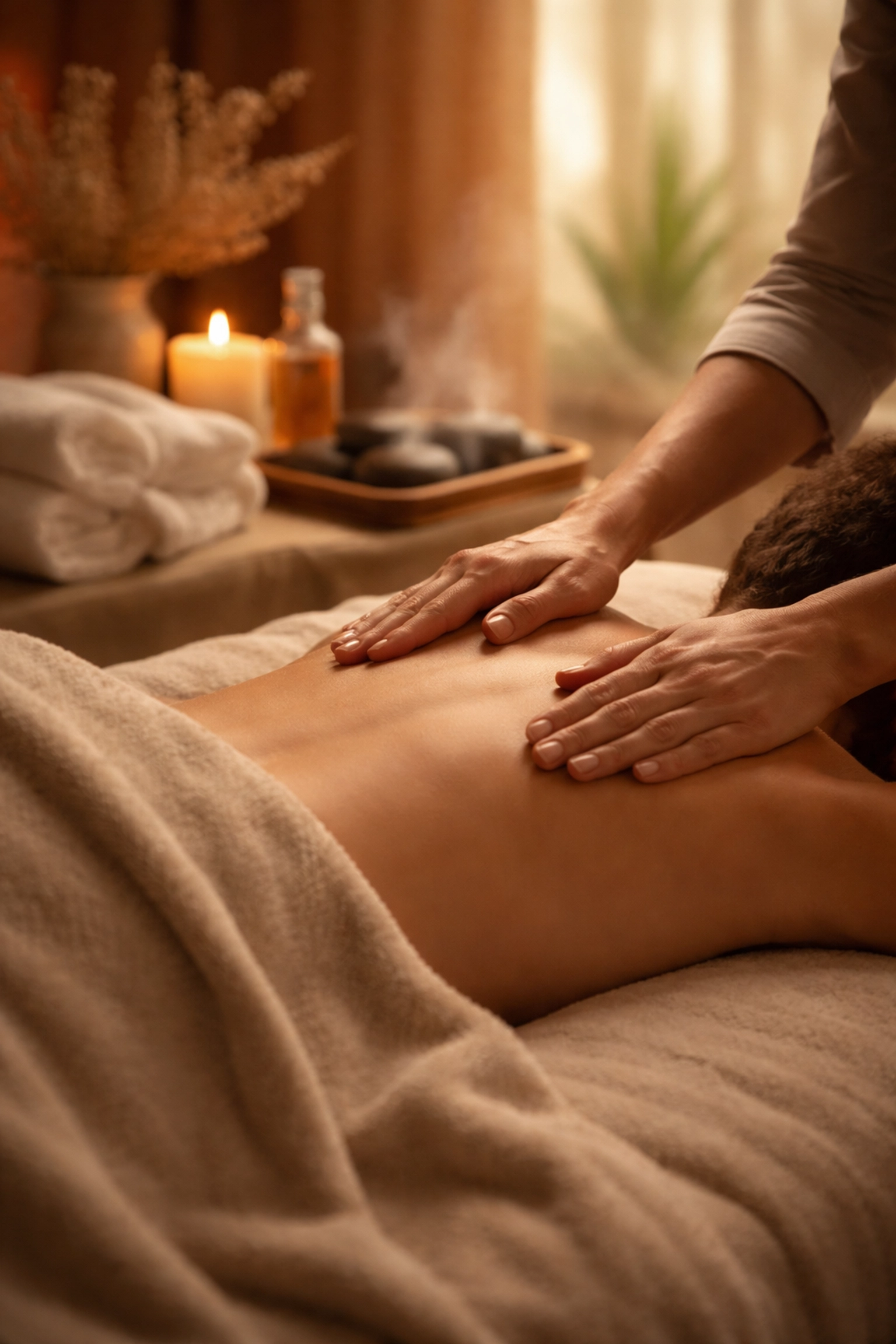
    Massage therapist providing a peaceful, affirming session in a serene setting for transgender wellness

    Body Contouring and Aesthetics

    Some medspas offer non-surgical treatments like facial fillers, Botox, or body contouring that can support gender affirmation. Providers who specialize in this area will offer thorough consultations, discussing your goals and creating personalized treatment plans.

    Nail Care and Beauty Services

    Sometimes self-care is as simple as getting your nails done in a space where you feel seen. Trans-affirming nail salons exist, offering everything from classic manicures to elaborate nail art, all without the side-eye or awkward questions.

    How to Find Your Safe Haven

    Okay, so these magical affirming spaces exist. But how do you actually find them?

    Use an Inclusive Business Directory

    This is where we come in. An inclusive business directory like Trans Friendly Shops takes the guesswork out of finding safe providers. Instead of scrolling through endless reviews hoping to spot clues about inclusivity, you can search specifically for businesses that have been identified as trans-friendly.

    Our directory is built by and for the community, which means the listings reflect real experiences from real trans folks. It's a starting point that can save you a lot of anxiety and research.

    Ask the Community

    Online forums, local LGBTQ+ centers, and social media groups can be goldmines for recommendations. Don't be shy about asking other trans people where they go for self-care. Word of mouth is powerful, and chances are someone in your network has already done the legwork.

    Do a Little Recon

    Before booking, check out a business's website and social media. Look for inclusive language, diverse imagery, and any explicit statements about serving LGBTQ+ clients. You can also call ahead and ask questions: how a business responds to your inquiries will tell you a lot about how they'll treat you in person.

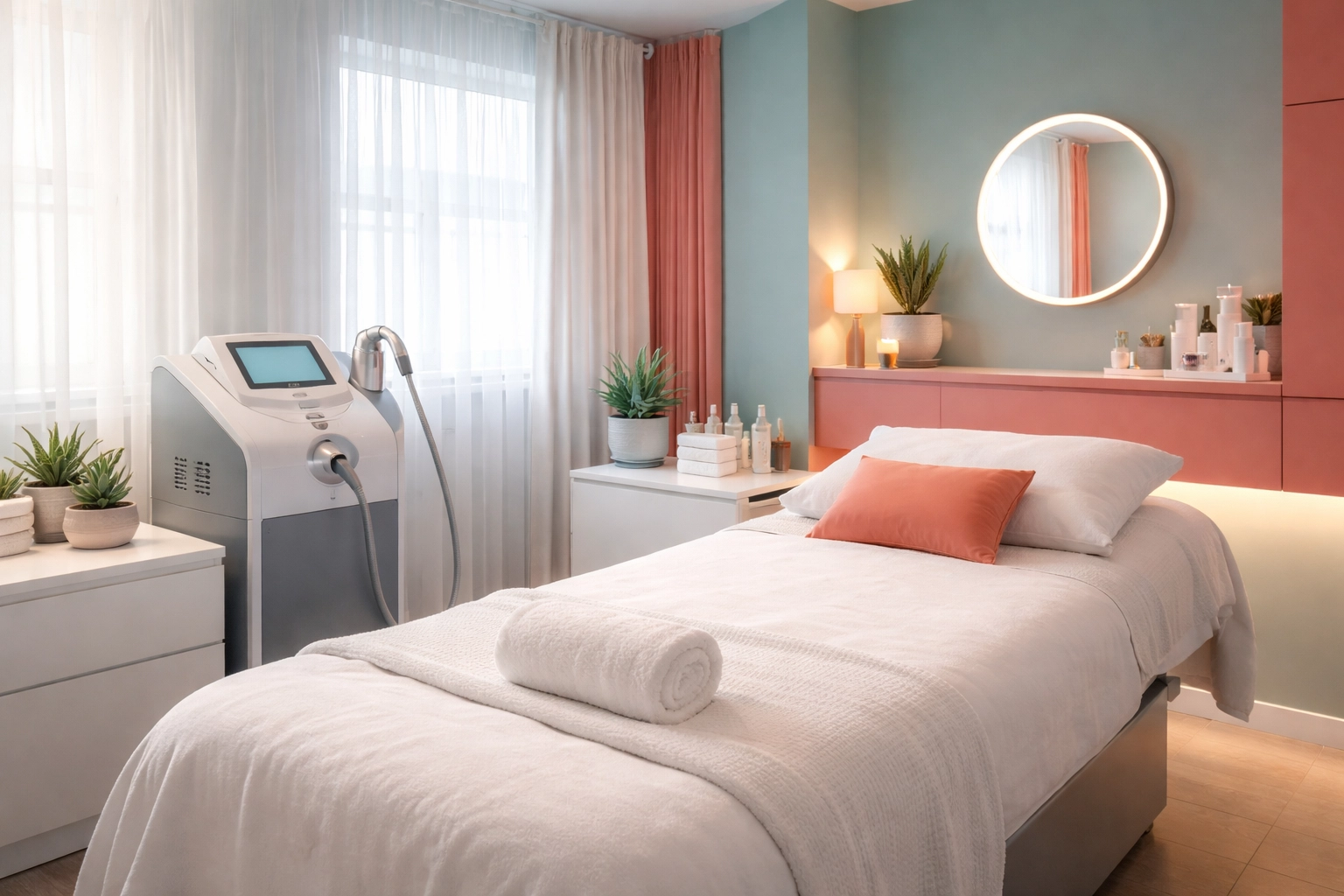
    Modern laser hair removal room emphasizing privacy and comfort for trans friendly salon services

    Giving Yourself Permission

    Here's the final piece of the puzzle, and maybe the most important one: allowing yourself to prioritize self-care in the first place.

    For many trans people, wellness services can feel like a luxury: something for "other people" or something to put off until life settles down. But investing in your well-being isn't frivolous. It's necessary. It's a way of telling yourself that you matter, that your comfort matters, that your body deserves care and gentleness.

    You don't need to earn a spa day. You don't need to justify wanting a massage or a facial or a manicure. These small acts of self-care can have ripple effects on your mental health, your stress levels, and your relationship with your own body.

    Your Wellness Journey Starts Here

    Finding trans-affirming wellness spaces might take a little extra effort, but it's worth it. When you walk into a spa knowing you'll be respected, something beautiful happens: you can actually relax.

    Ready to find your safe haven? Browse our inclusive business directory to discover trans-friendly spas, salons, and wellness providers in your area. And if you know a business that deserves to be listed, add them to our directory so others in the community can benefit too.

    You deserve spaces that see you, respect you, and help you feel at home in your own skin. Here's to your wellness reset. 🧖✨

  • Inclusive Hobby Hubs: Finding Your Tribe in Gaming and Crafting Spaces

    Inclusive Hobby Hubs: Finding Your Tribe in Gaming and Crafting Spaces

    Let's be real: hobbies are supposed to be fun. They're the thing you do to escape the daily grind, meet cool people, and nerd out over the stuff that makes your heart sing. Whether you're rolling dice in a tabletop campaign, learning to crochet the world's coziest blanket, or painting miniatures with the precision of a surgeon, your hobby time should feel like a breath of fresh air.

    But here's the thing, for many folks in the LGBTQ+ community, especially trans and nonbinary individuals, walking into a new hobby shop or joining a crafting circle can feel like stepping into the unknown. Will they use my correct pronouns? Will I be welcome here? Is this going to be another space where I have to shrink myself to fit in?

    Spoiler alert: You deserve better than that. And the good news? Truly inclusive hobby hubs exist, and we're here to help you find them! 🎲✨

    Why Inclusive Spaces Matter (Like, Really Matter)

    Hobbies aren't just about the activity itself: they're about connection. They're about finding your people, sharing laughs over a failed soufflé or a spectacularly botched D&D roll, and building friendships that extend beyond the craft table.

    For transgender and nonbinary folks, finding spaces that actively promote safety and inclusion isn't just a "nice to have": it's essential. When you're constantly navigating a world that questions your existence, having a hobby space where you can just be yourself is genuinely healing.

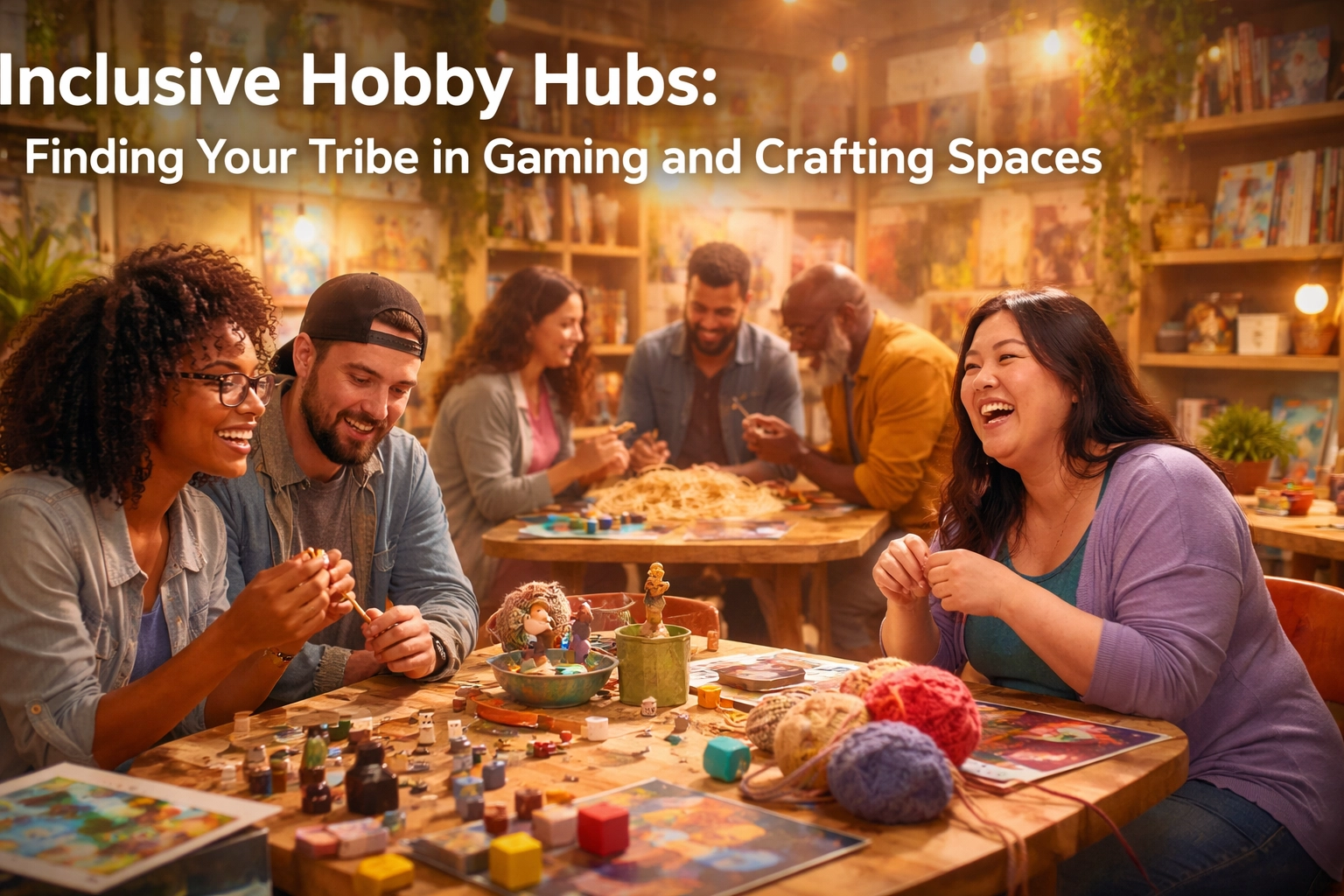
    Diverse friends laughing and playing a tabletop board game in an inclusive, welcoming hobby cafe

    Research shows that inclusive spaces require intentional effort. Communities that don't actively work toward inclusion may inadvertently maintain barriers that exclude marginalized folks. That's why it matters so much to seek out transgender friendly businesses and hobby hubs that walk the walk, not just talk the talk.

    The right space will let you focus on what actually matters: mastering that complicated knitting pattern, strategizing your next move in a board game, or finally painting that miniature army you've been putting off for months.

    Signs You've Found a Truly Inclusive Hobby Hub

    So how do you know when you've struck gold? Here are some green flags to look for when scoping out a new gaming store, craft shop, or hobby club:

    1. Visible Signs of Welcome

    Look around when you walk in. Do you see Pride flags, pronoun pins on staff members, or inclusive signage? These visual cues aren't just decoration: they're signals that the business has made a conscious choice to create a welcoming environment.

    2. A Clear Code of Conduct

    The best hobby spaces have explicit policies about respectful behavior. Whether it's posted on the wall, printed on event flyers, or featured on their website, a solid code of conduct tells you that the owners take inclusion seriously and won't tolerate harassment.

    3. Diverse Participation

    Take a peek at who's actually hanging out there. Is the crowd diverse in terms of gender presentation, age, and background? Inclusive spaces tend to attract inclusive crowds. If everyone looks exactly the same, that might be a hint about the vibe.

    4. Staff Who Get It

    Pay attention to how staff interact with customers. Do they ask for pronouns? Do they correct themselves quickly if they make a mistake? Are they friendly and approachable to everyone, not just the regulars? Staff behavior often reflects the values of the business itself.

    Pride flags and helpful staff in a friendly, transgender inclusive board game store

    5. Accessible and Comfortable Layout

    Inclusive spaces think about accessibility: not just physical accessibility like ramps and wide aisles, but also creating low-pressure environments where newcomers feel comfortable. Bonus points for shops that offer varied seating options and quiet corners for those who need a break from the bustle.

    Types of Hobby Spaces to Explore

    Ready to find your tribe? Here are some types of hobby hubs where you might discover your next favorite community:

    Local Game Stores (LGS)

    These are the classic hangout spots for tabletop gaming, trading card games, and board game nights. Many local game stores host regular events like Magic: The Gathering tournaments, Dungeons & Dragons campaigns, and open board game nights. The best ones actively cultivate inclusive communities and have zero tolerance for toxic behavior.

    Pro tip: Check their social media or website before visiting. Stores that prioritize inclusion often promote it loudly and proudly online.

    Craft and Yarn Shops

    Knitting circles, crochet clubs, and fiber arts communities can be incredibly warm and welcoming. Many craft shops host regular stitch-and-chat sessions where you can learn new techniques, share projects, and make friends over a cup of tea. Look for shops that explicitly welcome all skill levels and identities.

    Makerspaces and DIY Studios

    If you're into woodworking, electronics, 3D printing, or other hands-on crafts, makerspaces are fantastic community hubs. These shared workshops often attract creative, open-minded folks and prioritize collaborative learning. Many makerspaces have formal inclusion policies and offer classes for beginners.

    Collaborative makerspace with diverse people engaging in creative projects in an accessible, inclusive environment

    Art Studios and Painting Groups

    Whether you're into watercolors, acrylics, or miniature painting, joining a local art group can be a great way to connect with fellow creatives. Look for studios that host paint nights, open studio sessions, or themed workshops. The vibe tends to be relaxed and encouraging: perfect for trying something new.

    Online Communities with Local Meetups

    Sometimes the best way to find your people is to start online. Many Discord servers, Facebook groups, and Reddit communities for specific hobbies organize local meetups. This can be a lower-pressure way to vet a group before showing up in person.

    Red Flags to Watch Out For

    Unfortunately, not every hobby space is going to be a winner. Here are some warning signs that a space might not be the inclusive haven you're looking for:

    • No visible inclusion efforts: If there's zero indication that the space values diversity, proceed with caution.
    • Dismissive responses to concerns: If you mention inclusion and get an eye roll or a "we welcome everyone" without any specifics, that's telling.
    • Tolerating bad behavior: If you witness harassment or microaggressions and staff don't intervene, that's a major red flag.
    • Cliquey atmosphere: If regulars seem unwelcoming to newcomers or the space feels like an exclusive club, it might not be the right fit.

    Trust your gut. If something feels off, it probably is: and you deserve a space that feels genuinely safe.

    Building Your Own Community

    What if you can't find an inclusive hobby hub in your area? You might just need to create one yourself! It's easier than you think:

    • Start small: Invite a few friends over for a craft night or game session.
    • Use social media: Post in local LGBTQ+ groups to see if others share your interests.
    • Partner with inclusive businesses: Some cafes, bookstores, or community centers might be happy to host a regular meetup.
    • Set the tone early: Establish clear expectations about respect and inclusion from day one.

    Some of the best communities started with just a handful of people who wanted a space where they could be themselves. Yours could be next!

    Let Trans Friendly Shops Help You Find Your Hub

    Finding transgender friendly businesses and inclusive hobby spaces doesn't have to be a guessing game. That's exactly why Trans Friendly Shops exists! Our inclusive business directory connects you with businesses that have been vetted by the community: places where you can shop, play, create, and connect without worry.

    Whether you're looking for a retail shop that carries your favorite crafting supplies or a service provider for your next creative project, our directory is here to help you find spaces that truly welcome you.

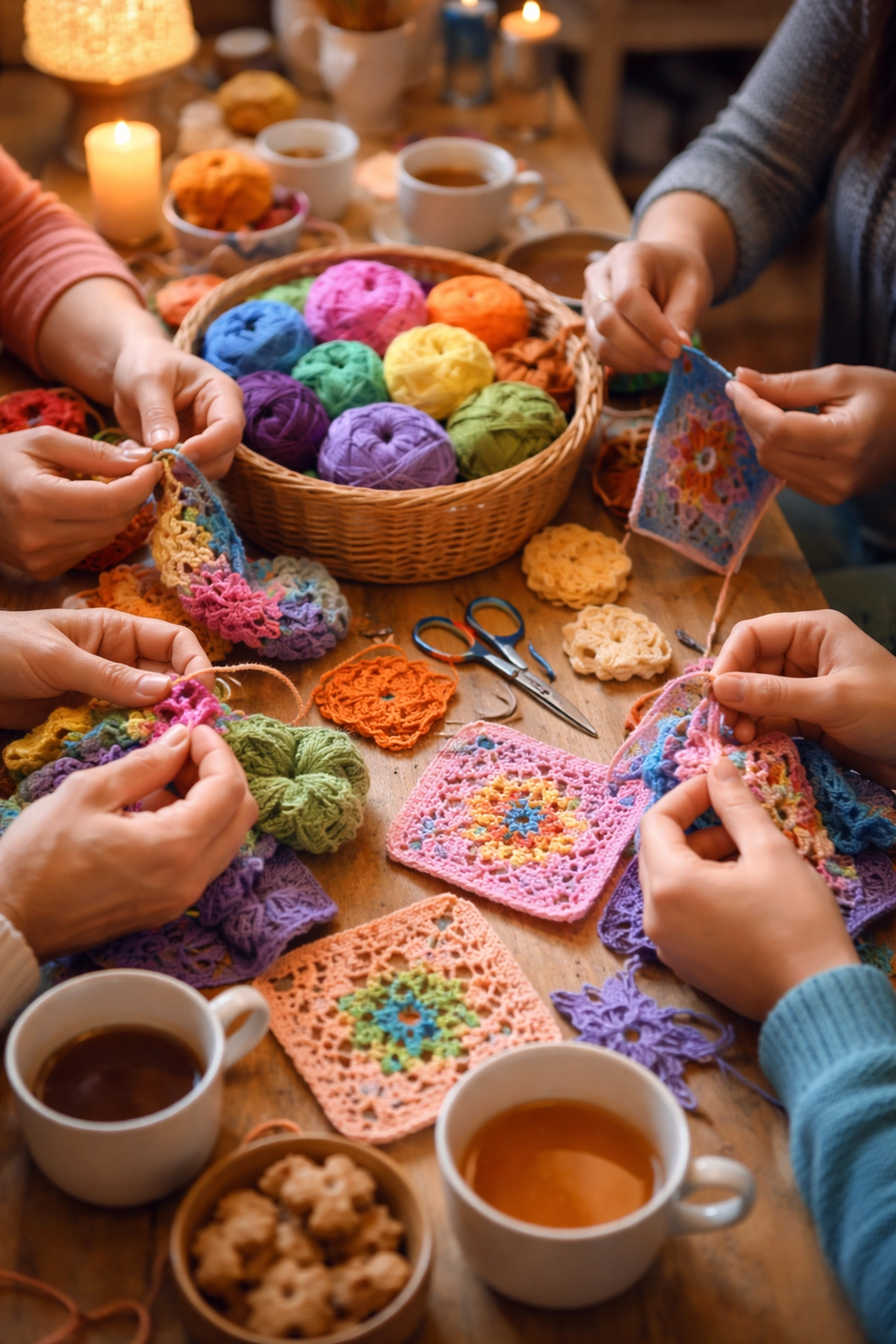
    Hands from many people crocheting together at a colorful, LGBTQ-friendly craft circle meetup

    Go Find Your People!

    Your hobbies should be a source of joy, creativity, and connection: not stress and anxiety. Inclusive hobby hubs are out there, filled with people who will celebrate your epic wins, commiserate over your crafting disasters, and welcome you exactly as you are.

    So grab your dice, your yarn, your paintbrushes, or whatever tools fuel your passion, and go find your tribe. They're waiting for you. 🌈🧶🎨

  • A Guide to Gender-Neutral Threads: Finding Affirming Fashion and Retail

    A Guide to Gender-Neutral Threads: Finding Affirming Fashion and Retail

    Let's be real for a second: shopping for clothes should be fun. It should be about self-expression, finding pieces that make you feel like you, and maybe treating yourself to something that sparks a little joy. But for many trans and nonbinary folks, a trip to the mall can feel less like retail therapy and more like running an obstacle course of gendered departments, judgmental glances, and fitting room anxiety.

    If that resonates with you, you're absolutely not alone. The good news? The fashion world is slowly catching up, and there are more options than ever for finding affirming, gender-neutral fashion that lets you dress exactly how you want: without the stress. Let's dive in.

    Why Traditional Retail Can Feel Like a Minefield

    Picture this: You walk into a department store looking for a simple button-up shirt. Seems easy enough, right? Except the store is split into two rigid sections: "Men's" and "Women's": and neither feels quite right. You hover awkwardly between the two, trying to decide which section is less likely to earn you a weird look from a sales associate.

    Then there's the fitting room situation. Many stores still have strictly gendered changing areas, which can range from mildly uncomfortable to genuinely unsafe for trans shoppers. And even if you make it through all of that, the sizing is wildly inconsistent because "men's" and "women's" clothes are cut completely differently.

    It's exhausting. And it shouldn't be this hard.

    A shopper stands between racks of men's and women's clothes in a store, highlighting challenges of gendered fashion spaces.

    The reality is that traditional retail spaces weren't designed with us in mind. They operate on a binary system that assumes everyone fits neatly into one of two boxes. Spoiler alert: humans are way more interesting than that.

    What Affirming Retail Actually Looks Like

    So what makes a shopping experience truly inclusive? It goes way beyond slapping a rainbow sticker on the window during Pride Month. Here's what to look for when you're hunting for lgbtq friendly businesses that actually walk the walk:

    Gender-Neutral Sections (or No Gendered Sections at All)

    The best inclusive retail spaces organize their clothing by type rather than gender. Pants are with pants. Shirts are with shirts. Revolutionary concept, we know. Some boutiques and online stores have ditched gendered labels entirely, letting you browse based on fit, style, or size range instead.

    Safe and Accessible Fitting Rooms

    This is a big one. Look for stores with private, single-occupancy fitting rooms or explicitly gender-neutral changing areas. Bonus points if staff are trained to be respectful and not make assumptions about what you're "supposed" to be trying on.

    Knowledgeable, Respectful Staff

    An affirming shopping experience means employees who use your correct pronouns, don't bat an eye when you're shopping in "unexpected" sections, and genuinely want to help you find clothes that fit your body and your style: not their assumptions about either.

    Size Inclusivity

    Gender-neutral fashion should be for all bodies, not just a narrow range of sizes. The best brands and shops offer extended sizing and understand that bodies come in endless variations.

    Modern boutique with gender-neutral clothing racks and a welcoming atmosphere, showing inclusive retail experiences.

    Building Your Gender-Neutral Wardrobe: The Essentials

    Whether you're starting from scratch or just looking to add some versatile pieces, here are some gender-neutral staples that work across body types and style preferences:

    The Foundation: Bottoms

    Start with basics that prioritize comfort and versatility. Straight-leg jeans are a classic that works with everything. Wide-leg trousers give you that relaxed, flowing silhouette, while cargo pants add some functional edge. For chill days, joggers are your best friend. The key is avoiding overly fitted cuts that are traditionally associated with specific genders: go for relaxed and roomy.

    Everyday Tops

    Your top game should be all about layering potential. Stock up on basic crew-neck t-shirts in neutral colors, a few button-ups (these are incredibly versatile and can be dressed up or down), and some cozy oversized hoodies and sweatshirts. Pro tip: avoid cap sleeves, scoop necks, and super fitted options if you're going for a more gender-neutral look.

    Layering Like a Pro

    This is where gender-neutral fashion really shines. Vests, oversized blazers, long cardigans, and shackets (that's shirt-jackets for the uninitiated) let you build outfits with depth and personality. Picture this: a basic tee, an open button-up, and a long cardigan over wide-leg trousers. Chef's kiss.

    Outerwear That Works

    For colder months, reach for puffer jackets, bomber jackets, denim jackets, or oversized overcoats. These pieces add texture and warmth without being gendered. A good puffer jacket is basically the great equalizer of fashion.

    Don't Sleep on Jumpsuits and Dungarees

    Hear us out: jumpsuits and dungarees are massively underrated in the gender-neutral wardrobe. They're a complete outfit in one piece, they're comfortable, and they look effortlessly cool. Pair a long shirt dress with trousers underneath for an unexpected, layered look that feels fresh and grounded.

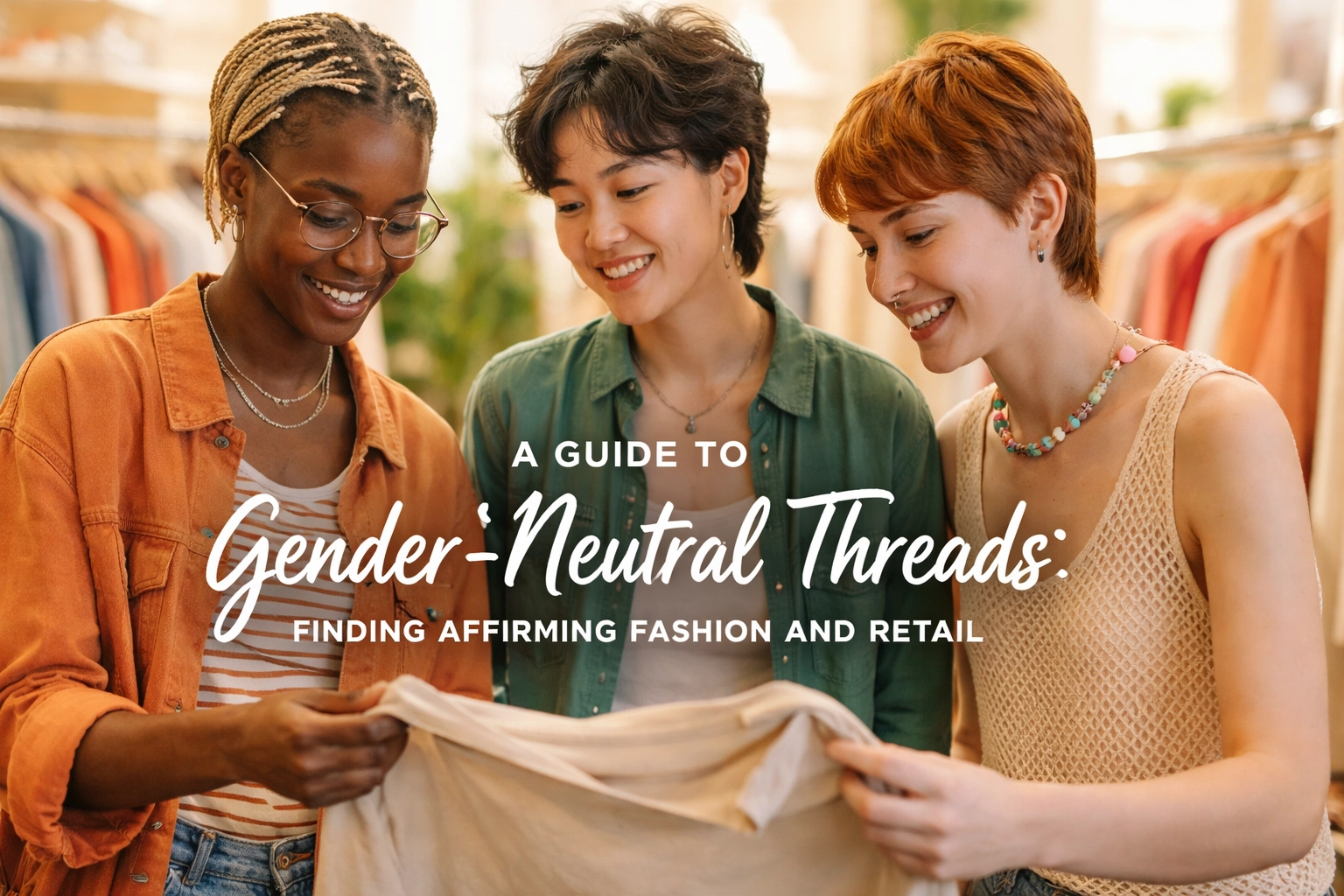
    Diverse friends trying on gender-neutral outfits in a cozy space, illustrating affirming and joyful shopping experiences.

    Where to Find Inclusive Retail Spaces

    Now for the million-dollar question: where do you actually find these magical, affirming places to shop?

    Brands Leading the Way

    Several brands have built their entire identity around inclusive, gender-neutral fashion. Wildfang is known for its tomboy-inspired aesthetic and gender-inclusive sizing. TomboyX started with underwear but has expanded into loungewear and basics designed for all bodies. Kirrin Finch creates beautiful menswear-inspired suits cut for diverse body shapes: perfect if you need something for a formal occasion. Riley Studio focuses on sustainable, gender-neutral basics, and Telfar has become iconic for its unisex approach to fashion.

    For something really tailored to you, Clothing Without Labels designs shirts in four different cuts based on body type rather than gender: because your shoulders don't have a gender identity.

    Local Boutiques and Small Businesses

    Here's a secret: some of the best inclusive retail experiences happen at local boutiques and small businesses. These shops often have more flexibility to create welcoming environments, offer personalized service, and curate gender-neutral collections without the corporate red tape.

    The trick is finding them. That's where directories like ours come in handy. At Trans Friendly Shops, we're building a community of lgbtq friendly businesses that have been vetted for their commitment to inclusivity. You can search our directory to find affirming retail options in your area: from boutiques to thrift stores to specialty shops.

    Thrift Stores: The Underrated Option

    Don't overlook secondhand shopping! Thrift stores are often less rigidly organized (clothes are just… clothes), and you can find unique pieces at a fraction of the price. Plus, it's better for the planet. Win-win.

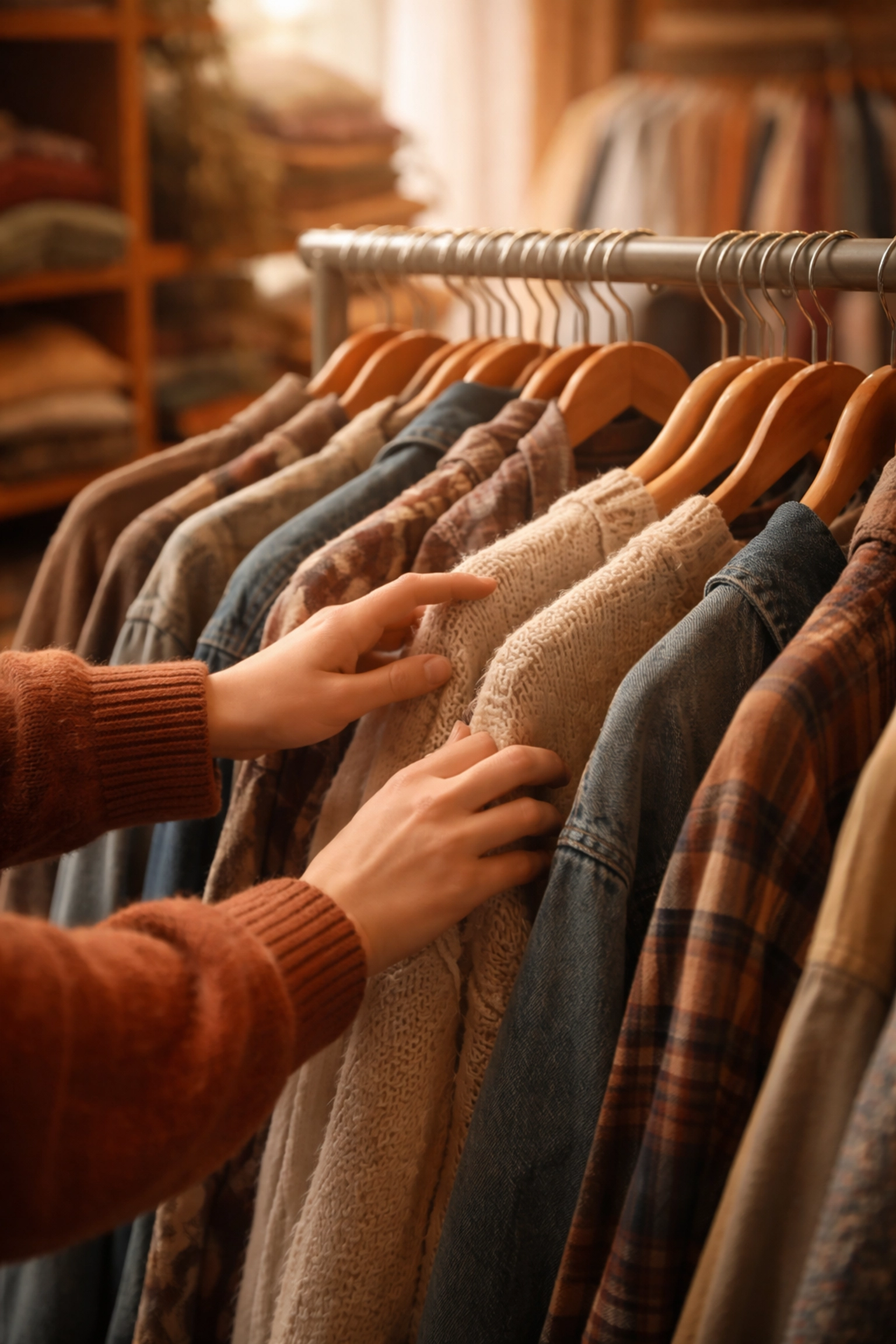
    Hands browsing vintage clothing at a thrift store, showcasing inclusive secondhand fashion options for all genders.

    Tips for a Better Shopping Experience

    Even with the best stores, shopping while trans can still feel daunting. Here are some strategies to make it easier:

    Bring a friend. Having someone in your corner can make the whole experience less stressful and more fun. Plus, you've got a second opinion on whether that jacket is actually as cute as you think it is.

    Shop during off-peak hours. Less crowded stores mean fewer eyes on you and more availability of fitting rooms. Early weekday mornings are usually your best bet.

    Call ahead. If you're unsure about a store's policies (especially around fitting rooms), a quick phone call can save you potential discomfort.

    Online shopping is valid. There's no shame in shopping from the comfort of your couch. Many inclusive brands have generous return policies, so you can try things on at home without pressure.

    Trust your instincts. If a space doesn't feel right, you don't owe them your business. There are plenty of stores that will treat you with the respect you deserve.

    Your Style, Your Rules

    At the end of the day, fashion is supposed to be about expressing who you are: not squeezing yourself into someone else's idea of who you should be. Gender-neutral fashion isn't about looking a certain way; it's about having the freedom to wear what makes you feel good.

    The inclusive retail landscape is growing, and more businesses are recognizing that welcoming all customers isn't just the right thing to do: it's good business. And as we continue to support and highlight these spaces, we're helping build a world where everyone can walk into a store and just… shop. No stress. No judgment. Just clothes.

    Ready to find affirming fashion spots near you? Browse our directory to discover inclusive retail options, or add a listing if you know a business that deserves some love.

    Now go forth and find your perfect threads. You've got this. 👕✨

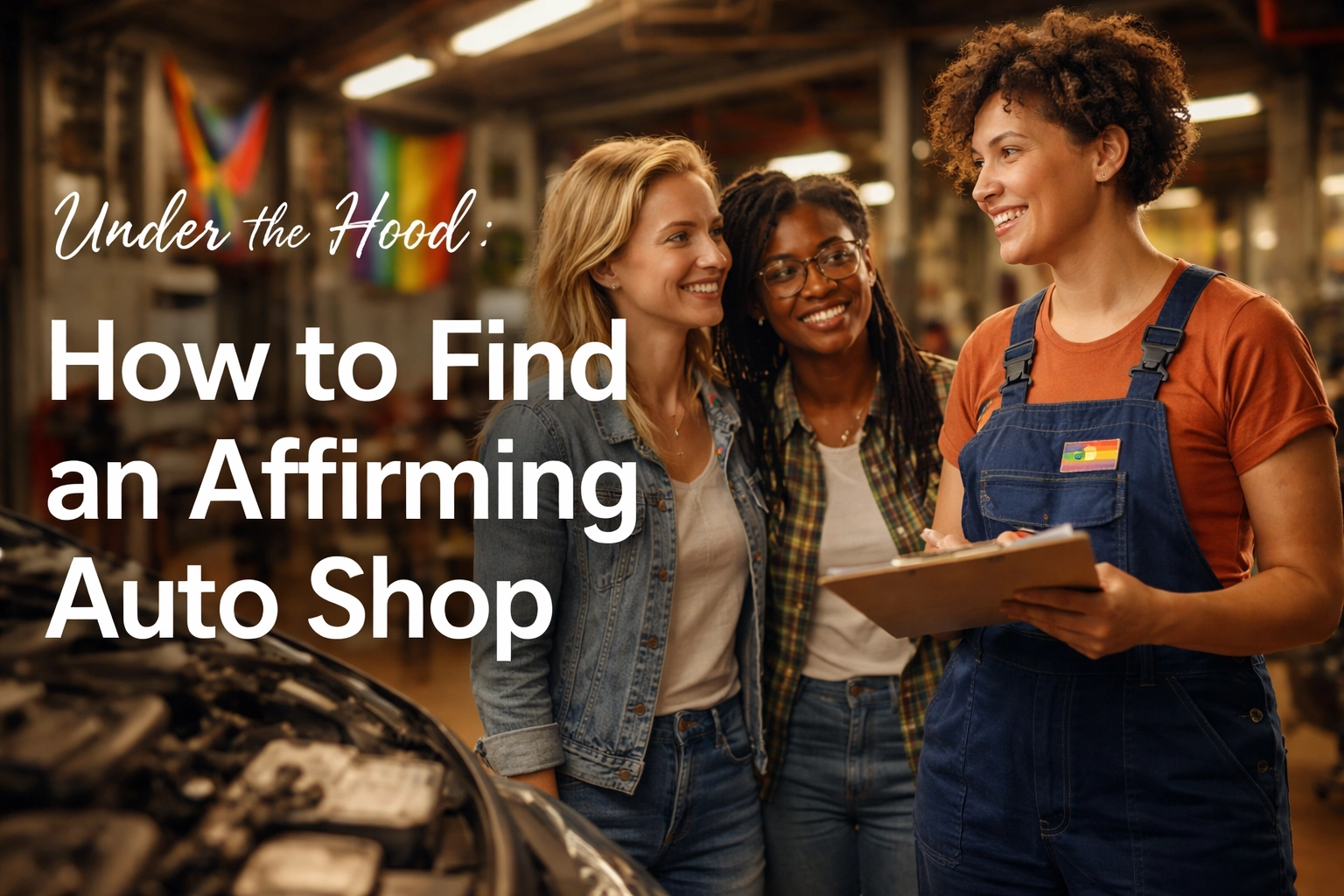
  • Under the Hood: How to Find an Affirming Auto Shop

    Under the Hood: How to Find an Affirming Auto Shop

    Let's be real: getting your car serviced shouldn't come with a side of anxiety. But for many trans and gender-diverse folks, walking into an auto shop can feel like entering a space that wasn't designed with them in mind. The hyper-masculine environment, the potential for misgendering, and the worry about how you'll be treated can turn a simple oil change into an emotionally draining experience.

    Here's the good news: affirming auto shops exist, and you deserve to find one. This guide is all about helping you locate trans friendly services that keep your car running smoothly without the stress. Let's pop the hood and dig in.

    Why This Matters More Than You Might Think

    Car trouble doesn't care about your identity. Whether it's a flat tire, a check engine light, or routine maintenance, everyone needs a reliable mechanic at some point. But the experience of getting that help can vary wildly depending on who you are.

    For trans and non-binary individuals, auto shops can present unique challenges:

    • Misgendering and deadnaming: If your ID doesn't match your presentation, or your name hasn't been legally changed yet, the paperwork process alone can be uncomfortable.
    • Unwelcoming environments: Some shops lean heavily into a "boys' club" atmosphere that can feel exclusionary or even hostile.
    • Fear of discrimination: Unfortunately, stories of LGBTQ+ individuals being treated poorly or even refused service aren't unheard of.
    • Vulnerability: Leaving your car with strangers requires trust, and that's harder to give when you're worried about how you'll be perceived.

    Finding lgbtq friendly businesses in the automotive space isn't just about convenience. It's about safety, dignity, and peace of mind.

    A diverse group of people, including a trans woman, relax in a welcoming auto shop waiting area with natural light, embodying an inclusive environment for lgbtq friendly businesses.

    What Does an Affirming Auto Shop Actually Look Like?

    Before we dive into how to find one, let's talk about what makes an auto shop genuinely trans-friendly. It's more than just a rainbow sticker in the window (though that can be a nice signal). Here's what to look for:

    Respectful Communication

    An affirming shop will ask for your preferred name and pronouns, or at minimum, won't bat an eye when you provide them. Staff should address you correctly and consistently, even if your legal documents say something different.

    Transparency and Education

    Great mechanics don't hide behind jargon or keep you in the dark about what's happening with your vehicle. Affirming shops often go the extra mile to explain repairs clearly, sometimes even bringing you onto the service floor to show you exactly what's going on. This approach isn't just friendly, it's empowering.

    Honest Timeline Communication

    Nobody likes being pressured into expensive repairs on the spot. A trustworthy, inclusive shop will be upfront about what's urgent versus what can wait. They'll help you prioritize based on your budget and safety needs, not their bottom line.

    Welcoming Atmosphere

    Pay attention to the vibe. Are there inclusive signs or symbols? Do staff members seem comfortable and friendly? Is the waiting area clean and welcoming to all genders? These details matter.

    Service for All Vehicle Types

    Shops that work on all makes and models tend to be more community-minded. They're not gatekeeping who can access their services based on what kind of car you drive, which often translates to a more open-minded approach overall.

    A friendly female mechanic discusses car repairs with a non-binary customer at an affirming auto shop, showcasing transparency and trans friendly service.

    How to Find Trans Friendly Auto Services

    Alright, let's get practical. Here's your game plan for finding a mechanic who will treat you right.

    1. Use LGBTQ+ Business Directories

    This is the most direct route. Dedicated directories list businesses that have been vetted or self-identified as LGBTQ+-friendly. Resources like Trans Friendly Shops exist specifically to connect you with affirming services across various industries: including automotive.

    Other directories to check include Gay Pink Spots, Gay Pages, and Pride Source's marketplace, which maintain listings of LGBTQ+-owned and allied auto businesses organized by location.

    2. Ask Your Community

    Word of mouth is gold. Post in local LGBTQ+ Facebook groups, subreddits, or Discord servers asking for mechanic recommendations. Chances are, someone in your community has already done the legwork and can point you toward a shop they trust.

    3. Check for Chamber of Commerce Membership

    Some auto shops are members of local LGBTQ+ chambers of commerce. For example, AutoAid in Los Angeles is a member of the Los Angeles Gay and Lesbian Chamber of Commerce. This kind of affiliation signals a business's commitment to the community.

    4. Look for Reviews and Testimonials

    Before you book an appointment, do a little research. Google reviews, Yelp, and even the shop's own website might contain testimonials from LGBTQ+ customers. Look for mentions of respectful service, welcoming staff, or explicit support for the community.

    5. Call Ahead and Test the Waters

    If you're unsure about a shop, a quick phone call can tell you a lot. You might ask:

    • "Do you have experience working with transgender customers?"
    • "How do you handle names and pronouns if they differ from what's on my ID?"
    • "What's your shop's policy on non-discrimination?"

    How they respond: both the words and the tone: will give you valuable information.

    Close-up of hands using a smartphone to search for lgbtq friendly auto shops, highlighting the importance of online reviews for trans friendly services.

    Shops Leading the Way

    It's worth highlighting a few auto shops that have built reputations for being explicitly affirming:

    • Repair Revolution in Seattle's industrial district is known for its transparency and community-first approach. They offer low-cost bay rentals and repair workshops, empowering customers to work on their own vehicles.

    • Good Judy Garage in the Denver Metro Area explicitly welcomes LGBTQ+ clients and staff while prioritizing respectful, non-discriminatory service.

    • AutoAid in Los Angeles serves as a proud member of the LA Gay and Lesbian Chamber of Commerce, signaling their commitment to the community.

    These shops prove that trans friendly services in the automotive world aren't just wishful thinking: they're a growing reality.

    What If There's No Affirming Shop Near You?

    Not everyone has the luxury of multiple mechanic options, especially in rural areas or smaller towns. If you can't find a verified LGBTQ+-friendly shop nearby, here are some strategies:

    Bring a Friend

    Having someone with you can provide emotional support and sometimes acts as a buffer. There's power in numbers.

    Communicate in Writing

    If possible, handle initial communications via email or online booking. This gives you control over how your name appears and reduces the chance of verbal misgendering during the drop-off process.

    Trust Your Gut

    If a shop feels wrong, it probably is. You're allowed to leave, even if it's inconvenient. Your safety and well-being matter more than a single appointment.

    Leave Reviews

    After your experience: good or bad: consider leaving a review. Your feedback helps other trans and gender-diverse folks know what to expect and can encourage shops to do better.

    A welcoming auto shop exterior at sunset with diverse customers and mechanics chatting, representing community and inclusive service in lgbtq friendly businesses.

    You Deserve Respectful Service

    Here's the bottom line: needing car repairs shouldn't mean bracing yourself for discrimination. You deserve a mechanic who sees you, respects you, and focuses on what actually matters: keeping your vehicle safe and road-ready.

    The landscape is changing. More lgbtq friendly businesses are opening their doors, and existing shops are learning to be more inclusive. By using directories like Trans Friendly Shops, asking your community for recommendations, and advocating for yourself, you can find an auto shop that treats you with the dignity you deserve.

    And when you do find that perfect shop? Spread the word. Your recommendation might be exactly what someone else in the community needs to hear.

    Now get out there and find yourself a mechanic who's worthy of your trust: and your business. 🚗✨

  • The Inclusive Classroom: Finding Safe Spaces for Learning and Growth

    The Inclusive Classroom: Finding Safe Spaces for Learning and Growth

    Learning never stops. Whether you're picking up a new language, finally taking that pottery class, getting your GED, or working with a tutor to level up your career skills, education is a lifelong journey. But for transgender and non-binary folks, walking into a new classroom or signing up for a workshop can come with a whole lot of anxiety that cisgender people rarely have to think about.

    Will they use my correct name? What if I have to show ID that doesn't match who I am? Will I be the only trans person there? Is this space actually safe, or just "tolerant"?

    These are real questions, and they deserve real answers. The good news? Truly inclusive learning environments do exist, and knowing what to look for can make all the difference in your educational journey.

    Why Inclusive Learning Spaces Matter

    Education opens doors. It builds confidence, creates community, and expands what's possible in our lives. But none of that happens if you're spending all your mental energy just trying to survive the space you're in.

    Studies consistently show that students learn best when they feel safe, seen, and supported. When you're worried about being misgendered, deadnamed, or facing discrimination, your brain literally can't focus on absorbing new information the same way. It's in survival mode, not learning mode.

    Diverse adult students learning together in a welcoming, inclusive classroom with natural light and community focus.

    That's why finding transgender friendly businesses in the education space isn't just a nice-to-have, it's essential. When a learning environment genuinely embraces inclusion, you can actually show up as yourself and focus on what you came there to do: learn and grow.

    What Does an Inclusive Classroom Actually Look Like?

    Let's break down what separates a truly affirming educational space from one that's just slapping a rainbow flag on their website.

    Respect for Names and Pronouns

    This one's non-negotiable. An inclusive classroom:

    • Asks for your name and pronouns upfront (not just what's on your legal documents)
    • Uses your correct name on all materials, name tags, and class rosters
    • Creates a culture where sharing pronouns is normalized for everyone
    • Corrects mistakes quickly and without making it a big dramatic moment

    If an instructor or organization can't get this basic thing right, that tells you everything you need to know about how much thought they've put into inclusion.

    Flexible and Accessible Policies

    Truly inclusive spaces think about the practical stuff too:

    • Bathroom access: Are there gender-neutral restrooms available? Can you use the bathroom that matches your gender identity without hassle?
    • Dress codes: If there's a dress code or uniform, is it gender-neutral? Can you wear what feels right for you?
    • Documentation: Do they require legal ID that might not match your current name or gender marker? If so, are there workarounds?
    • Participation options: Can you engage in ways that feel comfortable, whether that's speaking up in group discussions or contributing through written formats?

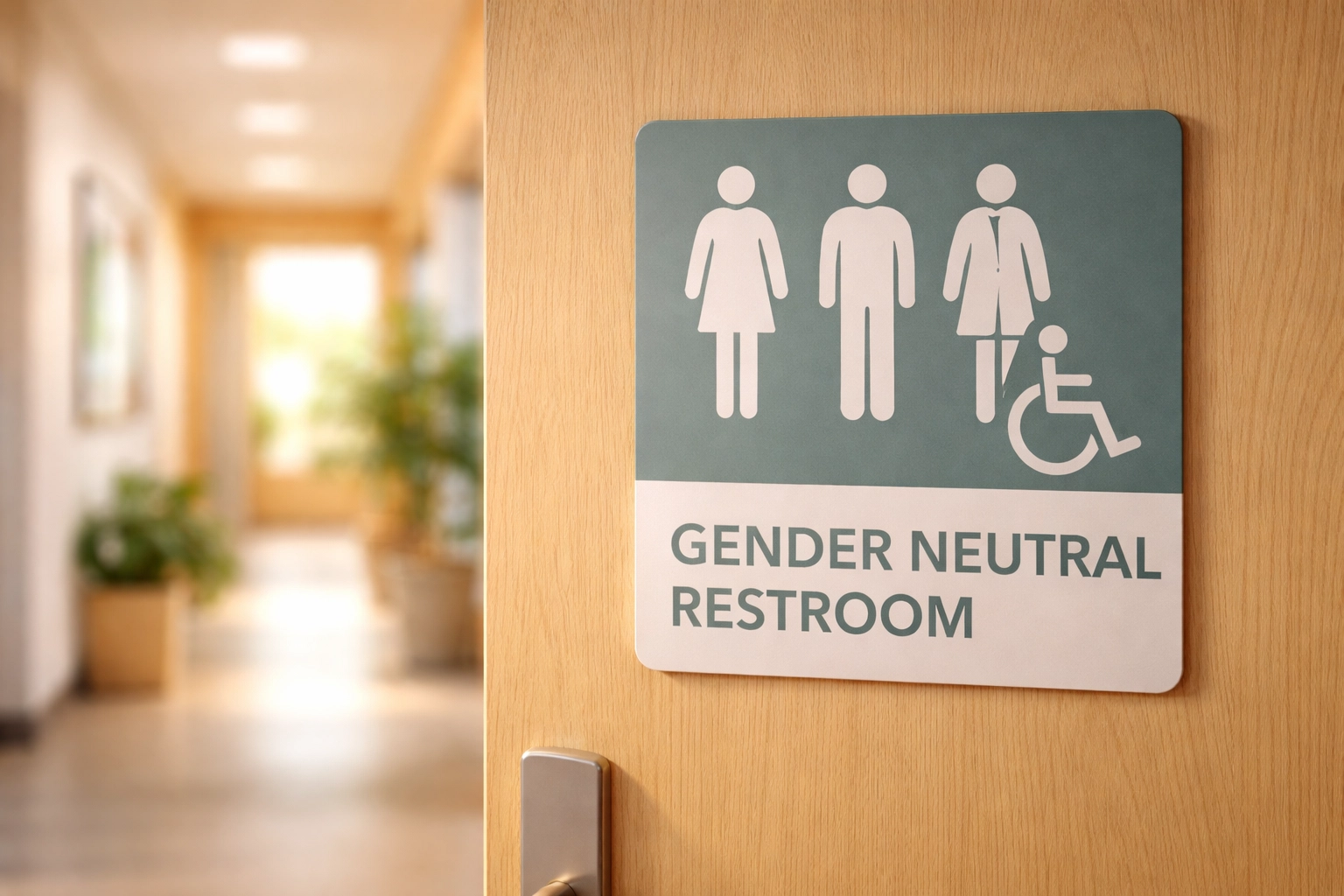
    Gender-neutral restroom sign in an accessible, LGBTQ+ friendly education facility hallway.

    Curriculum and Content That Reflects Diversity

    Pay attention to what's being taught and how. An inclusive instructor:

    • Uses examples and case studies that include LGBTQ+ people and experiences
    • Avoids unnecessarily gendered language ("Hey guys" for everyone, binary-only examples)
    • Acknowledges diverse perspectives and lived experiences
    • Doesn't put you on the spot to be the "spokesperson" for all trans people

    A Culture of Respect Among Students

    The instructor sets the tone, but fellow students matter too. Good learning environments:

    • Have clear community guidelines about respectful behavior
    • Address microaggressions and discrimination when they happen
    • Foster peer connections and collaborative learning
    • Make it clear that bigotry isn't welcome

    Types of Learning Opportunities to Explore

    Lifelong learning looks different for everyone. Here are some spaces where you might be searching for inclusive options:

    Adult Education and GED Programs

    Going back to school as an adult is brave. Finding a program where you won't have to fight for basic respect makes it possible to actually succeed. Look for community colleges, adult learning centers, and nonprofit programs that explicitly state their commitment to LGBTQ+ inclusion.

    Tutoring Services

    One-on-one learning can be incredibly effective, but it also means you need to feel completely comfortable with your tutor. Whether you're working on math, test prep, a new language, or professional skills, finding a tutor who affirms your identity creates space for real growth.

    Workshops and Skill-Building Classes

    Cooking classes, coding bootcamps, art workshops, professional development seminars, these shorter-term learning experiences are everywhere. The challenge is figuring out which ones will actually be welcoming spaces.

    Adult learners of different backgrounds in a vibrant, inclusive workshop participating in hands-on activities.

    Trade Schools and Vocational Training

    Learning a trade is a fantastic path to a stable career. Electricians, plumbers, cosmetologists, medical technicians, these skilled professionals are always in demand. But trade programs can sometimes feel like old-school spaces. Seeking out lgbtq friendly businesses in vocational education means you can build your skills without building up your defenses.

    Online Learning Platforms

    Virtual classrooms have their own considerations. While you might have more control over your environment, you're still interacting with instructors and sometimes fellow students. Look for platforms with clear anti-discrimination policies and options to display your chosen name.

    How to Find Trans-Friendly Learning Spaces

    Okay, so you know what to look for. But how do you actually find these affirming spaces?

    Ask the Right Questions

    Before signing up, reach out and ask directly:

    • "What's your policy on using students' chosen names and pronouns?"
    • "Are there gender-neutral restrooms available?"
    • "How do you handle situations where a student experiences discrimination?"
    • "Do you have experience working with transgender students?"

    The way they respond tells you a lot. Enthusiasm and clear answers? Good sign. Confusion, defensiveness, or "we treat everyone the same"? Red flag.

    Look for Visible Signs of Inclusion

    Check their website and materials for:

    • Explicit non-discrimination statements that include gender identity
    • Use of inclusive language throughout
    • Diverse representation in photos and testimonials
    • Resources or links related to LGBTQ+ support

    Use an Inclusive Business Directory

    This is exactly why resources like Trans Friendly Shops exist. Instead of doing all the detective work yourself, you can search for educational services that have already been identified as welcoming to our community.

    An inclusive business directory takes the guesswork out of it. You can search for listings in your area and find tutors, workshops, and educational programs that other trans folks have vetted and recommended.

    Tap Into Community Knowledge

    Your local LGBTQ+ community is a goldmine of information. Ask around in:

    • Local trans support groups
    • LGBTQ+ community centers
    • Online forums and social media groups
    • Pride organizations

    Word of mouth from people who've been there is invaluable.

    Advocating for Yourself (When You Have the Energy)

    Sometimes you'll end up in a space that's not quite there yet on inclusion. If you have the bandwidth: and only if you do: here are some ways to advocate:

    • Educate gently: Some instructors genuinely want to do better but don't know how. A quick conversation can make a difference.
    • Provide resources: Point them toward guides on inclusive teaching practices.
    • Give feedback: Many programs have feedback forms. Use them.
    • Connect them to directories: Suggest they add their listing to transgender friendly businesses directories once they've done the work.

    But here's the thing: it's not your job to educate everyone. Sometimes the best choice is to find a different space that already gets it.

    Tutor and student engaging warmly at a cozy table, illustrating safe, trans-affirming educational support.

    You Deserve to Learn in Peace

    Education should expand your world, not shrink it. You deserve to walk into a classroom, workshop, or tutoring session and focus on learning: not on protecting yourself.

    The right learning environment is out there. It might take some searching, some asking around, and some trusting your gut when something feels off. But when you find it? That's when the magic happens. That's when you can actually grow.

    So go ahead: sign up for that class, hire that tutor, explore that new skill. Your education matters, and so does your safety. You can absolutely have both.

    Ready to find inclusive educational resources near you? Start your search and discover lgbtq friendly businesses that are ready to support your learning journey.

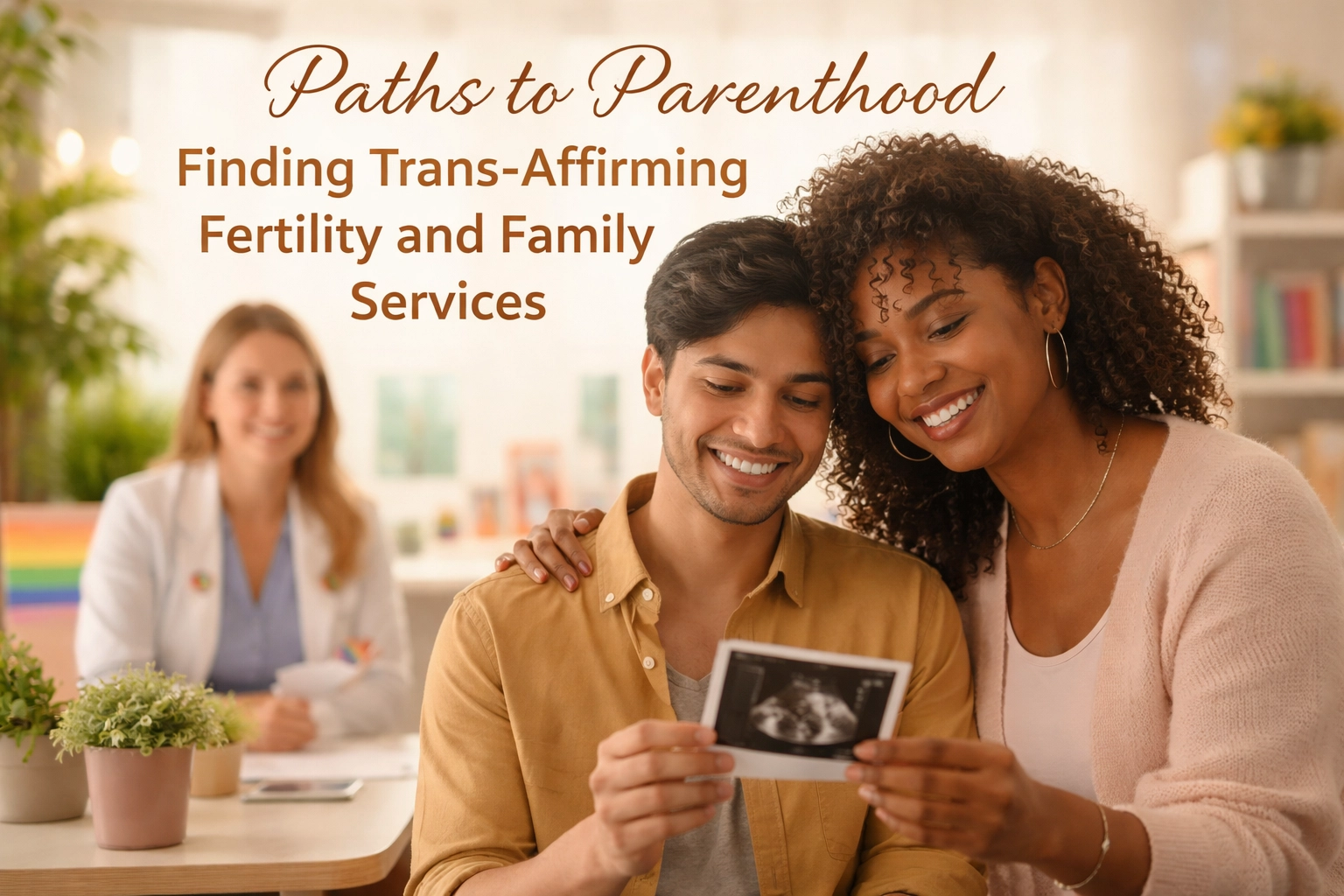
  • Paths to Parenthood: Finding Trans-Affirming Fertility and Family Services

    Paths to Parenthood: Finding Trans-Affirming Fertility and Family Services

    Starting or growing a family is one of life's most exciting journeys. It's also one of the most personal. For trans individuals and couples, that journey often comes with extra layers of consideration: medical, emotional, and logistical. The good news? There are more pathways to parenthood than ever before, and finding providers who truly understand and affirm your identity can make all the difference.

    Whether you're just starting to think about your options, actively preserving your fertility, or ready to dive into the adoption process, this guide is here to help you navigate the landscape of trans-affirming fertility and family services.

    Why Affirming Care Matters So Much

    Let's be real: walking into any healthcare setting as a trans person can feel like a dice roll. Will they use the right name? Will they understand your body? Will you have to educate them while you're supposed to be the one receiving care?

    When it comes to something as vulnerable as building a family, that stress multiplies. You're not just asking for basic respect: you're entrusting someone with your reproductive future and, potentially, your future children.

    Affirming providers change everything. They understand trans bodies. They know the right questions to ask (and the wrong ones to avoid). They create spaces where you can focus on the exciting parts of this journey instead of bracing for microaggressions. And increasingly, major medical organizations are affirming what the trans community has always known: transgender identity should never be a barrier to accessing fertility services.

    Diverse couple planning their family journey together in a sunlit, welcoming living room.

    Fertility Preservation: Your Options

    If you're considering or already undergoing hormone therapy or gender-affirming surgery, fertility preservation is worth discussing early in your transition journey. The more information you have upfront, the more choices you'll have down the road.

    For Trans Men and Transmasculine Folks

    If you were assigned female at birth, you have several preservation options:

    • Oocyte (egg) cryopreservation: Eggs are collected after controlled ovarian stimulation and frozen for future use.
    • Embryo cryopreservation: If you have a partner or want to use donor sperm now, you can create and freeze embryos.
    • Ovarian tissue freezing: A newer option that involves freezing ovarian tissue for potential future use.

    Here's some reassuring news: even if you've already started testosterone, these procedures may still be possible. It typically requires temporarily pausing hormone therapy, which is a conversation to have with a knowledgeable provider who can walk you through the process with sensitivity.

    For Trans Women and Transfeminine Folks

    If you were assigned male at birth, sperm freezing is the primary preservation method. Collection is usually straightforward: either at home or at a clinic: and frozen sperm can be preserved indefinitely. This gives you flexibility to use it years down the line, whether with a partner, through insemination, or via surrogacy.

    The key takeaway? Have these conversations early. An affirming fertility specialist can help you understand your timeline and options without judgment.

    Pathways to Parenthood After Transition

    Preserving fertility is just one piece of the puzzle. Let's talk about what comes next: the actual family-building part.

    Inviting fertility clinic consultation room offering inclusive, transgender friendly services.

    Using Preserved Eggs or Embryos

    Trans men who have frozen eggs or embryos have a couple of paths forward:

    • Gestational surrogacy: A gestational carrier carries the pregnancy using your preserved eggs or embryos.
    • Carrying a pregnancy yourself: If you haven't had a hysterectomy and wish to carry, this remains an option for some trans men.
    • Egg or embryo donation: If you didn't preserve your own eggs, donor eggs are available.

    Using Preserved Sperm

    Trans women with frozen sperm also have flexible options:

    • Partner insemination: If you have a female partner who can carry, your preserved sperm can be used for insemination.
    • Gestational surrogacy: Donor eggs can be fertilized with your frozen sperm and implanted in a gestational carrier.

    Adoption and Foster Care

    Of course, biological reproduction isn't the only path to parenthood: and for many, it's not the desired one. Adoption and foster care are beautiful ways to build a family.

    Finding a trans-affirming adoption agency is crucial. You want an agency that:

    • Has experience working with LGBTQ+ families
    • Understands different family structures
    • Won't make you jump through extra hoops because of your identity
    • Connects you with birth parents or foster systems that are also affirming

    The landscape varies by state and country, so working with an agency that knows the specific legal and social terrain is invaluable.

    Finding Your Team: Clinics, Doulas, and Beyond

    Building a family often takes a village of professionals. Here's how to find ones who will actually support you.

    Fertility Clinics

    Not all fertility clinics are created equal when it comes to trans care. When researching clinics, look for:

    • Explicit mention of transgender fertility services on their website or materials
    • Staff training in LGBTQ+ competency
    • Coordinated care teams that include legal counseling and emotional support (some facilities offer this all under one roof)
    • Positive reviews or testimonials from other trans patients

    Many academic medical centers now have dedicated reproductive endocrinology teams trained specifically in transgender fertility needs. Don't be afraid to ask direct questions: "What experience does your team have working with trans patients?" The answer will tell you a lot.

    Pregnant individual being supported by a trans-affirming doula during a prenatal visit.

    Doulas and Birth Support

    If pregnancy is part of your path, having a doula who gets it can be transformative. A trans-affirming doula will:

    • Use your correct name and pronouns throughout pregnancy and birth
    • Advocate for you in medical settings
    • Understand the unique emotional landscape of pregnancy as a trans person
    • Help you prepare for navigating hospital systems that may be less informed

    Look for doulas who specifically advertise LGBTQ+ or trans-inclusive services. Many have additional training in supporting queer and trans births.

    Therapists and Counselors

    The emotional side of family building deserves just as much attention as the medical side. A therapist who specializes in LGBTQ+ family issues can help you process:

    • Feelings about fertility preservation and bodily autonomy
    • Relationship dynamics during the family-building process
    • Anxiety about navigating institutions as a trans parent
    • The joys and challenges of parenthood itself

    Questions to Ask Any Provider

    Walking into an appointment armed with the right questions can save you time and heartache. Here are some to keep in your back pocket:

    1. What experience do you have working with transgender patients?
    2. How do you handle name and pronoun usage in your practice?
    3. What does your intake paperwork look like? (Bonus points if it's already inclusive.)
    4. Can you connect me with other trans patients or families who've worked with you?
    5. What support services do you offer beyond the medical treatment itself?

    A provider who answers these questions confidently and warmly is likely a good fit. One who stumbles or gets defensive? Keep looking.

    Two parents lovingly holding their newborn in a sunlit nursery, celebrating transgender friendly parenthood.

    You Deserve This Journey

    Here's the thing: you deserve to become a parent if that's what you want. You deserve providers who see you, respect you, and have the knowledge to support your unique path. You deserve to feel excited about this chapter instead of exhausted by it.

    The medical community is catching up. Major organizations like the American Society for Reproductive Medicine and the World Professional Association of Transgender Health now affirm that trans individuals should have equal access to fertility services. More providers are getting trained. More resources are becoming available.

    And that's exactly why resources like our inclusive business directory exist: to help you find transgender friendly businesses and services that have been vetted by the community, for the community.

    Start Your Search

    Ready to find affirming fertility clinics, doulas, or family services near you? Browse our directory of services to discover providers who are ready to support your path to parenthood.

    Your family is waiting. Let's help you find the right team to get there. 💜

  • How to Find a Trans Friendly Barber or Salon (No Awkward Explanations Required)

    How to Find a Trans Friendly Barber or Salon (No Awkward Explanations Required)

    Let’s talk about something that should be simple but somehow became one of the most anxiety-inducing activities in existence: getting a haircut.

    For most people, it’s a quick trip to the salon or barbershop, maybe some small talk about the weather, and boom, fresh cut. But if you’re trans, nonbinary, or gender non-conforming, the whole experience can feel more like preparing for a job interview you didn’t apply for. One where you might have to explain your entire identity to someone holding sharp objects near your head.

    Sound familiar? Yeah, we thought so. Let’s fix that.

    Why Haircuts Hit Different When You’re Trans

    Here’s the thing nobody really talks about: hair is deeply personal. It’s one of the most visible ways we express who we are. For trans folks, a haircut isn’t just maintenance, it can be a crucial part of affirming your identity, easing dysphoria, or finally seeing yourself in the mirror.

    But the path to that perfect cut? It’s often paved with awkward moments:

    • Walking into a “men’s” barbershop and getting those looks
    • Explaining to a confused stylist that yes, you really do want that style
    • Being misgendered repeatedly during a 45-minute appointment
    • The dreaded “but are you sure?” when you ask for something that doesn’t “match” how they perceive your gender

    None of this is okay. And honestly? You shouldn’t have to brace yourself for a haircut like you’re going into battle.

    A person waits anxiously in a salon, capturing the stress of finding a trans friendly barber for a gender-affirming haircut.

    What Actually Makes a Barber or Salon “Trans Friendly”?

    Before we dive into how to find one, let’s talk about what a trans friendly barber or trans friendly salon actually looks like. Because slapping a rainbow sticker on the window during Pride month doesn’t quite cut it (pun intended).

    A genuinely affirming space typically includes:

    Gender-Neutral Pricing

    No more “men’s cuts” and “women’s cuts” with wildly different prices. Trans friendly salons often price by hair length, complexity, or time, not by the gender they assume you are.

    Staff Training That Goes Beyond the Basics

    The best spots invest in actual training on how to serve trans and nonbinary clients. This means understanding different hair textures, masculine and feminine styling techniques regardless of the client’s appearance, and, crucially, how to not make it weird.

    No Assumptions, Just Questions

    A good stylist asks what you want without projecting their expectations onto you. “What are we going for today?” hits way different than “So… you want it like a boy’s cut?”

    Respectful Environment

    This means correct pronoun usage, private consultations if needed, and a general vibe that says “you belong here” instead of “we’re tolerating you.”

    Visible Allyship

    Look for businesses that openly market themselves as LGBTQ friendly businesses, on their website, social media, or through directories like ours. If they’re proud to serve the community, they’ll usually say so.

    The Practical Guide to Finding Your Perfect Spot

    Okay, enough theory. Let’s get you into a chair where you can actually relax. Here’s how to track down a trans friendly barber or salon near you without playing identity roulette.

    1. Use LGBTQ+ Business Directories

    This is the easiest hack, honestly. Instead of Googling blindly and hoping for the best, use directories specifically designed to list LGBTQ friendly businesses.

    That’s literally why we built Trans Friendly Shops. Our search feature lets you find vetted, affirming businesses in your area, including barbers and salons that get it. No awkward phone calls asking “um, are you cool with trans people?” required.

    Other resources worth checking:

    • Strands For Trans – A global network specifically for trans-affirming barbershops and salons
    • LGBTQIA Hub – Another solid directory searchable by location
    • Apple Maps curated guides – Some cities have “Queer-Safe Salons & Barbers” guides
    A diverse barbershop scene showing a barber consulting with a smiling client, illustrating an inclusive LGBTQ friendly salon.

    2. Check Social Media and Reviews

    Before booking, do a little recon. Look at the salon’s Instagram or Facebook. Do they:

    • Share content celebrating LGBTQ+ clients?
    • Use inclusive language?
    • Feature diverse haircuts and styles?

    Then hit up Google or Yelp reviews. Search for keywords like “trans,” “nonbinary,” “inclusive,” or “gender” in the reviews. Other community members often leave breadcrumbs about their experiences.

    3. Ask the Community

    Sometimes the best recommendations come from people who’ve been there. Local trans support groups, Reddit communities (r/trans, r/nonbinary, city-specific LGBTQ+ subreddits), and Facebook groups can be goldmines for finding that perfect stylist who “just gets it.”

    Don’t be shy about asking. Most folks are happy to share their go-to spots.

    4. Call Ahead (If You Want To)

    Not everyone wants to do this, and that’s totally valid. But if it helps ease your anxiety, a quick call can tell you a lot. You might ask:

    • “Do you have experience with trans or nonbinary clients?”
    • “How do you handle pricing for different styles?”
    • “Can I book with a specific stylist who’s familiar with [type of cut you want]?”

    Their response, both what they say and how they say it, will tell you everything you need to know.

    5. Trust Your Gut on the First Visit

    Even with research, sometimes you won’t know until you’re there. Pay attention to how you’re greeted, whether staff use neutral language, and the overall energy of the space. A good salon should feel like a relief, not a test.

    And hey, if it doesn’t work out? You’re not obligated to go back. Keep searching until you find your people.

    A joyful person smiles at their reflection in a salon mirror, celebrating a confident, gender-affirming haircut experience.

    What to Expect When You Find “The One”

    When you finally land in a chair at a truly affirming barbershop or salon, it’s kind of magical. Here’s what that experience typically looks like:

    • A genuine consultation where your stylist listens to what you want and asks clarifying questions without judgment
    • Correct name and pronouns used throughout (and quick, graceful corrections if there’s a slip)
    • Expertise that matches your needs: whether that’s a tight fade, a femme blowout, or something beautifully in between
    • Zero weird comments about your body, voice, or “journey”
    • Walking out feeling like yourself: maybe for the first time in a while

    That last one? That’s the goal. And you deserve it every single time you get a haircut.

    You Shouldn’t Have to Settle

    Look, we know it can feel exhausting to vet every single service provider in your life. But your comfort and safety matter. And the good news is that more and more businesses are stepping up to create genuinely welcoming spaces.

    Our whole mission at Trans Friendly Shops is to make finding those spaces easier. We’re building a directory of LGBTQ friendly businesses so you can spend less time researching and more time living your life: with great hair.

    Ready to find your new favorite spot? Start your search here.

    And if you’re a barber or salon owner who wants to be part of the solution? Add your listing and let the community know you’ve got their backs (and their bangs).

    Because everyone deserves a haircut that makes them feel like themselves. No explanations necessary.