
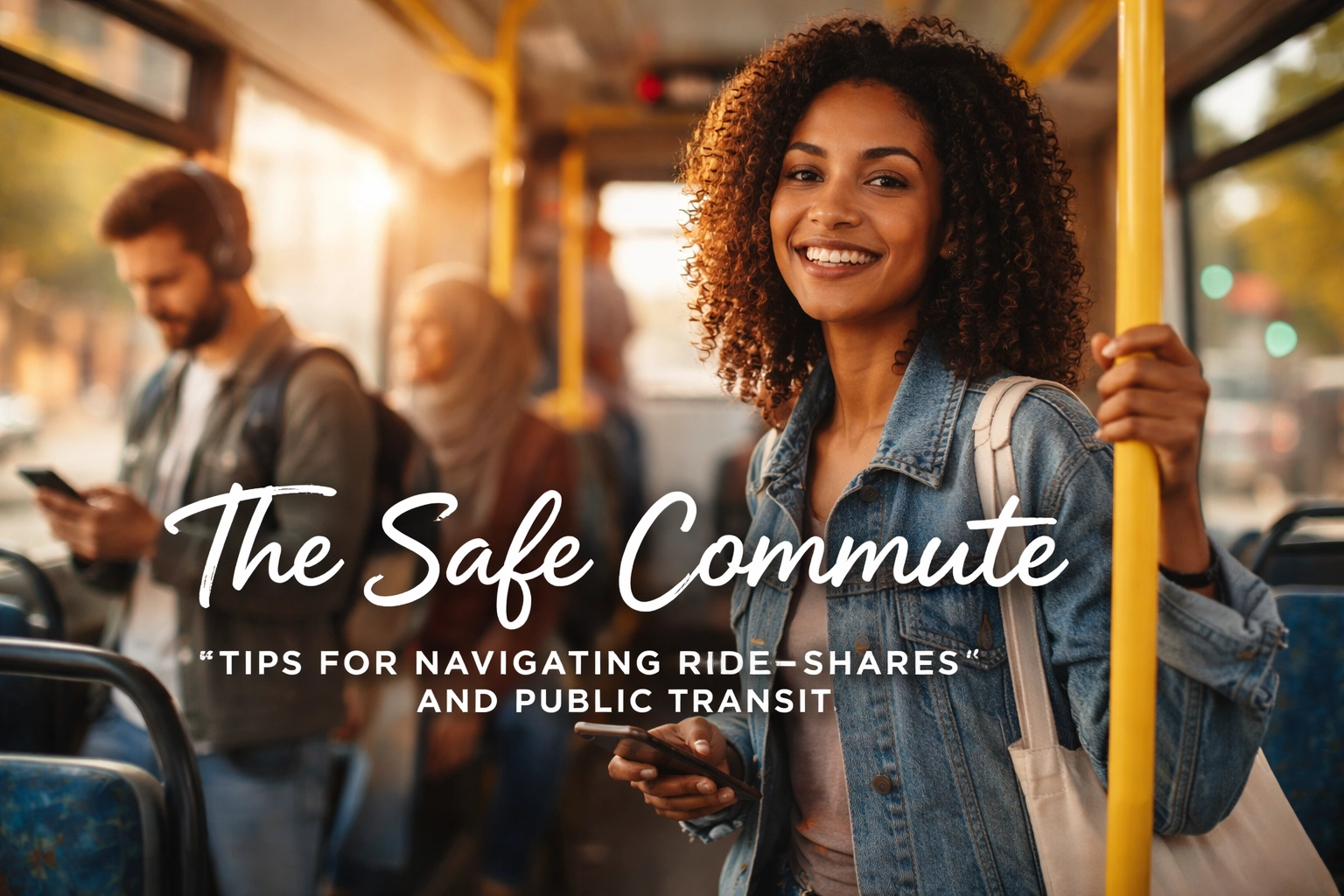
Let's be real for a second: sometimes just getting from point A to point B can feel like the hardest part of the day.
For many trans and non-binary folks, "transit anxiety" is a very real thing. It's that knot in your stomach when you step onto a crowded bus. It's the split-second risk assessment you do before getting into a stranger's car. It's the mental math of choosing an outfit that helps you blend in versus one that makes you feel like you.
You deserve to move through the world safely and freely. And while we can't wave a magic wand and make every commute perfect, we can share some practical tips, community-tested strategies, and a little reassurance that you're not alone in this.
Let's talk about navigating ride-shares and public transit: on your terms.
Why "Transit Anxiety" Hits Different
For cisgender people, hopping in an Uber or taking the subway is usually just… transportation. For trans and non-binary individuals, it can be a minefield of potential misgendering, invasive questions, or worse: outright hostility.
Think about it:
- Your legal ID might not match your presentation.
- Your voice might "clock" you to a driver who seemed friendly at first.
- Crowded trains mean close quarters with strangers who may stare or comment.
- Late-night rides home can feel especially vulnerable.
None of this is your fault. And none of it means you should have to stay home. It just means we need to be a little more prepared: and a lot more protective of ourselves.

Ride-Share Safety: Before You Even Get in the Car
The golden rule? Verify everything before you open that door.
Ride-share apps like Uber and Lyft show you the driver's name, photo, and vehicle details (make, model, license plate) for a reason. Use them. Every single time.
Here's a pro tip that safety experts swear by: Don't say your name first. Instead, ask the driver, "Who are you here to pick up?" If they can't answer correctly, don't get in. This simple switch prevents bad actors from pretending to be your driver just because they overheard your name.
A few more things to do before you slide into that backseat:
- Request your ride while you're still indoors. Waiting alone on a curb with your phone out makes you a target. Stay inside a building, coffee shop, or lobby until your ride is a minute away.
- Wait in well-lit, high-traffic areas. Visibility is your friend.
- Check the child safety locks. This sounds paranoid, but some locks can be activated by the driver, trapping you in the backseat. A quick check takes two seconds and can save you a world of panic.
During the Ride: Staying Alert Without Staying Anxious
Once you're in the car, your job is to stay aware without spiraling into hypervigilance. Easier said than done, right? Here are some practical ways to stay grounded:
Sit in the back seat. This gives you physical distance from the driver and access to exit from either side of the vehicle. It's a small thing that makes a big difference.
Share your trip with someone you trust. Most ride-share apps have a built-in feature that lets a friend or family member track your ride in real-time. Use it. Let someone know where you are and when you expect to arrive.
Keep your own map open. Don't rely solely on the driver's navigation. Pull up Google Maps or Apple Maps on your phone and follow along. If they start taking weird detours, you'll know immediately.

Protect your personal info. Drivers don't need to know your full name, where you work, whether you live alone, or where you're traveling. Keep conversations light and vague. A simple "just heading home" is enough.
And here's the most important one: Trust your gut. If something feels off: the driver's energy, the route, anything: you are always allowed to end the ride. Ask to be let out in a safe, public place. Cancel the trip. Your safety is worth more than a cancellation fee.
Public Transit: Navigating Buses, Trains, and Subways
Public transit comes with its own set of challenges. You're sharing space with dozens of strangers, and you can't exactly ask the bus driver to take a different route.
But there are still ways to make your commute feel safer:
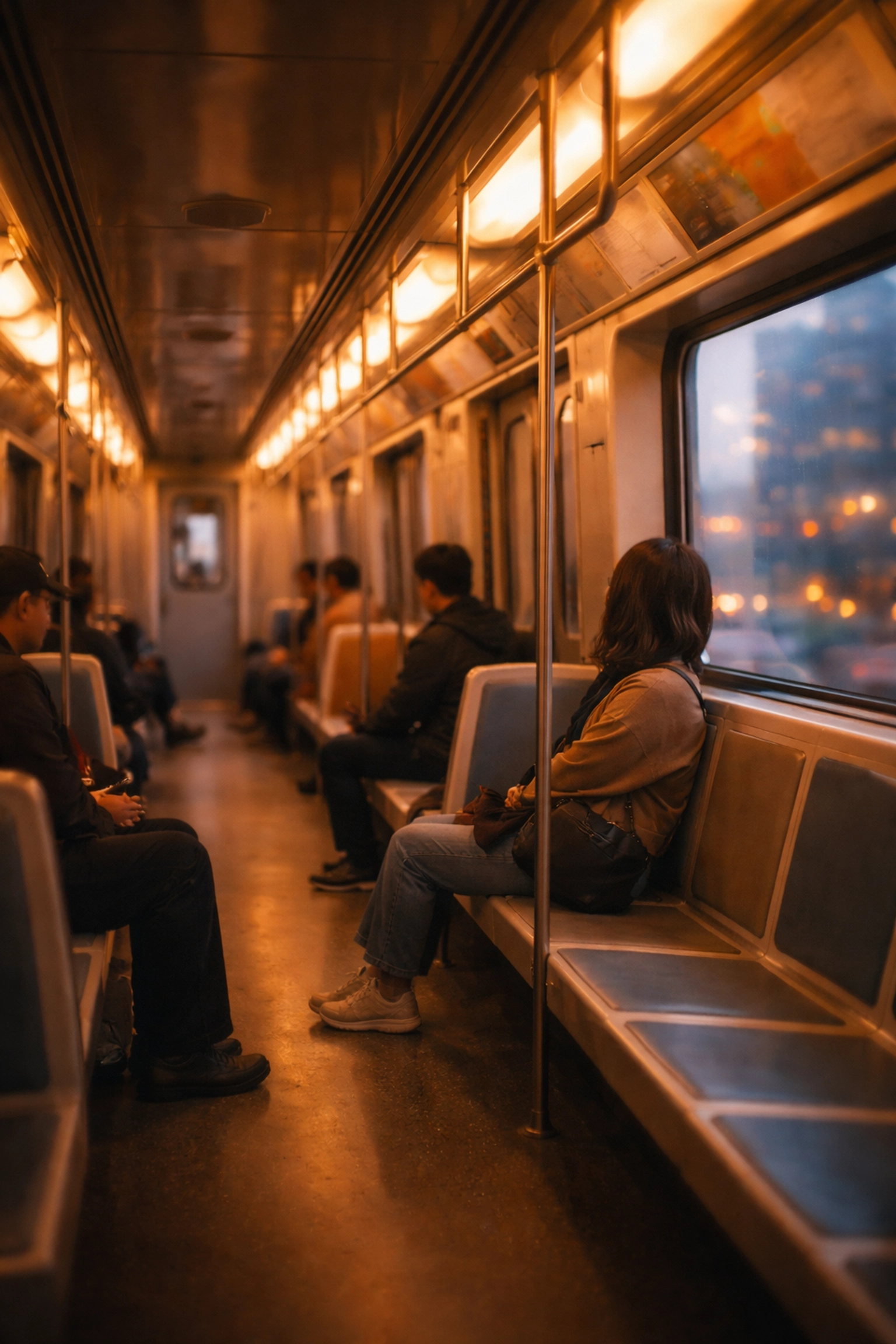
Choose your position wisely. If possible, sit near the driver or conductor: or in a car with other passengers. Avoid empty train cars, especially late at night. Being around other people (even strangers) can deter harassment.
Headphones can be your best friend… and your worst enemy. They're great for signaling "don't talk to me," but they also reduce your awareness of your surroundings. Consider wearing just one earbud, or keeping the volume low enough to hear what's happening around you.
Have an exit strategy. Know where the emergency intercoms and exits are. If someone is making you uncomfortable, move to a different part of the bus or train. You don't owe anyone an explanation.
Time your trips when you can. Rush hour is crowded and stressful, but it's also generally safer than traveling late at night on an empty train. If you have flexibility, consider adjusting your schedule.
Handling Uncomfortable Situations
Sometimes, despite all your preparation, things go sideways. Someone misgenders you. A driver asks invasive questions. A fellow passenger won't stop staring.
Here's your permission slip: You don't have to educate anyone.
You're not obligated to explain your identity, correct someone's assumptions, or smile through discomfort to make them feel better. Your only job is to get where you're going safely.
Some responses to keep in your back pocket:
- For invasive questions: "I'd rather not chat, thanks." (Then headphones in, conversation over.)
- For misgendering: Correct them if you feel safe doing so, or let it go if engaging feels risky. Neither choice is wrong.
- For outright hostility: Remove yourself from the situation as quickly and calmly as possible. If you're in a ride-share, ask to be let out in a public area. If you're on public transit, move to another car or alert the driver/conductor.
If you ever feel genuinely threatened, call 911 or make noise. Shout. Draw attention. Most people are bystanders who will help if they realize something is wrong.
Finding Inclusive Transportation Services
Here's where things get a little brighter.
While transportation is a broad category, using an inclusive business directory can help reduce that transit anxiety. Some cities have ride-share services or taxi companies that specifically train their drivers on LGBTQ+ sensitivity. Some transit authorities have implemented policies to protect transgender riders.
The challenge is finding them.
That's exactly why Trans Friendly Shops exists. Our directory helps you discover lgbtq friendly businesses and transgender friendly businesses in your area: including services you might not have thought to search for. Because knowing that the person behind the wheel gets it can make all the difference in the world.

You Deserve to Move Freely
At the end of the day, you shouldn't have to plan a military operation just to grab groceries or get to work. But until the world catches up, these strategies can help you navigate it a little more safely.
Remember:
- Verify your ride-share details before getting in.
- Share your trip with someone you trust.
- Trust your instincts: always.
- Use resources like our inclusive business directory to find services that respect and affirm who you are.
You belong in this world. You deserve to move through it freely. And we're here to help you find the people and places that make that journey a little easier.
Stay safe out there. 💜
Leave a Reply
You must be logged in to post a comment.