
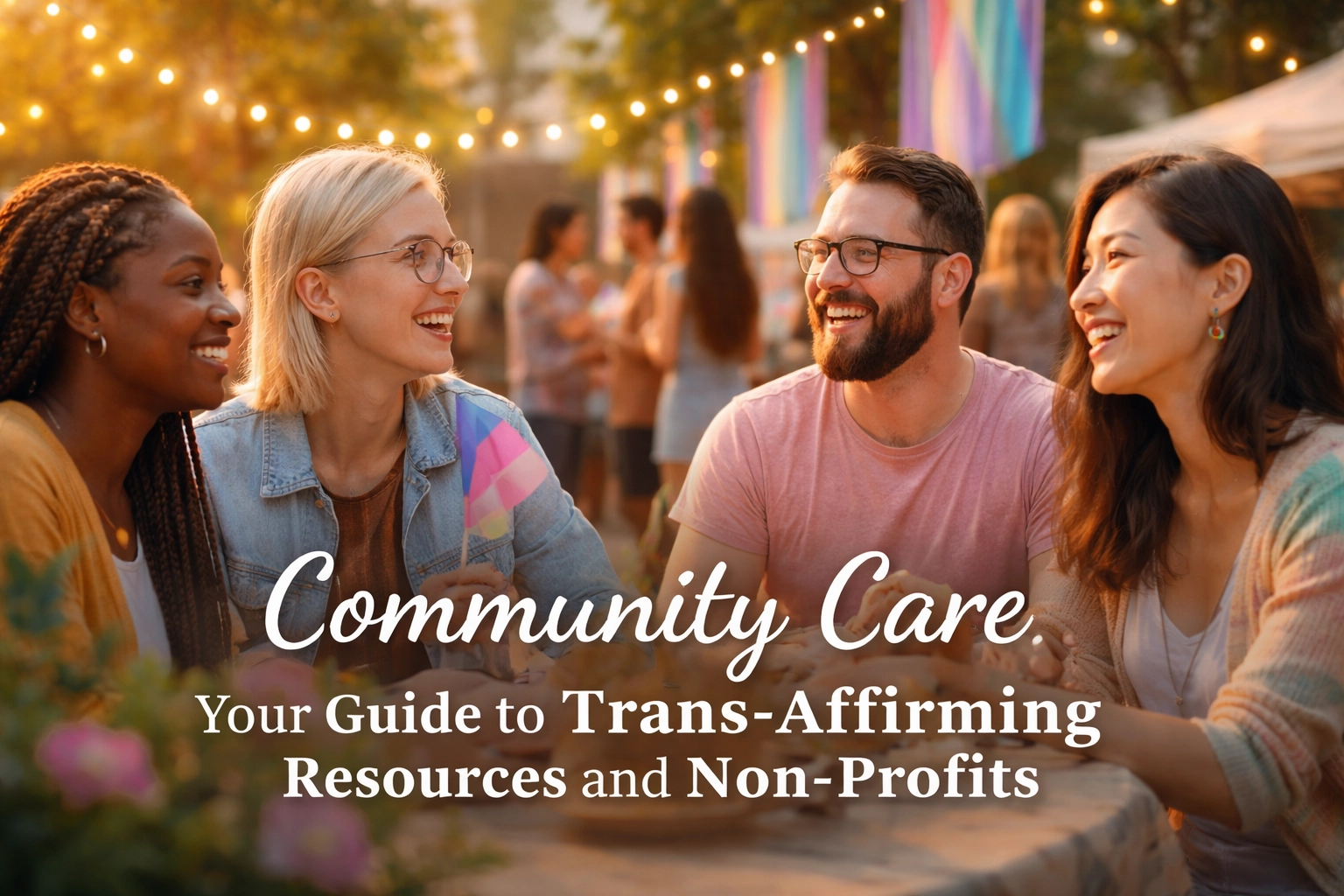
Let's be real: being trans in today's world can feel isolating. Whether you're navigating healthcare hurdles, legal name changes, workplace discrimination, or just looking for people who get it, having a supportive community isn't a luxury, it's essential.
The good news? You're not alone. There's a whole network of non-profits, mutual aid groups, and community organizations out there doing incredible work to support trans and gender-diverse folks. The tricky part is knowing where to find them and how to tell the genuinely affirming ones from those that are just slapping a rainbow on their website.
This guide is here to help you find trans-affirming resources, understand what different organizations offer, and build a support network that actually has your back.
Why Community Support Matters
Before we dive into the resources, let's talk about why this matters so much.
Studies consistently show that trans individuals who have access to supportive communities experience better mental health outcomes, increased resilience, and a stronger sense of belonging. Community isn't just about having people to hang out with, it's about survival, advocacy, and collective care.
When you're connected to organizations that understand your needs, you gain access to:
- Practical resources like healthcare referrals, legal aid, and financial assistance
- Emotional support from people who share similar experiences
- Advocacy that fights for your rights at local, state, and national levels
- Information about transgender friendly businesses and services in your area
Think of community organizations as your backup squad. They've done the legwork so you don't have to figure everything out alone.

Types of Trans-Affirming Organizations
Not all non-profits do the same thing, and that's actually great news. It means there's likely an organization out there that addresses your specific needs. Here's a breakdown of the main categories:
Legal and Policy Advocacy
These organizations fight for trans rights in courtrooms and legislatures. They work on things like anti-discrimination policies, healthcare access laws, and protecting trans youth.
Advocates for Trans Equality is one of the heavyweights in this space. Formed in 2024 from the merger of the National Center for Transgender Equality (NCTE) and Transgender Legal Defense and Education Fund (TLDEF), they bring decades of experience in legal and political advocacy. If you need help understanding your rights or want to get involved in policy work, they're a solid starting point.
Healthcare Access and Support
Accessing gender-affirming care can be complicated, expensive, and frustrating. Thankfully, several organizations exist specifically to help bridge that gap.
Point of Pride is a standout here. They offer direct financial assistance through multiple programs:
- Transgender Surgery Fund , scholarships for gender-affirming surgeries
- HRT Access Fund , up to 18 months of free hormone therapy and medical care
- Electrolysis Support Fund , help covering permanent hair removal
- Thrive Fund , grants for things like wigs, prosthetics, and vocal training
- Free chest binders and femme shapewear
If you're looking for healthcare providers specifically, WPATH (World Professional Association for Transgender Health) maintains standards of care and offers a provider search tool to connect you with qualified professionals in your area.
For more tips on finding affirming healthcare, check out our guide on gender-affirming healthcare near you.

Crisis and Peer Support
Sometimes you just need someone to talk to, especially during tough moments. These organizations provide immediate support:
The Trevor Project offers 24/7 crisis support specifically for LGBTQ+ young people. They provide counseling, peer support communities, and advocacy resources. If you're under 25 and struggling, they're available around the clock.
Trans Lifeline is a trans-led organization that offers peer support from people who truly understand what you're going through. They also run a microgrants program to help trans folks cover essential needs. The fact that it's run by trans people for trans people makes a real difference.
Local Community Centers
National organizations are great, but sometimes you need resources closer to home. Local LGBTQ+ community centers often provide a wide range of services under one roof.
Take Montrose Center in Houston as an example. They've been serving the LGBTQ+ community since 1978, offering everything from youth programs and senior support to housing assistance and substance use treatment. Many cities have similar centers that can connect you with local services, support groups, and community events.
PFLAG is another excellent resource, especially if you're looking for support that includes your family and loved ones. With chapters nationwide, they provide education and resources to help the people in your life better understand and support you.
How to Find Reliable Organizations in Your Area
Okay, so you know what types of organizations exist: but how do you actually find ones near you that are trustworthy?
Start with an LGBTQ Business Directory
An lgbtq business directory like Trans Friendly Shops can be an invaluable tool. While we focus on connecting you with transgender friendly businesses, we also help you discover local resources and services that have been vetted by the community.
Using an inclusive business directory saves you the guesswork. Instead of hoping a random Google result is actually affirming, you can find organizations and businesses that other trans folks have already tested and trusted.

Ask the Community
Word of mouth is still one of the best ways to find reliable resources. Local Facebook groups, Reddit communities (like r/asktransgender or city-specific trans groups), and Discord servers can point you toward organizations that have genuinely helped people.
Don't be afraid to ask questions like:
- "Has anyone used [organization name]? What was your experience?"
- "Looking for trans-affirming [service] in [city]. Any recommendations?"
Check for Red Flags
Unfortunately, not every organization that claims to be trans-friendly actually is. Here are some warning signs:
- Outdated language : If their website still uses terms like "transgendered" or deadnames trans people in materials, that's a red flag.
- No trans people involved : Organizations that serve trans people should ideally have trans people in leadership or advisory roles.
- Religious strings attached : Some organizations offer services but require participation in religious programs or hold beliefs that conflict with trans identities.
- Lack of transparency : Legitimate non-profits are usually upfront about their funding, leadership, and mission.
Trust your gut. If something feels off, it probably is.
How to Support These Organizations
Finding resources is step one. But if you're in a position to give back, supporting trans-affirming non-profits helps ensure they can continue their work.
Here are some ways to contribute:
- Donate : Even small amounts add up and help fund programs that directly support trans folks.
- Volunteer : Many organizations need help with everything from hotline staffing to event planning.
- Spread the word : Share their resources on social media or with friends who might benefit.
- Leave reviews : If you've had a positive experience with a transgender friendly business or organization, leave a review on platforms like Trans Friendly Shops to help others find them.

Building Your Personal Support Network
Organizations are fantastic, but don't overlook the power of building your own personal network too. This might include:
- Chosen family : Friends who support and affirm you unconditionally
- Online communities : Forums, Discord servers, and social media groups where you can connect with other trans folks
- Local meetups : Many cities have trans support groups, social events, or hobby groups
- Affirming professionals : Therapists, doctors, and other service providers who respect your identity
Your support network doesn't have to be huge. Even a handful of people who truly have your back can make all the difference.
You Deserve Care and Community
Navigating the world as a trans person comes with unique challenges, but you don't have to face them alone. Whether you need legal help, healthcare access, crisis support, or just a community that gets you, there are organizations and people ready to help.
Start by exploring resources through an inclusive business directory like Trans Friendly Shops to find transgender friendly businesses and services near you. Ask your community for recommendations. And remember: seeking support isn't a sign of weakness. It's an act of self-care.
You deserve spaces that affirm who you are. Let's find them together.
Leave a Reply
You must be logged in to post a comment.