
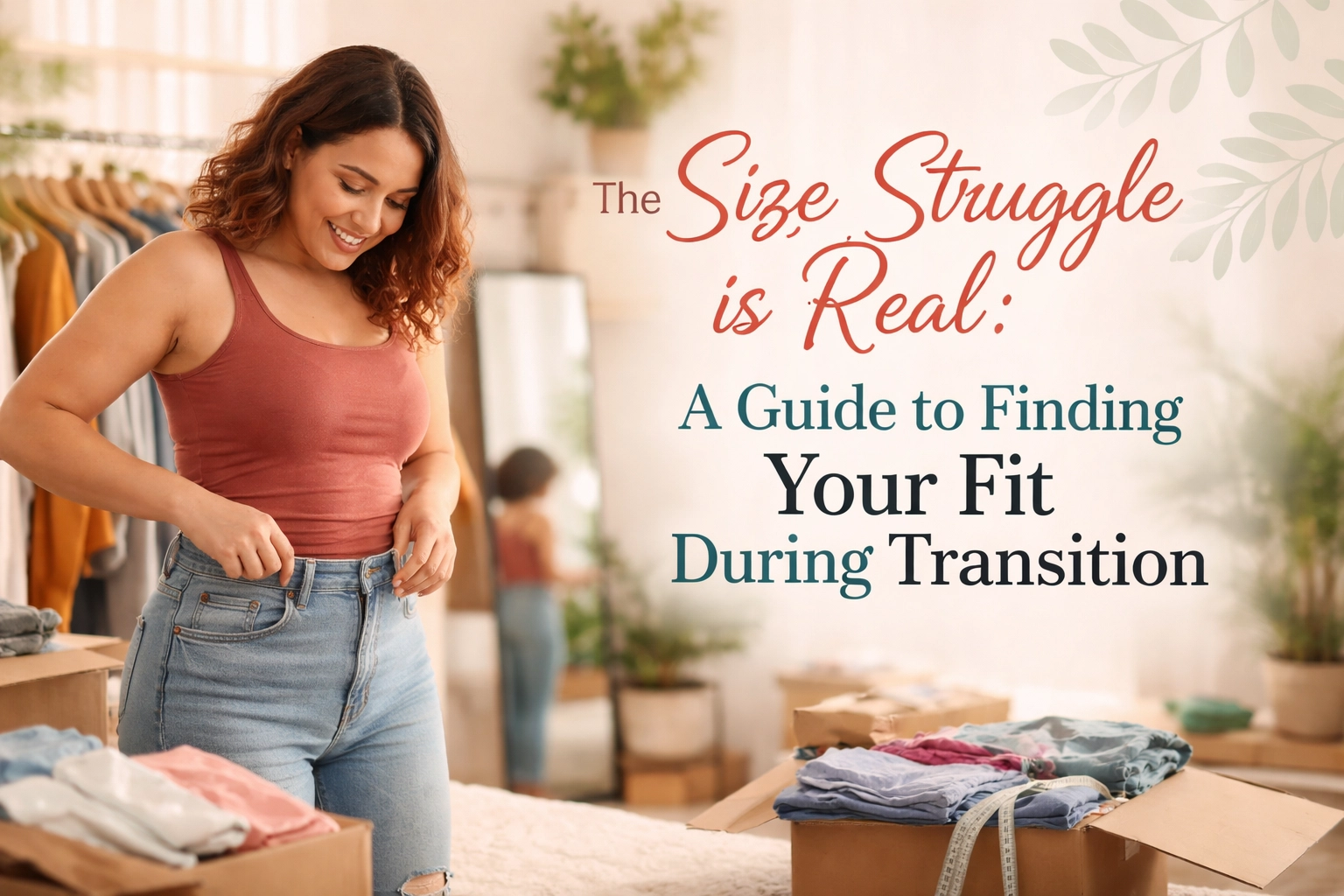
Let's be honest: clothing sizes are confusing for everyone. But when you're navigating your gender transition? It can feel like you need a PhD in mathematics just to buy a pair of jeans.
You're not imagining it, the sizing struggle is absolutely real. Between "men's" and "women's" sections that seem to exist in completely different universes, vanity sizing that changes from brand to brand, and the emotional weight of seeing certain numbers on a tag, shopping for clothes during transition can feel overwhelming.
But here's the good news: once you understand how sizing actually works and have a few practical tools in your back pocket, it gets so much easier. And finding transgender friendly businesses where the staff actually get it? That's a total game-changer.
Let's break it all down.
Why Is Gendered Sizing So Confusing?
First, let's validate your frustration. Gendered clothing sizes aren't just different, they're based on entirely different measurement systems.
Women's sizing in the US typically uses even numbers (2, 4, 6, 8…) or alpha sizing (XS, S, M, L). These numbers don't directly correspond to any actual body measurement. A size 8 at one store might fit like a size 12 at another. It's chaos.
Men's sizing tends to be more measurement-based, think waist and inseam for pants (like 32×30) or neck and sleeve length for dress shirts. But even then, "slim fit" versus "regular fit" versus "relaxed fit" can throw everything off.
When you're transitioning between these two systems, you're essentially learning a whole new language. And nobody handed you a dictionary.
Step One: Get Friendly With a Measuring Tape
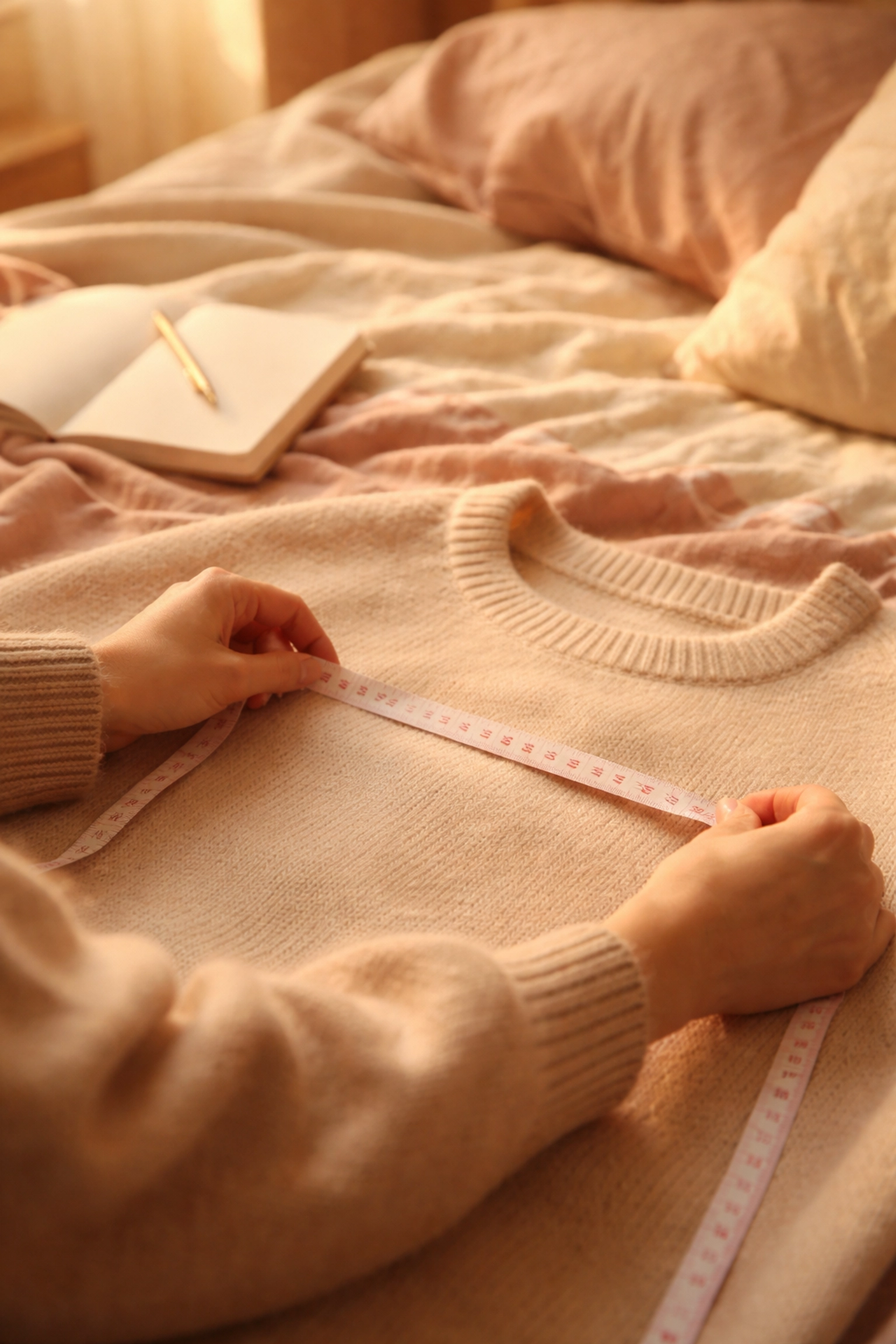
Before you even think about size charts, you need to know your actual body measurements. This is your secret weapon.
Grab a soft measuring tape (the kind used for sewing, not construction) and measure these key areas:
For tops and dresses:
- Chest/Bust: Measure around the fullest part of your chest, keeping the tape parallel to the floor
- Waist: Measure around your natural waistline (usually the narrowest part of your torso)
- Hips: Measure around the fullest part of your hips and butt
- Shoulders: Measure from one shoulder point to the other across your back
For pants:
- Waist: Same as above
- Hips: Same as above
- Inseam: Measure from your crotch to where you want your pants to end
Pro tip: Write these numbers down and keep them in your phone. When you're shopping online or in-store, you can compare your measurements directly to the brand's size chart instead of guessing.
Converting Between "Men's" and "Women's" Sizes
Okay, here's where it gets practical. While there's no perfect universal conversion (because fashion refuses to make sense), these general guidelines can help:
Tops:
- Women's sizes typically run about 1-2 sizes smaller than men's
- A men's medium often translates to roughly a women's large or XL
- For trans women: if you wore a men's small, start by trying women's medium or large
- For trans men: if you wore a women's large, try starting with men's small or medium
Pants:
- Women's pants sizes don't correlate directly to inches, so always check measurements
- Men's pants are usually listed in inches (waist x inseam)
- For trans women: measure your waist and hips, then use the brand's size chart
- For trans men: your waist measurement in inches is often close to your men's pants size
Shoes:
- Women's shoes typically run about 1.5-2 sizes higher than men's
- A men's size 9 is roughly a women's size 10.5-11
- Width can vary significantly: look for brands that offer wide or narrow options
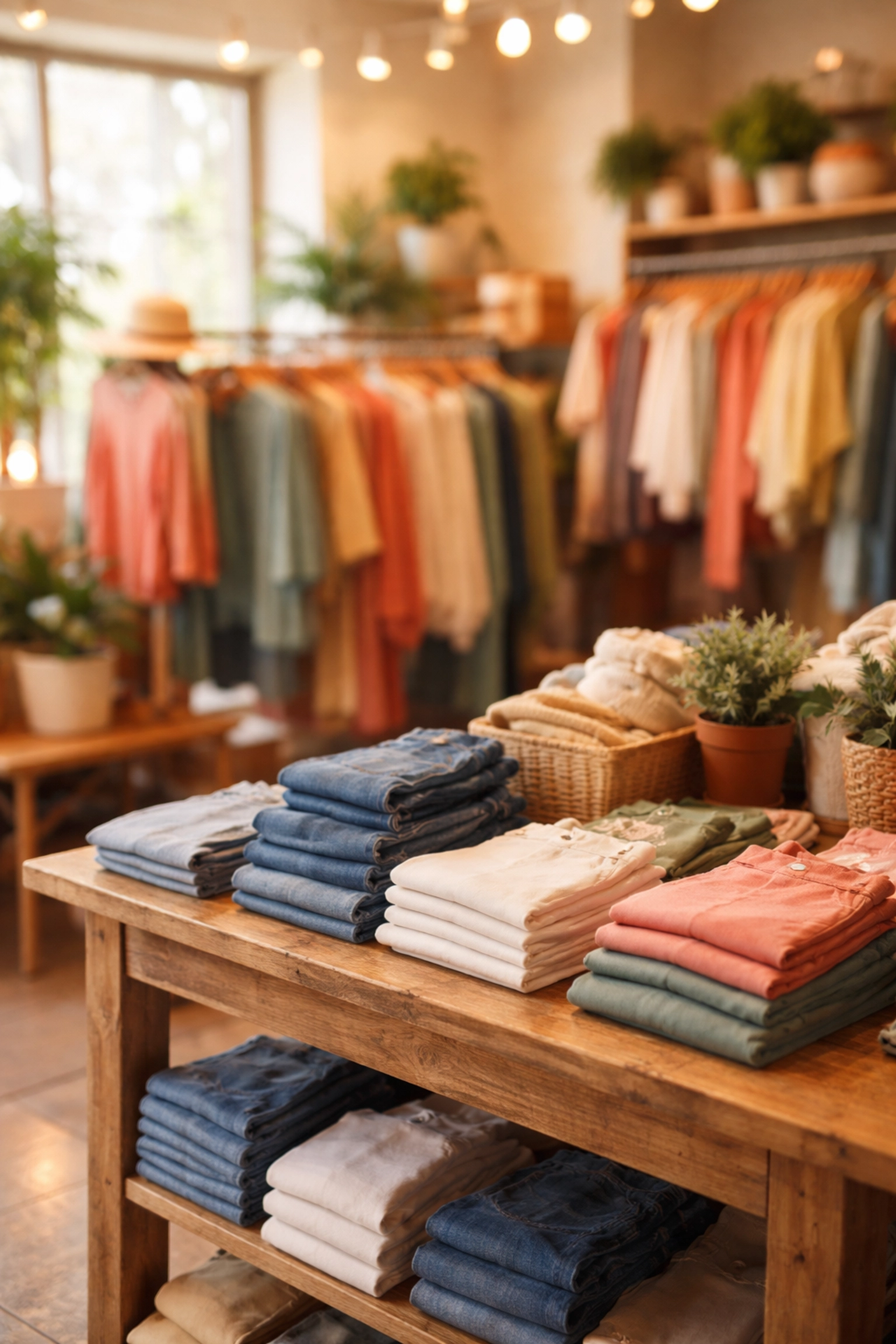
Fabric Matters More Than You Think
Here's a tip that can save you a lot of frustration: pay attention to the fabric content.
Stretchy fabrics (containing elastane, spandex, or lycra) are much more forgiving. They'll move with your body and accommodate different proportions. If you're between sizes or your body is changing with hormone therapy, stretchy materials are your friend.
Woven fabrics (like traditional denim or button-up shirt material) are more rigid and less forgiving. You might need to size up for comfort, and tailoring can be worth the investment to get the perfect fit.
Knits (t-shirts, sweaters) generally have more give than wovens, making them easier to fit across different body types.
Let's Talk About the Emotional Side
Can we get real for a second? Sizing isn't just about numbers: it's deeply emotional.
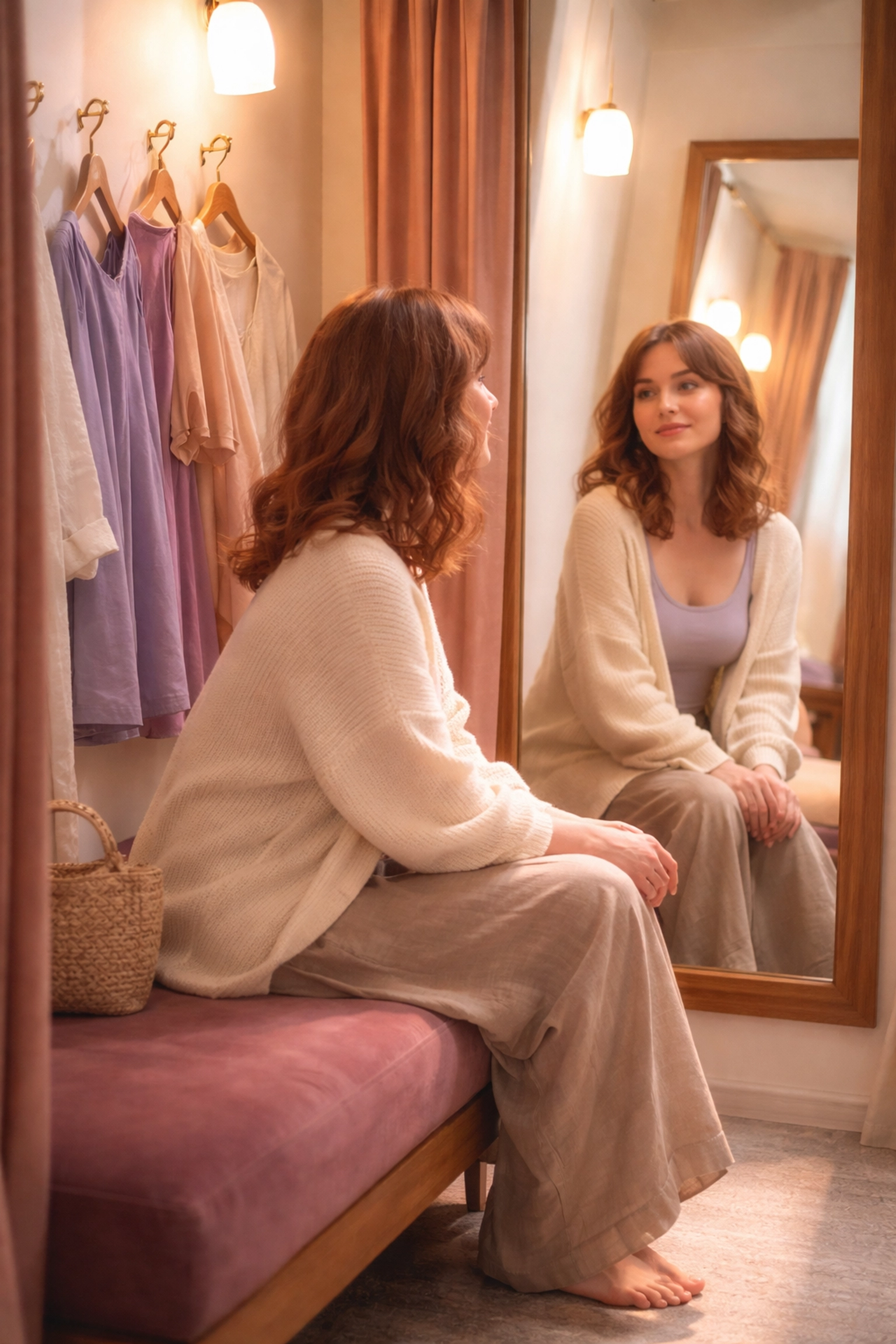
Seeing a size on a tag that doesn't align with what you expected can bring up a lot of feelings. Dysphoria might hit harder in a fitting room than almost anywhere else. You might feel frustrated, sad, or even angry that clothes weren't designed with your body in mind.
Here's what we want you to remember: the number on the tag means nothing about who you are.
Clothing sizes are arbitrary. They vary wildly between brands. They've changed dramatically over time (what was a size 8 in the 1950s would be labeled much smaller today). The only thing that matters is how the clothes make you feel when you're wearing them.
If a garment fits your body and makes you feel like yourself? That's the right size. Period.
Why Shopping at Inclusive Businesses Changes Everything
Now, here's where we get to the real game-changer: finding LGBTQ friendly businesses to shop at.
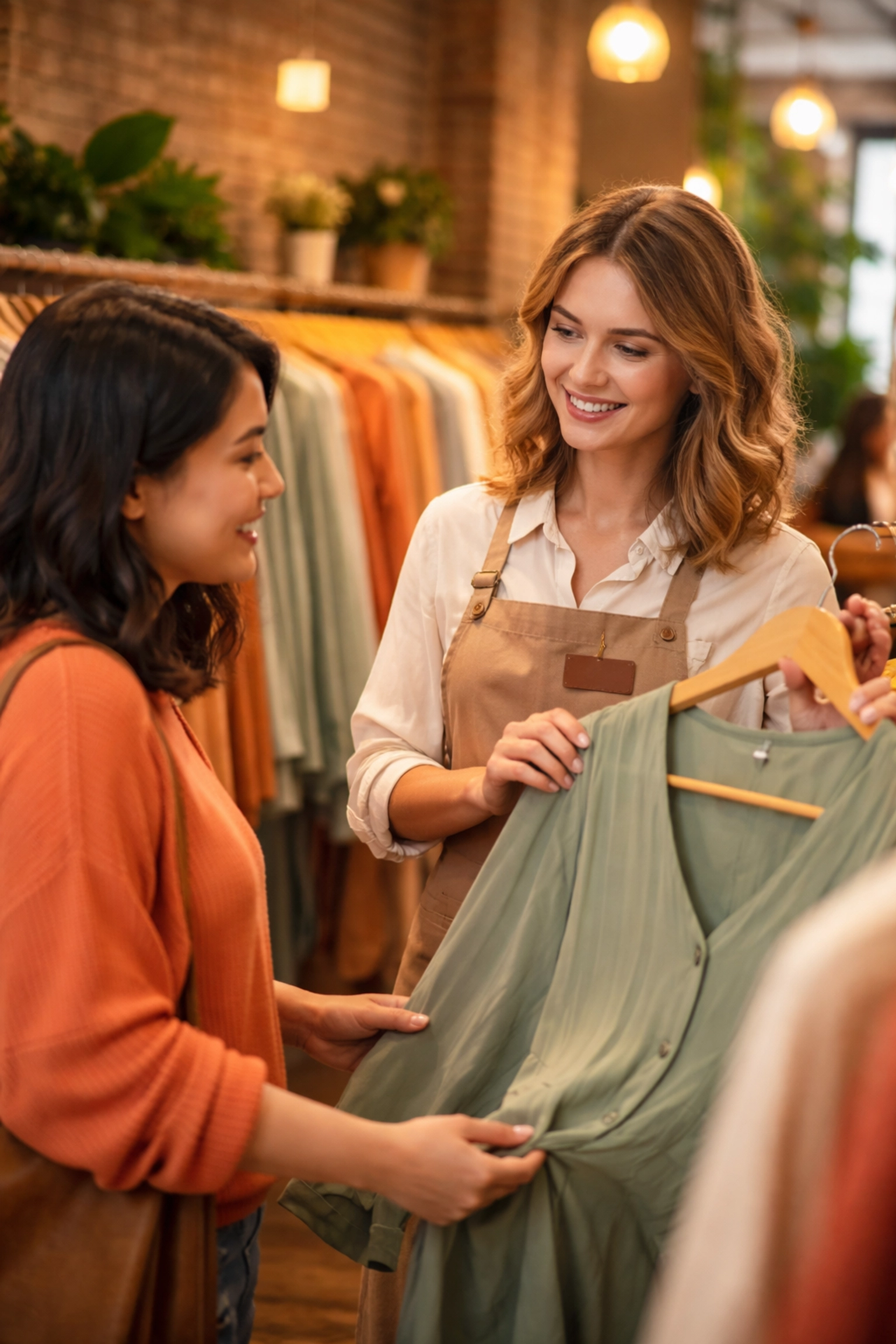
When you walk into a store where the staff have been trained (or simply understand) the trans experience, everything shifts. You can:
- Actually ask for help without fear of judgment or awkward explanations
- Use fitting rooms that match your gender identity without confrontation
- Get honest, helpful feedback from employees who understand what you're going for
- Feel safe exploring different styles and sizes
This is why we built Trans Friendly Shops: an inclusive business directory that helps you find stores, boutiques, and services where you'll be welcomed exactly as you are.
Instead of walking into a random store and hoping for the best, you can search our directory and find businesses that have been verified as supportive spaces. Whether you're looking for a local thrift shop with gender-neutral fitting rooms or a boutique that specializes in helping trans folks find their style, we've got you covered.
Practical Tips to Make Shopping Easier
Before we wrap up, here are some quick tips to keep in your back pocket:
- Always check the size chart for each specific brand: don't assume your size transfers
- Read reviews when shopping online; other customers often mention if items run large or small
- Order multiple sizes when possible and return what doesn't work
- Look for adjustable features like drawstrings, elastic waists, and wrap styles
- Consider tailoring for special pieces: a $15 alteration can make a $30 item look custom
- Shop with a supportive friend if trying on clothes alone feels overwhelming
- Take breaks if you're feeling emotionally drained: shopping doesn't have to happen all at once
You Deserve Clothes That Fit
Finding your size during transition isn't always easy, but it absolutely gets better with practice. Armed with your measurements, a basic understanding of how sizing works, and access to transgender friendly businesses that actually want to help you succeed, you've got this.
Your body is worthy of clothes that fit well and make you feel amazing. The right size isn't about the number: it's about finding pieces that let you show up in the world as your authentic self.
Ready to find inclusive shops near you? Browse our directory and discover businesses that can't wait to help you find your perfect fit.
Leave a Reply
You must be logged in to post a comment.