
Let's be real: searching for "gender affirming healthcare near me" can feel like stepping into a maze blindfolded. You know what you need, but finding a provider who actually gets it? That's a whole different challenge.
Whether you're just starting to explore your options or you've been on this journey for a while and need a new provider, this guide is here to help. We're going to break down what gender-affirming care actually means (spoiler: it's way more than just hormones), give you practical tips for finding the right provider, and remind you of something important: you deserve a doctor who listens, respects you, and affirms your identity. Period.
What Exactly Is Gender-Affirming Care?
First things first, let's clear up what we're actually talking about here. Gender-affirming care is an umbrella term for a whole spectrum of support services designed to help individuals whose gender identity differs from the sex they were assigned at birth.
Here's the thing that surprises a lot of people: gender-affirming care isn't just medical. It's not automatically about surgery or hormones. It's about you and what you need to feel aligned with your authentic self.

The Spectrum of Gender-Affirming Care
Gender-affirming care can include:
Social Support
- Having your correct name and pronouns used and respected
- Counseling about coming out to family, friends, or coworkers
- Support navigating social situations
Mental Health Services
- Therapy with a provider who understands gender identity
- Support for anxiety, depression, or other mental health concerns
- Help processing your feelings and experiences
Medical Interventions
- Hormone replacement therapy (HRT)
- Puberty blockers for younger individuals
- Regular lab work and health monitoring
- Various surgical options (top surgery, bottom surgery, facial feminization, etc.)
Other Support Services
- Voice training to help align vocal characteristics with your gender identity
- Resources for changing your appearance and gender presentation
- Help with legal name and gender marker changes
The key takeaway? Gender-affirming care is deeply personal. What works for one person might not be right for another, and that's completely okay. A good provider will meet you where you are, not push you toward a one-size-fits-all treatment plan.
Why Finding the Right Provider Matters
Here's something you probably already know from experience: not all healthcare providers are created equal when it comes to understanding transgender and gender-diverse patients.
Walking into an office where you have to educate your own doctor about your needs is exhausting. Worse, encountering providers who are dismissive, ignorant, or outright hostile can be traumatic and dangerous.
Research consistently shows that access to affirming healthcare significantly improves mental health outcomes and overall well-being for transgender and nonbinary individuals. When your provider actually understands you, everything changes, from the quality of your care to how safe you feel walking through those clinic doors.

How to Find Gender-Affirming Healthcare Near You
Okay, let's get practical. Here's how to actually find providers who know their stuff.
1. Start With Community Resources
When you're searching for "HRT clinics near me" or other gender-affirming services, community-vetted resources are gold. Why? Because recommendations from other trans folks carry weight that a random Google result just can't match.
This is exactly why we built Trans Friendly Shops. Our directory lists providers and businesses that have been vetted or recommended by the community. When someone in your community says, "This doctor was amazing," that means something.
Check out our Services listings to find healthcare providers who have been recommended by community members.
2. Look for LGBTQ+ Health Centers
Many cities have dedicated LGBTQ+ health clinics or community health centers with specific programs for transgender patients. These facilities often:
- Use informed consent models (more on that in a minute)
- Have staff trained in trans-competent care
- Offer sliding scale fees or work with various insurance plans
- Provide multiple services under one roof
3. Check With Your Insurance
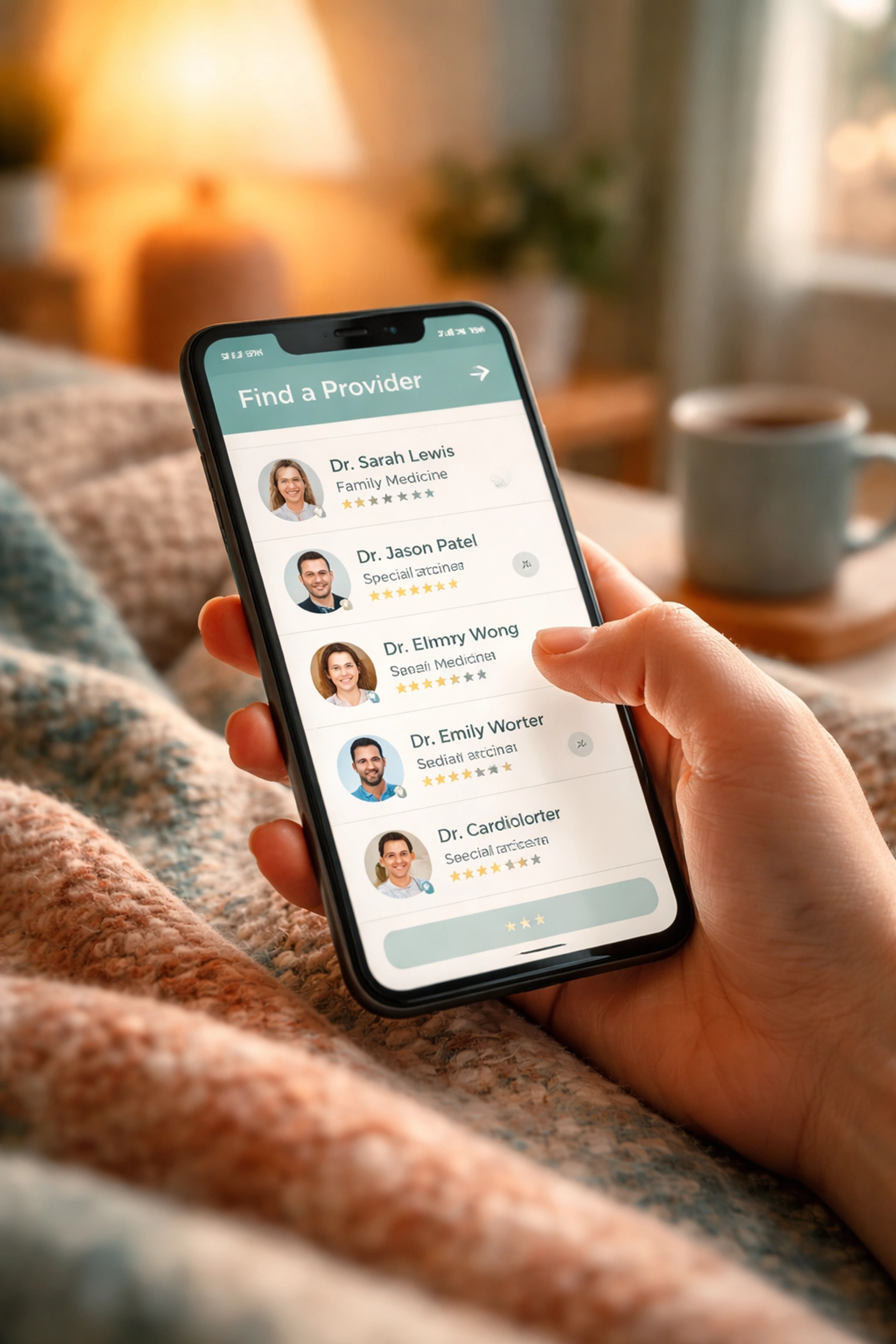
Yes, dealing with insurance is a headache. But many insurance providers now have directories that allow you to filter for providers experienced in transgender care. It's worth a phone call to your insurance company to ask specifically about coverage for gender-affirming services in your plan.
4. Ask the Right Questions
Before booking an appointment, don't be afraid to call ahead and ask some screening questions. A few good ones:
- "Do you have experience providing care for transgender patients?"
- "Do you offer hormone therapy? What model do you use?"
- "Is your staff trained in using correct names and pronouns?"
- "What gender-affirming services do you offer?"
How they respond will tell you a lot. Confident, clear answers? Good sign. Hesitation, confusion, or defensiveness? Maybe keep looking.
Understanding the Informed Consent Model
You might hear the term "informed consent" when researching HRT clinics near you. Here's what that means:
The informed consent model allows adults to access hormone therapy after being fully informed about the effects, risks, and benefits: without requiring letters from therapists or lengthy evaluation periods. It treats you as the expert on your own gender identity.
Not every provider uses this model, and that's okay. Some people actually prefer a more gradual approach with built-in mental health support. But if you know what you want and you're ready, finding an informed consent clinic can streamline the process significantly.
Green Flags to Look For
When you're evaluating a potential provider, here are some positive signs:
✅ They ask for your pronouns : and use them consistently
✅ Their intake forms are inclusive : with options beyond just "male" and "female"
✅ Staff uses your correct name : even if it's different from your legal name
✅ They listen more than they lecture : your care should be collaborative
✅ They're upfront about what they can and can't provide : no one can do everything, and honesty is key
✅ They have visible signs of inclusivity : pride flags, inclusive posters, or specific mention of LGBTQ+ patients on their website
Red Flags to Watch Out For
On the flip side, trust your gut if you notice:
🚩 Providers who repeatedly misgender you or "forget" your pronouns
🚩 Gatekeeping behaviors (requiring you to "prove" your gender identity)
🚩 Asking invasive questions unrelated to your care
🚩 Dismissing your concerns or treating you like a curiosity
🚩 Lack of knowledge about basic transgender healthcare
You don't owe anyone your patience when it comes to your health and safety. If a provider isn't working for you, it's okay to find someone else.
You Deserve Care That Affirms You
Here's the bottom line: navigating the healthcare system as a transgender or gender-diverse person can be challenging, but you don't have to do it alone. The right provider is out there: someone who will listen to you, respect your identity, and partner with you on your healthcare journey.
At Trans Friendly Shops, we're working to make finding that provider a little bit easier. Our directory connects you with businesses and services that have been recommended by community members, so you can spend less time searching and more time living your life.
Know a great provider who should be listed? Add them to our directory so others in the community can find them too.
And remember: whether you're looking for HRT clinics near you, a trans-friendly therapist, or just a doctor who uses your correct name without making it weird: you deserve healthcare that sees you for who you really are. 💜
Leave a Reply
You must be logged in to post a comment.