
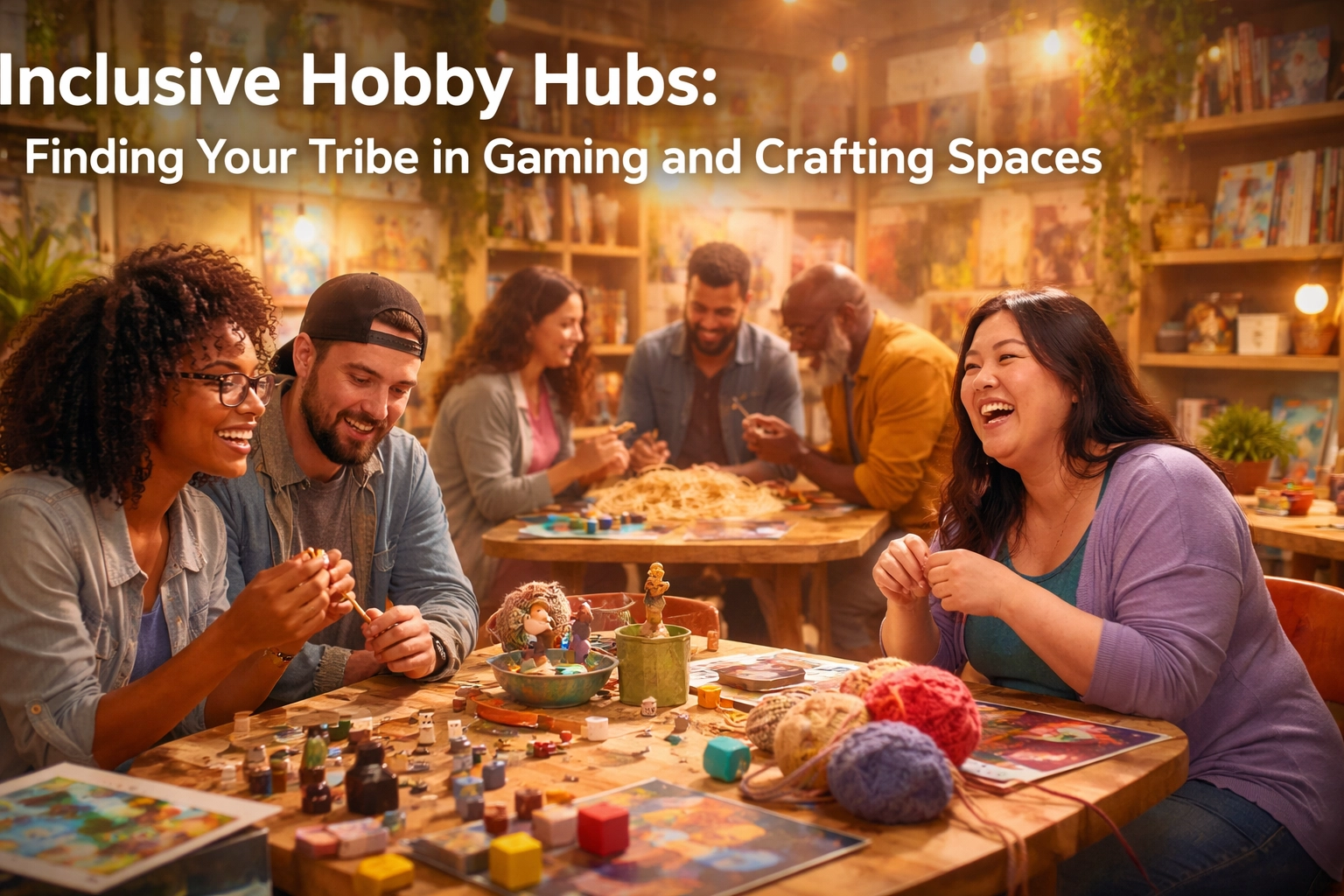
Let's be real: hobbies are supposed to be fun. They're the thing you do to escape the daily grind, meet cool people, and nerd out over the stuff that makes your heart sing. Whether you're rolling dice in a tabletop campaign, learning to crochet the world's coziest blanket, or painting miniatures with the precision of a surgeon, your hobby time should feel like a breath of fresh air.
But here's the thing, for many folks in the LGBTQ+ community, especially trans and nonbinary individuals, walking into a new hobby shop or joining a crafting circle can feel like stepping into the unknown. Will they use my correct pronouns? Will I be welcome here? Is this going to be another space where I have to shrink myself to fit in?
Spoiler alert: You deserve better than that. And the good news? Truly inclusive hobby hubs exist, and we're here to help you find them! 🎲✨
Why Inclusive Spaces Matter (Like, Really Matter)
Hobbies aren't just about the activity itself: they're about connection. They're about finding your people, sharing laughs over a failed soufflé or a spectacularly botched D&D roll, and building friendships that extend beyond the craft table.
For transgender and nonbinary folks, finding spaces that actively promote safety and inclusion isn't just a "nice to have": it's essential. When you're constantly navigating a world that questions your existence, having a hobby space where you can just be yourself is genuinely healing.
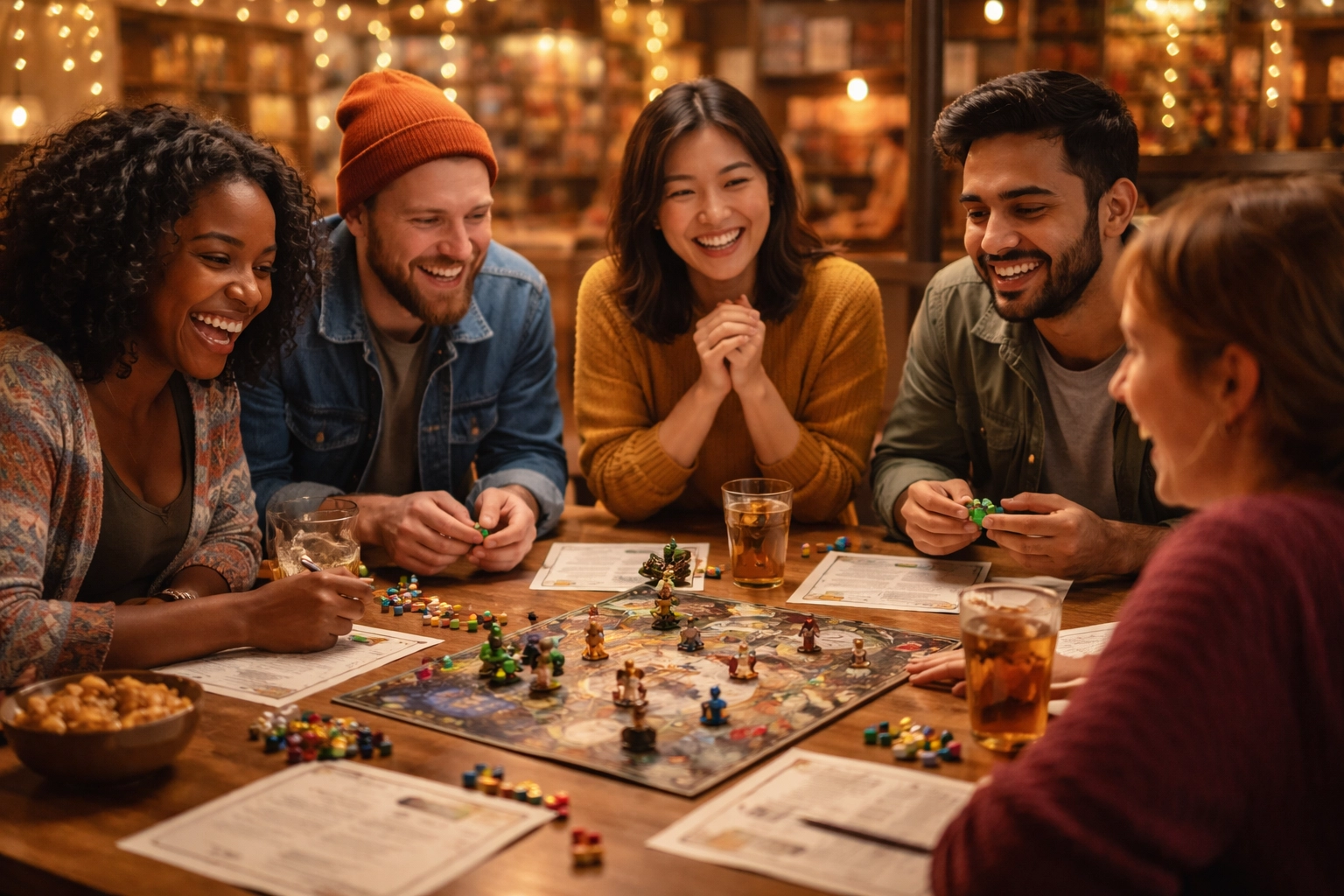
Research shows that inclusive spaces require intentional effort. Communities that don't actively work toward inclusion may inadvertently maintain barriers that exclude marginalized folks. That's why it matters so much to seek out transgender friendly businesses and hobby hubs that walk the walk, not just talk the talk.
The right space will let you focus on what actually matters: mastering that complicated knitting pattern, strategizing your next move in a board game, or finally painting that miniature army you've been putting off for months.
Signs You've Found a Truly Inclusive Hobby Hub
So how do you know when you've struck gold? Here are some green flags to look for when scoping out a new gaming store, craft shop, or hobby club:
1. Visible Signs of Welcome
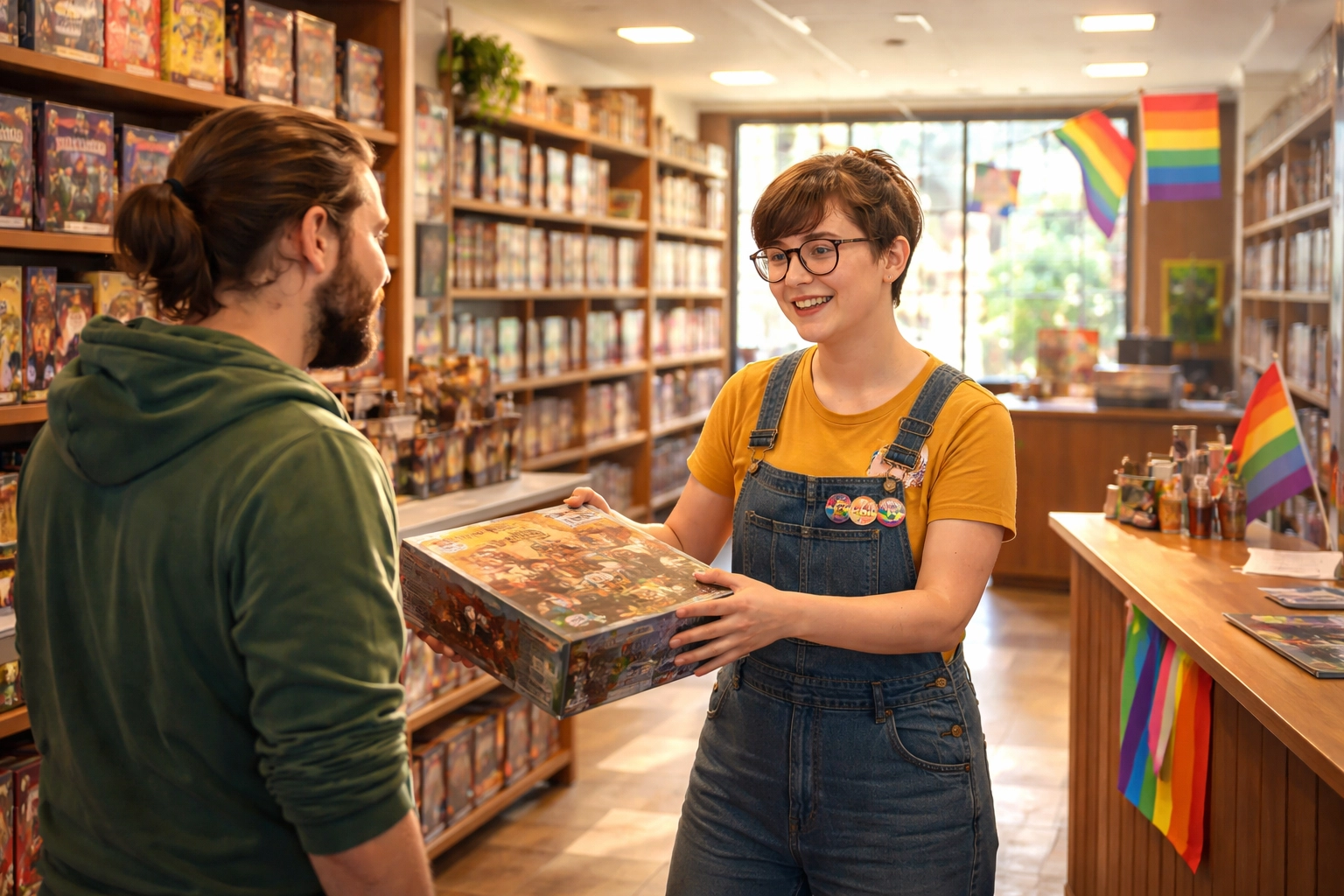
Look around when you walk in. Do you see Pride flags, pronoun pins on staff members, or inclusive signage? These visual cues aren't just decoration: they're signals that the business has made a conscious choice to create a welcoming environment.
2. A Clear Code of Conduct
The best hobby spaces have explicit policies about respectful behavior. Whether it's posted on the wall, printed on event flyers, or featured on their website, a solid code of conduct tells you that the owners take inclusion seriously and won't tolerate harassment.
3. Diverse Participation
Take a peek at who's actually hanging out there. Is the crowd diverse in terms of gender presentation, age, and background? Inclusive spaces tend to attract inclusive crowds. If everyone looks exactly the same, that might be a hint about the vibe.
4. Staff Who Get It
Pay attention to how staff interact with customers. Do they ask for pronouns? Do they correct themselves quickly if they make a mistake? Are they friendly and approachable to everyone, not just the regulars? Staff behavior often reflects the values of the business itself.
5. Accessible and Comfortable Layout
Inclusive spaces think about accessibility: not just physical accessibility like ramps and wide aisles, but also creating low-pressure environments where newcomers feel comfortable. Bonus points for shops that offer varied seating options and quiet corners for those who need a break from the bustle.
Types of Hobby Spaces to Explore
Ready to find your tribe? Here are some types of hobby hubs where you might discover your next favorite community:
Local Game Stores (LGS)
These are the classic hangout spots for tabletop gaming, trading card games, and board game nights. Many local game stores host regular events like Magic: The Gathering tournaments, Dungeons & Dragons campaigns, and open board game nights. The best ones actively cultivate inclusive communities and have zero tolerance for toxic behavior.
Pro tip: Check their social media or website before visiting. Stores that prioritize inclusion often promote it loudly and proudly online.
Craft and Yarn Shops
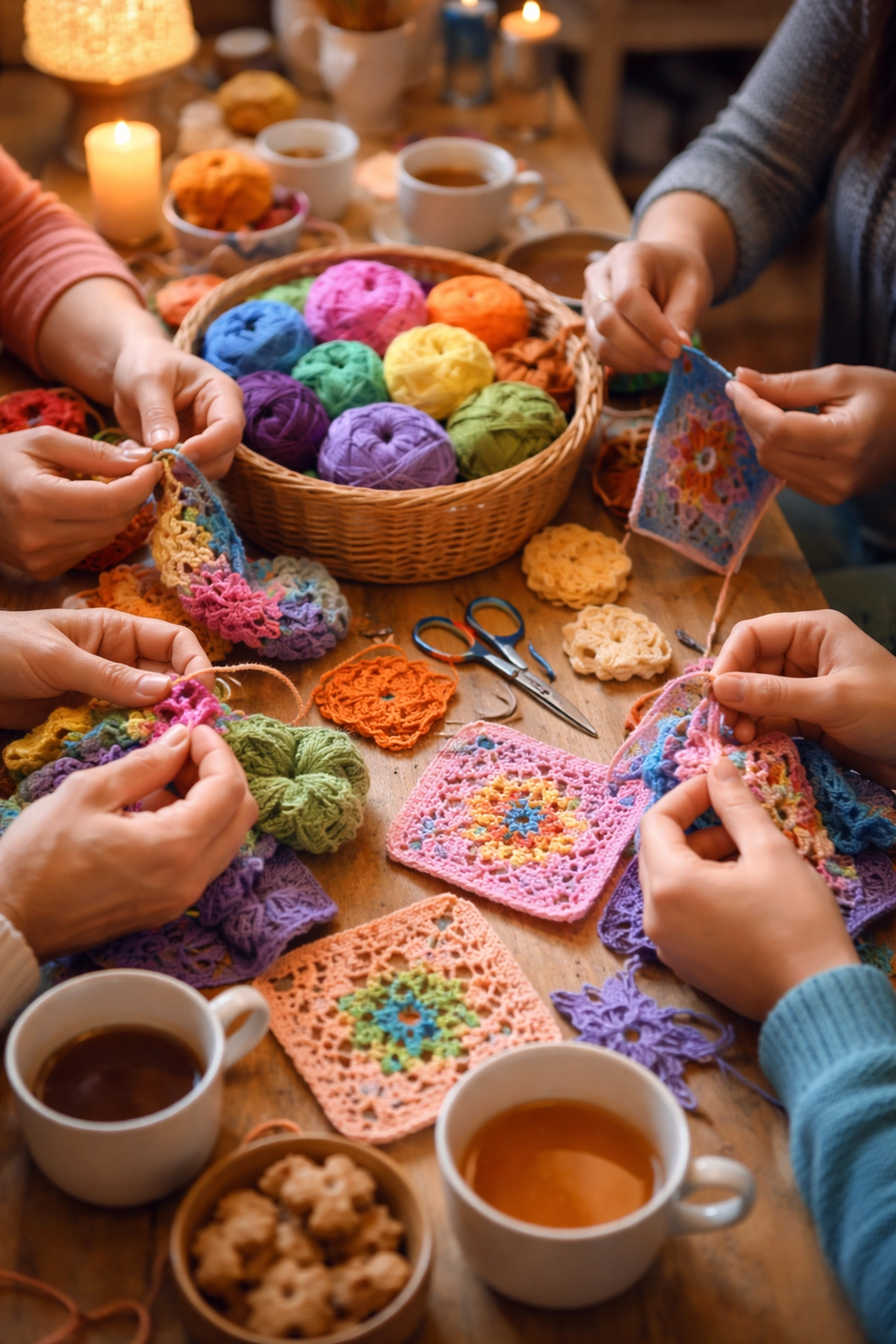
Knitting circles, crochet clubs, and fiber arts communities can be incredibly warm and welcoming. Many craft shops host regular stitch-and-chat sessions where you can learn new techniques, share projects, and make friends over a cup of tea. Look for shops that explicitly welcome all skill levels and identities.
Makerspaces and DIY Studios
If you're into woodworking, electronics, 3D printing, or other hands-on crafts, makerspaces are fantastic community hubs. These shared workshops often attract creative, open-minded folks and prioritize collaborative learning. Many makerspaces have formal inclusion policies and offer classes for beginners.

Art Studios and Painting Groups
Whether you're into watercolors, acrylics, or miniature painting, joining a local art group can be a great way to connect with fellow creatives. Look for studios that host paint nights, open studio sessions, or themed workshops. The vibe tends to be relaxed and encouraging: perfect for trying something new.
Online Communities with Local Meetups
Sometimes the best way to find your people is to start online. Many Discord servers, Facebook groups, and Reddit communities for specific hobbies organize local meetups. This can be a lower-pressure way to vet a group before showing up in person.
Red Flags to Watch Out For
Unfortunately, not every hobby space is going to be a winner. Here are some warning signs that a space might not be the inclusive haven you're looking for:
- No visible inclusion efforts: If there's zero indication that the space values diversity, proceed with caution.
- Dismissive responses to concerns: If you mention inclusion and get an eye roll or a "we welcome everyone" without any specifics, that's telling.
- Tolerating bad behavior: If you witness harassment or microaggressions and staff don't intervene, that's a major red flag.
- Cliquey atmosphere: If regulars seem unwelcoming to newcomers or the space feels like an exclusive club, it might not be the right fit.
Trust your gut. If something feels off, it probably is: and you deserve a space that feels genuinely safe.
Building Your Own Community
What if you can't find an inclusive hobby hub in your area? You might just need to create one yourself! It's easier than you think:
- Start small: Invite a few friends over for a craft night or game session.
- Use social media: Post in local LGBTQ+ groups to see if others share your interests.
- Partner with inclusive businesses: Some cafes, bookstores, or community centers might be happy to host a regular meetup.
- Set the tone early: Establish clear expectations about respect and inclusion from day one.
Some of the best communities started with just a handful of people who wanted a space where they could be themselves. Yours could be next!
Let Trans Friendly Shops Help You Find Your Hub
Finding transgender friendly businesses and inclusive hobby spaces doesn't have to be a guessing game. That's exactly why Trans Friendly Shops exists! Our inclusive business directory connects you with businesses that have been vetted by the community: places where you can shop, play, create, and connect without worry.
Whether you're looking for a retail shop that carries your favorite crafting supplies or a service provider for your next creative project, our directory is here to help you find spaces that truly welcome you.
Go Find Your People!
Your hobbies should be a source of joy, creativity, and connection: not stress and anxiety. Inclusive hobby hubs are out there, filled with people who will celebrate your epic wins, commiserate over your crafting disasters, and welcome you exactly as you are.
So grab your dice, your yarn, your paintbrushes, or whatever tools fuel your passion, and go find your tribe. They're waiting for you. 🌈🧶🎨
Leave a Reply
You must be logged in to post a comment.