
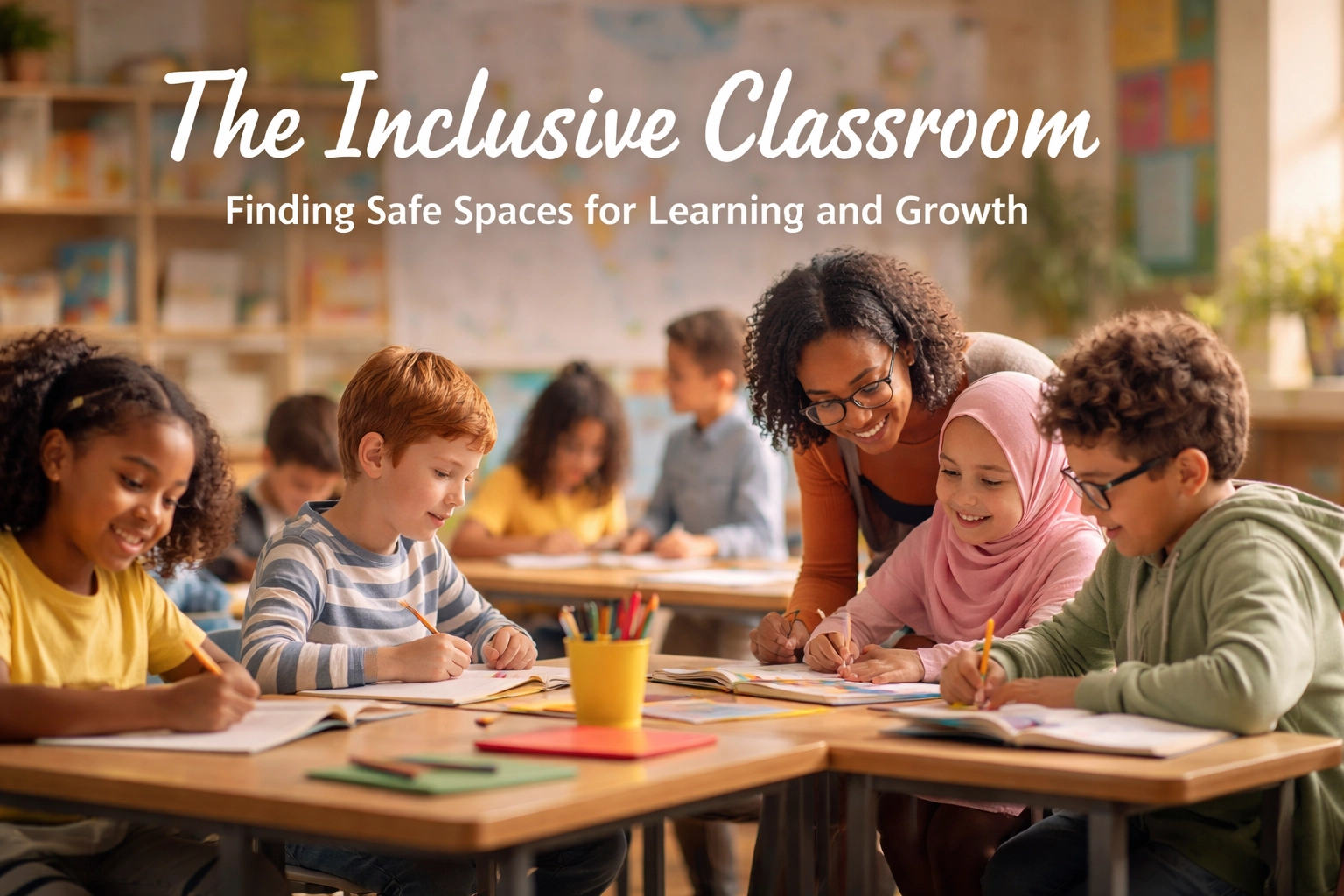
Learning never stops. Whether you're picking up a new language, finally taking that pottery class, getting your GED, or working with a tutor to level up your career skills, education is a lifelong journey. But for transgender and non-binary folks, walking into a new classroom or signing up for a workshop can come with a whole lot of anxiety that cisgender people rarely have to think about.
Will they use my correct name? What if I have to show ID that doesn't match who I am? Will I be the only trans person there? Is this space actually safe, or just "tolerant"?
These are real questions, and they deserve real answers. The good news? Truly inclusive learning environments do exist, and knowing what to look for can make all the difference in your educational journey.
Why Inclusive Learning Spaces Matter
Education opens doors. It builds confidence, creates community, and expands what's possible in our lives. But none of that happens if you're spending all your mental energy just trying to survive the space you're in.
Studies consistently show that students learn best when they feel safe, seen, and supported. When you're worried about being misgendered, deadnamed, or facing discrimination, your brain literally can't focus on absorbing new information the same way. It's in survival mode, not learning mode.

That's why finding transgender friendly businesses in the education space isn't just a nice-to-have, it's essential. When a learning environment genuinely embraces inclusion, you can actually show up as yourself and focus on what you came there to do: learn and grow.
What Does an Inclusive Classroom Actually Look Like?
Let's break down what separates a truly affirming educational space from one that's just slapping a rainbow flag on their website.
Respect for Names and Pronouns
This one's non-negotiable. An inclusive classroom:
- Asks for your name and pronouns upfront (not just what's on your legal documents)
- Uses your correct name on all materials, name tags, and class rosters
- Creates a culture where sharing pronouns is normalized for everyone
- Corrects mistakes quickly and without making it a big dramatic moment
If an instructor or organization can't get this basic thing right, that tells you everything you need to know about how much thought they've put into inclusion.
Flexible and Accessible Policies
Truly inclusive spaces think about the practical stuff too:
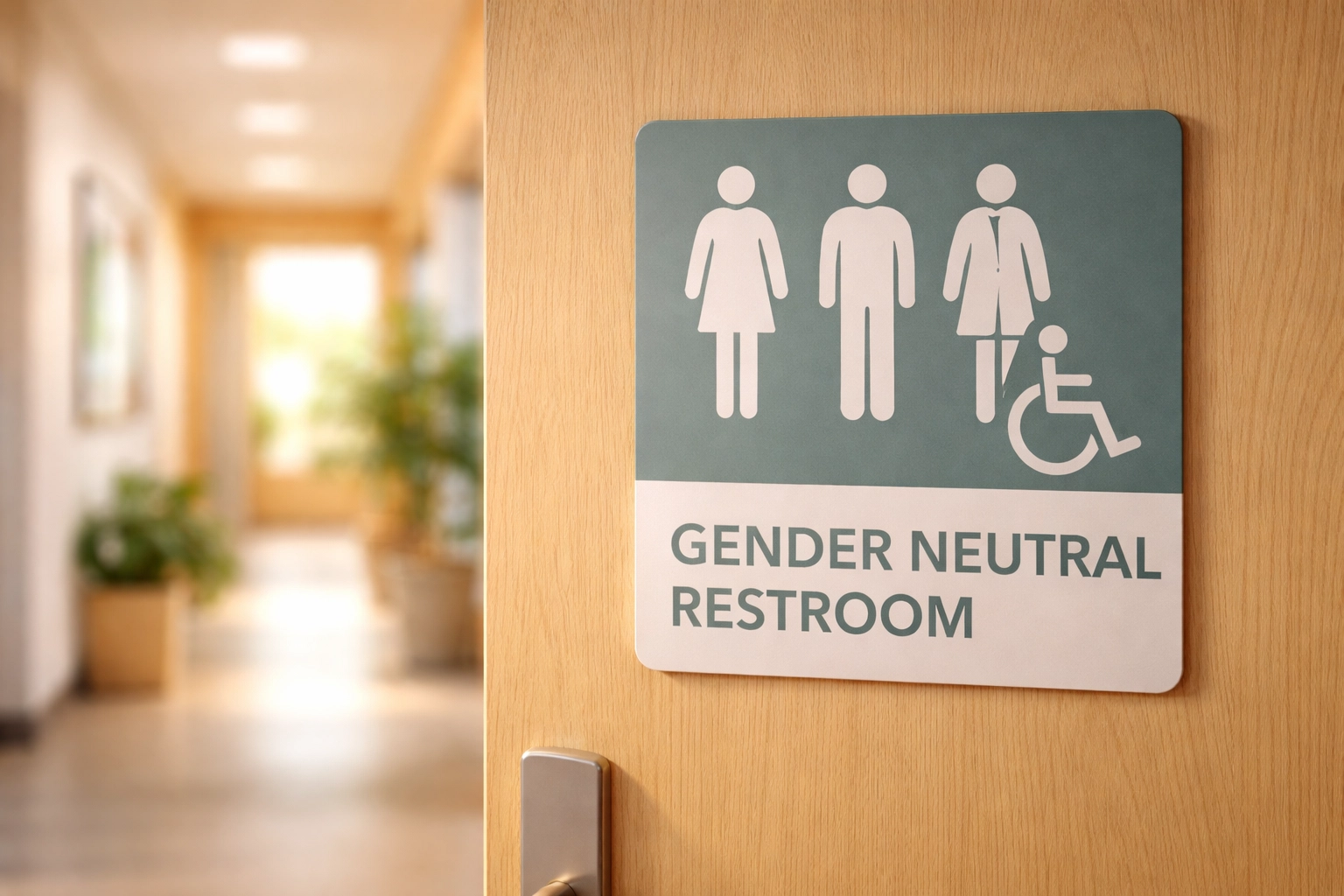
- Bathroom access: Are there gender-neutral restrooms available? Can you use the bathroom that matches your gender identity without hassle?
- Dress codes: If there's a dress code or uniform, is it gender-neutral? Can you wear what feels right for you?
- Documentation: Do they require legal ID that might not match your current name or gender marker? If so, are there workarounds?
- Participation options: Can you engage in ways that feel comfortable, whether that's speaking up in group discussions or contributing through written formats?
Curriculum and Content That Reflects Diversity
Pay attention to what's being taught and how. An inclusive instructor:
- Uses examples and case studies that include LGBTQ+ people and experiences
- Avoids unnecessarily gendered language ("Hey guys" for everyone, binary-only examples)
- Acknowledges diverse perspectives and lived experiences
- Doesn't put you on the spot to be the "spokesperson" for all trans people
A Culture of Respect Among Students
The instructor sets the tone, but fellow students matter too. Good learning environments:
- Have clear community guidelines about respectful behavior
- Address microaggressions and discrimination when they happen
- Foster peer connections and collaborative learning
- Make it clear that bigotry isn't welcome
Types of Learning Opportunities to Explore
Lifelong learning looks different for everyone. Here are some spaces where you might be searching for inclusive options:
Adult Education and GED Programs
Going back to school as an adult is brave. Finding a program where you won't have to fight for basic respect makes it possible to actually succeed. Look for community colleges, adult learning centers, and nonprofit programs that explicitly state their commitment to LGBTQ+ inclusion.
Tutoring Services
One-on-one learning can be incredibly effective, but it also means you need to feel completely comfortable with your tutor. Whether you're working on math, test prep, a new language, or professional skills, finding a tutor who affirms your identity creates space for real growth.
Workshops and Skill-Building Classes
Cooking classes, coding bootcamps, art workshops, professional development seminars, these shorter-term learning experiences are everywhere. The challenge is figuring out which ones will actually be welcoming spaces.

Trade Schools and Vocational Training
Learning a trade is a fantastic path to a stable career. Electricians, plumbers, cosmetologists, medical technicians, these skilled professionals are always in demand. But trade programs can sometimes feel like old-school spaces. Seeking out lgbtq friendly businesses in vocational education means you can build your skills without building up your defenses.
Online Learning Platforms
Virtual classrooms have their own considerations. While you might have more control over your environment, you're still interacting with instructors and sometimes fellow students. Look for platforms with clear anti-discrimination policies and options to display your chosen name.
How to Find Trans-Friendly Learning Spaces
Okay, so you know what to look for. But how do you actually find these affirming spaces?
Ask the Right Questions
Before signing up, reach out and ask directly:
- "What's your policy on using students' chosen names and pronouns?"
- "Are there gender-neutral restrooms available?"
- "How do you handle situations where a student experiences discrimination?"
- "Do you have experience working with transgender students?"
The way they respond tells you a lot. Enthusiasm and clear answers? Good sign. Confusion, defensiveness, or "we treat everyone the same"? Red flag.
Look for Visible Signs of Inclusion
Check their website and materials for:
- Explicit non-discrimination statements that include gender identity
- Use of inclusive language throughout
- Diverse representation in photos and testimonials
- Resources or links related to LGBTQ+ support
Use an Inclusive Business Directory
This is exactly why resources like Trans Friendly Shops exist. Instead of doing all the detective work yourself, you can search for educational services that have already been identified as welcoming to our community.
An inclusive business directory takes the guesswork out of it. You can search for listings in your area and find tutors, workshops, and educational programs that other trans folks have vetted and recommended.
Tap Into Community Knowledge
Your local LGBTQ+ community is a goldmine of information. Ask around in:
- Local trans support groups
- LGBTQ+ community centers
- Online forums and social media groups
- Pride organizations
Word of mouth from people who've been there is invaluable.
Advocating for Yourself (When You Have the Energy)
Sometimes you'll end up in a space that's not quite there yet on inclusion. If you have the bandwidth: and only if you do: here are some ways to advocate:
- Educate gently: Some instructors genuinely want to do better but don't know how. A quick conversation can make a difference.
- Provide resources: Point them toward guides on inclusive teaching practices.
- Give feedback: Many programs have feedback forms. Use them.
- Connect them to directories: Suggest they add their listing to transgender friendly businesses directories once they've done the work.
But here's the thing: it's not your job to educate everyone. Sometimes the best choice is to find a different space that already gets it.

You Deserve to Learn in Peace
Education should expand your world, not shrink it. You deserve to walk into a classroom, workshop, or tutoring session and focus on learning: not on protecting yourself.
The right learning environment is out there. It might take some searching, some asking around, and some trusting your gut when something feels off. But when you find it? That's when the magic happens. That's when you can actually grow.
So go ahead: sign up for that class, hire that tutor, explore that new skill. Your education matters, and so does your safety. You can absolutely have both.
Ready to find inclusive educational resources near you? Start your search and discover lgbtq friendly businesses that are ready to support your learning journey.
Leave a Reply
You must be logged in to post a comment.